


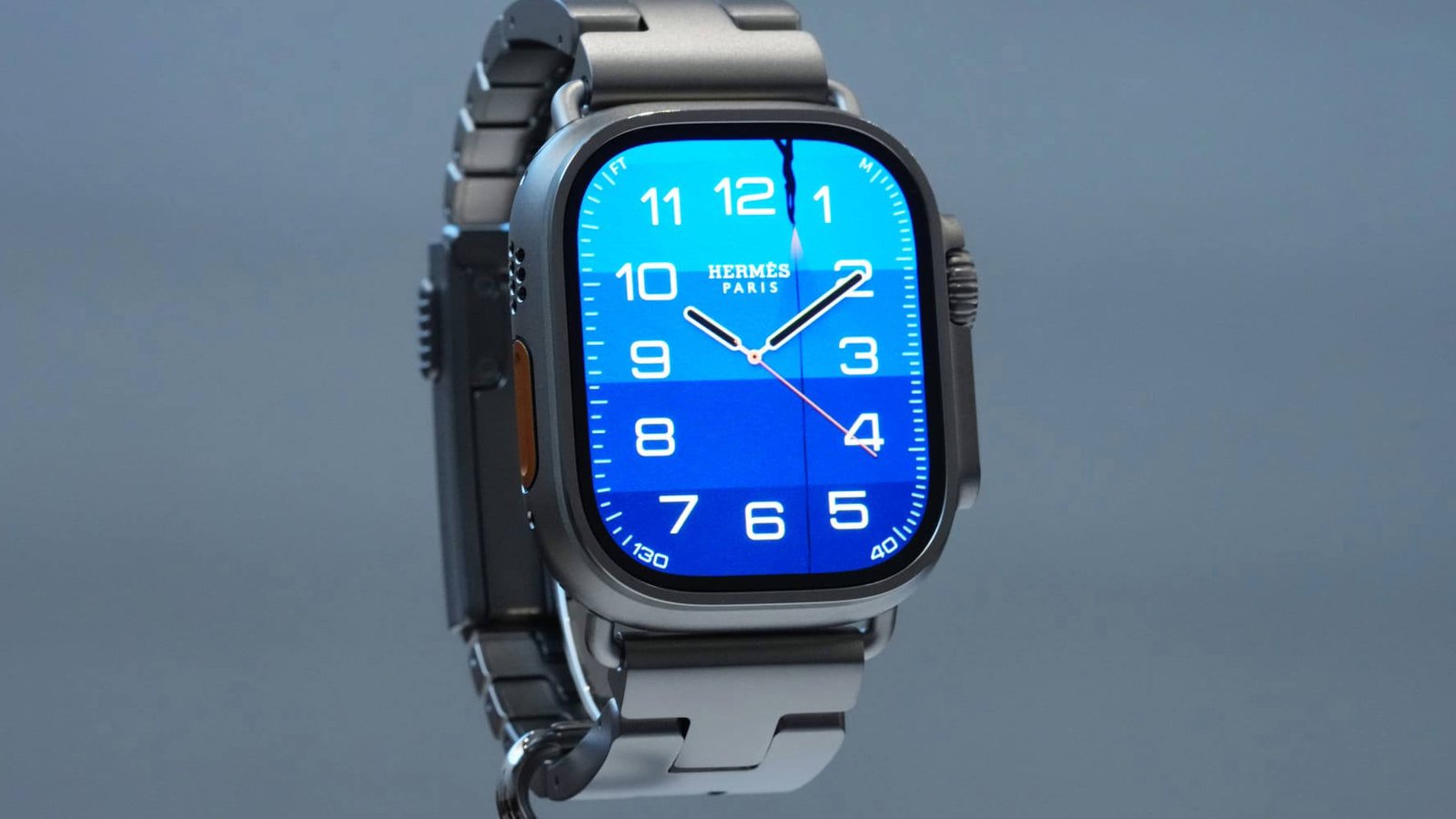
Products introduced this autumn, including Apple’s Apple Watch Series 12 with its ambient Siri Recap feature and Amazon’s Bee Frontier wearable, are designed to continuously listen, interpret speech, and generate text summaries of daily conversations. Unlike traditional voice assistants that rely on a wake word, these devices operate ambiently. While makers emphasize that audio files are not stored or sent to cloud servers, legal experts warn that the continuous processing itself could trigger strict state interception statutes.
The Legal Gray Area of Ambient AI Processing
Many state wiretap and eavesdropping laws were written decades ago to target covert audio recordings or signal interception. However, legal scholars and privacy attorneys note that statutes in states like Massachusetts and New Hampshire define interception and communication contents broadly enough to encompass equipment that receives, amplifies, or aurally acquires the substance of a conversation.
According to Colin Zick, a privacy and data security attorney at Foley Hoag, a device that continuously receives speech and produces a written summary could potentially violate broad state definitions even if no underlying audio file is ever saved. Daniel Pi, an associate professor at the University of New Hampshire Franklin Pierce School of Law, explained to CNBC that New Hampshire’s statute covers the “aural or other acquisition” of communication contents, creating an unusual situation where a consumer operating a mainstream device feature during a private conversation could technically run afoul of state law.
Shifting Liability and the Bystander Dilemma
Because users deliberately opt in and activate these software features, legal experts suggest that liability may shift away from tech corporations and fall directly onto the individual wearing the device. A non-wearer who never agreed to terms or consented to having their dialogue summarized can be swept into continuous surveillance without owning the technology.
Michael Stokes, a former CIA officer and senior vendor executive, warned that ambient consumer technology contributes to a broader landscape of ubiquitous technical surveillance. As automated intelligence dramatically lowers the cost of extracting meaning from everyday interactions, individuals face unprecedented exposure. In response to these rising concerns, startups like Deveillance are developing counter-technology such as the Spectre I, a hockey puck-shaped gadget designed to scan for nearby devices and emit adversarial signals that scramble speech before microphones can process it.