


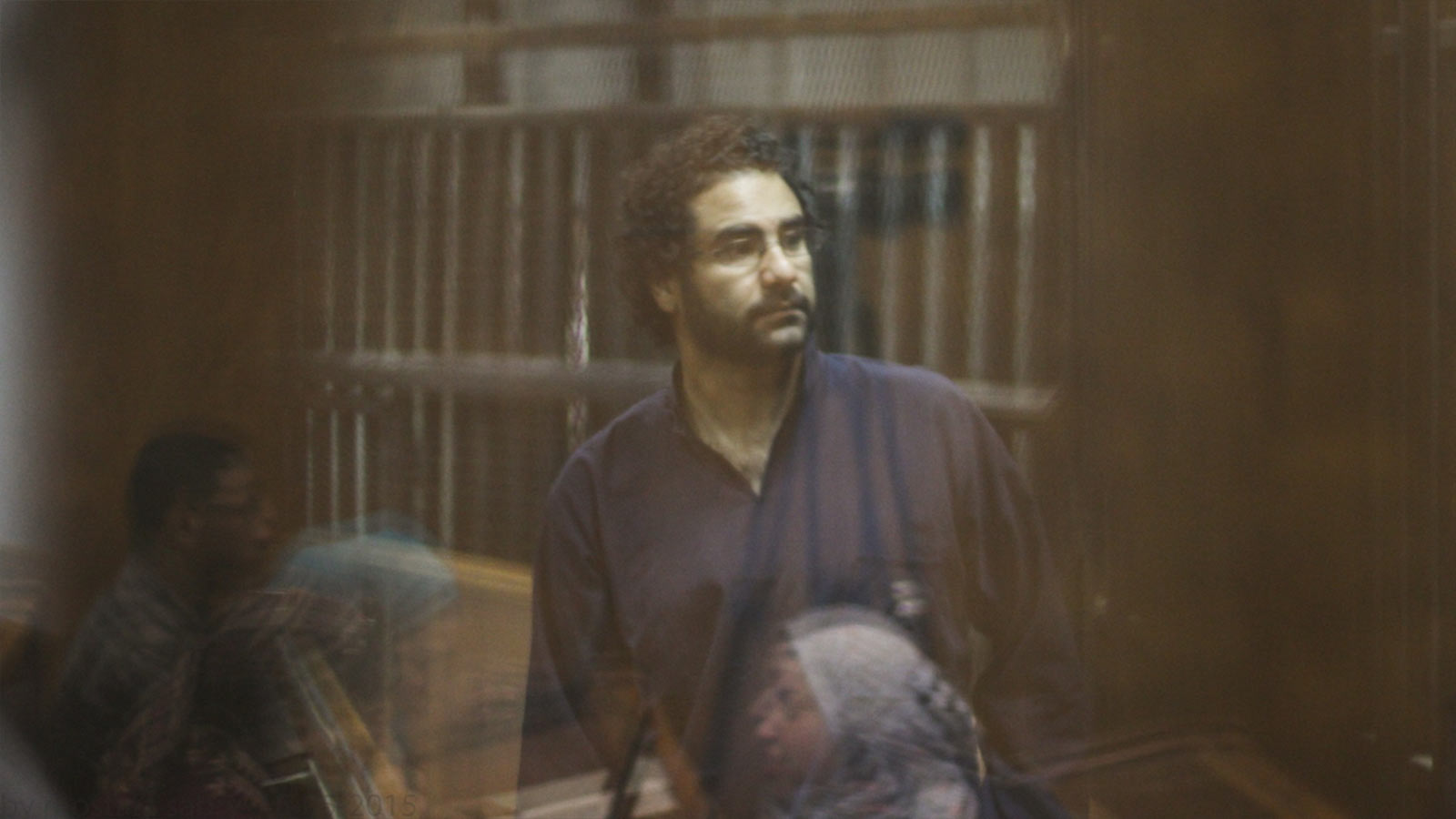
When Alaa Abd El Fattah stepped onto British soil last week, the moment was meant to be triumphant—a long-awaited reunion with his son, a homecoming after years of detention in Egypt. Yet almost immediately, the narrative shifted. Social media posts from as far back as 2010 resurfaced, igniting an intense debate about the boundaries of activism, freedom of expression, and the responsibilities that come with citizenship.
El Fattah, now 43, is no stranger to controversy. A prominent figure in Egypt’s 2011 uprising, he became a symbol of the pro-democracy movement, spending more than a decade behind bars for his activism. His latest release in September 2025 came after sustained lobbying by British officials and international human rights groups, who argued his imprisonment breached international law (The National, BBC).
But the story took a sharp turn as old tweets resurfaced—some calling for violence against Zionists, white people, and police; others using derogatory language towards British people. The content, dating back to a period marked by regional turmoil and police brutality, was condemned across the UK’s political spectrum. Conservative leader Kemi Badenoch described the remarks as “disgusting and abhorrent,” while Reform UK’s Nigel Farage called for immediate action to strip El Fattah’s citizenship.
“It’s painful to see some people who supported calls for my release now feel regret for doing so,” El Fattah said in a statement. He insisted those supporters “did the right thing,” but acknowledged the shock and hurt caused by his words. “Looking back, I see the writings of a much younger person, deeply enmeshed in antagonistic online cultures,” he reflected, describing the posts as “expressions of anger and frustrations in a time of regional crises.”
El Fattah apologised unequivocally, explaining that some tweets were part of online insult battles and not meant for wider public consumption. “I should have known better,” he admitted. The activist also challenged interpretations of several posts, claiming some were deliberately misconstrued. For example, he said a tweet cited to allege homophobia was actually mocking homophobia, and another—interpreted as Holocaust denial—was, in his view, a clear rejection of such beliefs (The Guardian).
Despite his apology, the backlash has been fierce. Shadow home secretary Chris Philp branded El Fattah a “despicable scumbag,” stating he would revoke the activist’s citizenship if he held the power. Philp argued, “There is no excuse for what he wrote,” and dismissed the apology as a response to public exposure rather than genuine remorse (BBC).
These calls have thrust the UK’s citizenship laws into the spotlight. El Fattah was granted British citizenship in December 2021, reportedly through his UK-born mother, under rules permitting maternal transmission of citizenship. Legal experts and politicians now debate whether citizenship can be stripped, given the UK’s obligations under international law to avoid statelessness. Dame Emily Thornberry, chair of the Commons foreign affairs committee, pointedly reminded critics, “He is a British citizen. He was entitled to British citizenship, he claimed it so he is a British citizen.”
Beyond legal arguments, the controversy highlights a deeper issue: the tension between personal growth and public accountability. El Fattah claims his views have changed, stating, “Today, this middle-aged father firmly believes all our fates are entwined and we can only achieve prosperous and safe lives for our children together.” He points to his record of defending religious minorities, LGBTQ rights, and victims of police brutality—often at great personal risk—as evidence of his commitment to human rights.
But many are not convinced. The Board of Deputies of British Jews called his past rhetoric “threatening to British Jews and the wider public,” arguing that the cross-party campaign for his release reflected a “broken system” lacking proper due diligence. Farage, meanwhile, described the government’s warm welcome as an “extraordinary error of judgement.”
In this maelstrom, the case of Alaa Abd El Fattah has become a microcosm for larger questions facing societies everywhere. How should we judge the past words of activists? Where do we draw the line between youthful indiscretion and enduring prejudice? And, crucially, what does genuine redemption look like in an age where digital footprints never fade?
El Fattah’s journey—from celebrated dissident to embattled citizen—offers no easy answers. For some, his apology is a step towards reconciliation; for others, it’s too little, too late. The debate will likely continue, not just about one man’s fate, but about the evolving social contract between citizens and the state.
As the UK wrestles with this complex issue, the facts reveal a society grappling with its own values—balancing forgiveness against accountability, and activism against security. The El Fattah case is a reminder that every act of public welcome should be weighed with both compassion and scrutiny.