


Incident at Reagan National
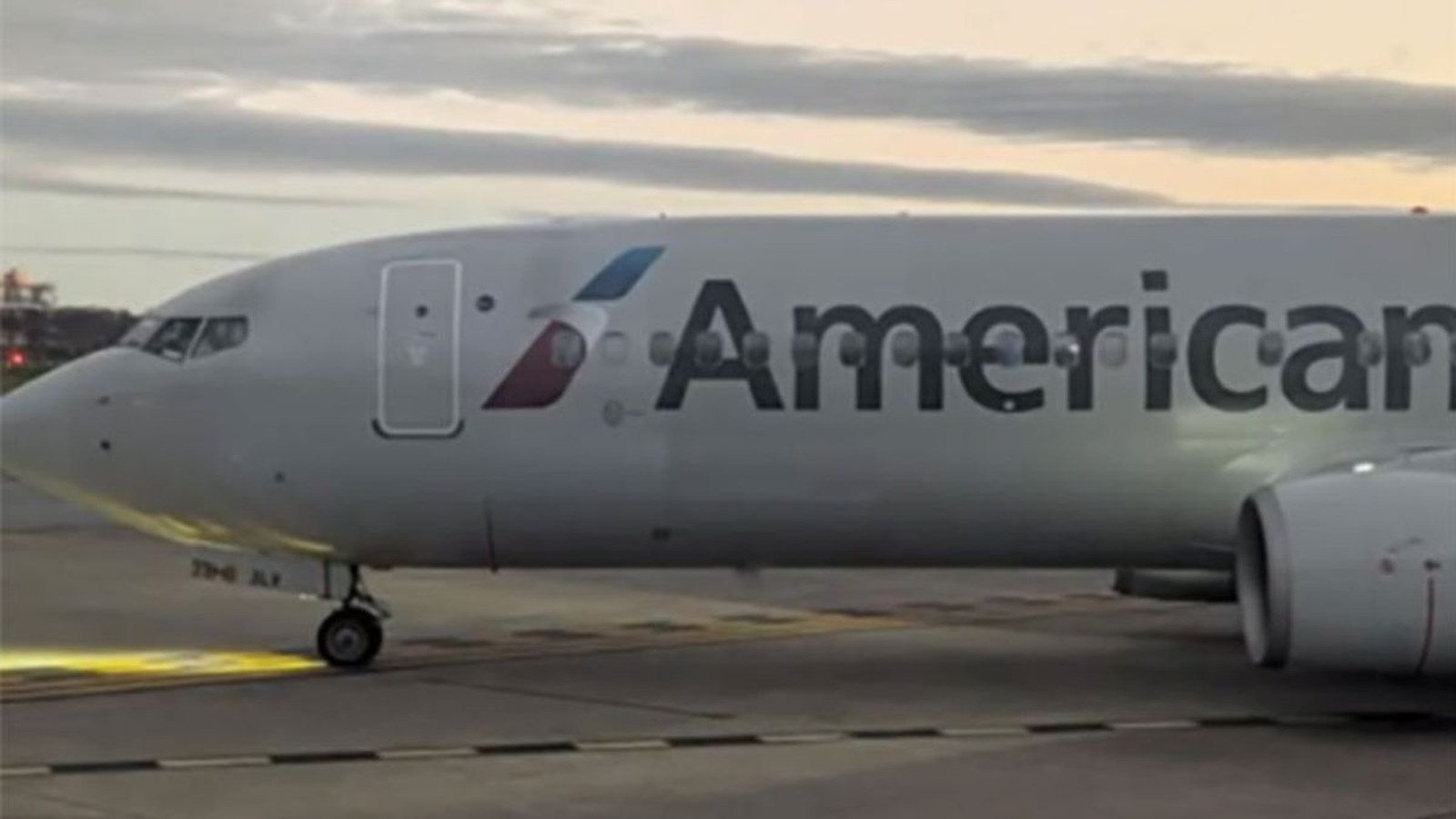
Two American Airlines aircraft were involved in a ground collision on a taxiway at Ronald Reagan Washington National Airport (DCA) on the evening of Friday, November 27, 2026. The incident, which occurred at approximately 5:10 p.m. EST, took place as both jets were taxiing for departure during the high-traffic Thanksgiving holiday weekend. The Federal Aviation Administration (FAA) confirmed that the two aircraft made contact near Runway 19, an area serving as a critical artery for the airport’s operations during peak travel windows. As reported by mirror.co.uk.
According to air traffic control audio captured by ATC.com, the pilot of American Airlines Flight 638 alerted ground control to the collision, stating that the aircraft had drifted slightly over the hold-short line. The pilot reported that the plane had “swapped paint” with American Airlines Flight 2152, which was following in the departure sequence toward Chicago. The impact resulted in visible damage, specifically the shearing of a winglet from one of the aircraft. Debris from the shattered component was recovered by ground operations crews on the tarmac. Passengers on board described a significant jolt upon impact, with one passenger noting that the entire aircraft rocked from the force, followed by immediate confusion and chatter among those peering through the cabin windows to assess the situation.
Logistics and Operational Consequences
Although no injuries were reported, the logistical fallout was immediate. Both aircraft were deemed non-airworthy following the collision and were pulled from the active schedule for extensive inspections by the airline’s maintenance teams. The Metropolitan Washington Airports Authority Fire & Rescue Department was dispatched to the scene to conduct safety assessments as the planes taxied back to their gates. Passengers affected by the grounding were rebooked on later flights, though the airline stated there was no widespread disruption to other traffic at the facility. As a direct precautionary measure, the control tower instructed other incoming aircraft to abort landings or adjust their approach sequences to prevent further congestion in the immediate vicinity of the taxiway.
Safety Scrutiny and Historical Context
This event adds to a growing list of safety-related incidents at Reagan National, a facility that occupies a uniquely challenging geographic position. As one of the busiest hubs in the United States, DCA faces a constant struggle to balance its high volume of commercial traffic with the operational constraints of its limited taxiway and runway infrastructure. The incident occurred during the Thanksgiving holiday period, a time when an estimated six million Americans were projected to engage in domestic air travel, placing unprecedented strain on controllers and flight crews alike.
The safety record at DCA has been under persistent, intense scrutiny following a series of high-profile events. On January 29, 2025, a tragic collision between an American Airlines regional jet and a U.S. Army Black Hawk helicopter resulted in 67 fatalities. A subsequent investigation by the National Transportation Safety Board (NTSB) identified deep-seated systemic failures, citing the FAA’s prior authorization of helicopter operations in areas near commercial flight paths without appropriate buffers. Evidence reviewed post-crash revealed thousands of instances where separation standards were compromised, a finding that prompted a overhaul of the airport’s air traffic control management team, the implementation of stricter helicopter flight restrictions, and reductions in peak arrival rates.
Furthermore, the facility has experienced repeated incidents of taxiway contact in the interim. On March 28, 2025, a Delta Air Lines flight was forced to abandon its climb after a cockpit collision warning triggered due to the proximity of U.S. Air Force jets near Arlington National Cemetery. Shortly thereafter, on April 10, 2025, two American Eagle flights engaged in a wingtip strike on a taxiway. That incident carried notable political weight, as several high-ranking members of Congress—including Representatives Nick LaLota, Grace Meng, Josh Gottheimer, and Ritchie Torres—were aboard the flights. Following that event, lawmakers called for increased investment in aviation safety resources, emphasizing that the airport’s layout was becoming increasingly incompatible with the density of its current traffic.
Path Forward and Investigations
The FAA has launched a formal investigation into the November 27 collision, which will likely focus on whether the hold-short protocols and visual aids provided to flight crews were sufficient given the density of the tarmac during the holiday rush. The recurrence of these taxiway strikes suggests that despite the structural and administrative changes implemented in 2025, the margin for error at Reagan National remains razor-thin. As the industry grapples with the increased demand for domestic travel, the focus shifts toward whether existing infrastructure at DCA can safely support current flight capacities. Investigations into this latest collision serve as a reminder that even minor taxiway errors, while often resulting only in property damage, underscore the persistent operational risks inherent in managing one of the most complex and congested airports in the nation.
Moving forward, the coordination between the FAA and the Metropolitan Washington Airports Authority will remain under the microscope. Stakeholders are particularly interested in whether further operational adjustments, such as increased spacing requirements between taxiing aircraft or additional ground control oversight, will be mandated in the coming months. For the traveling public, the incident underscores the vulnerability of the aviation network during peak seasonal surges, where the high pressure on personnel and equipment elevates the risk of routine operations deviating from established safety parameters.