


A Growing Humanitarian Strain
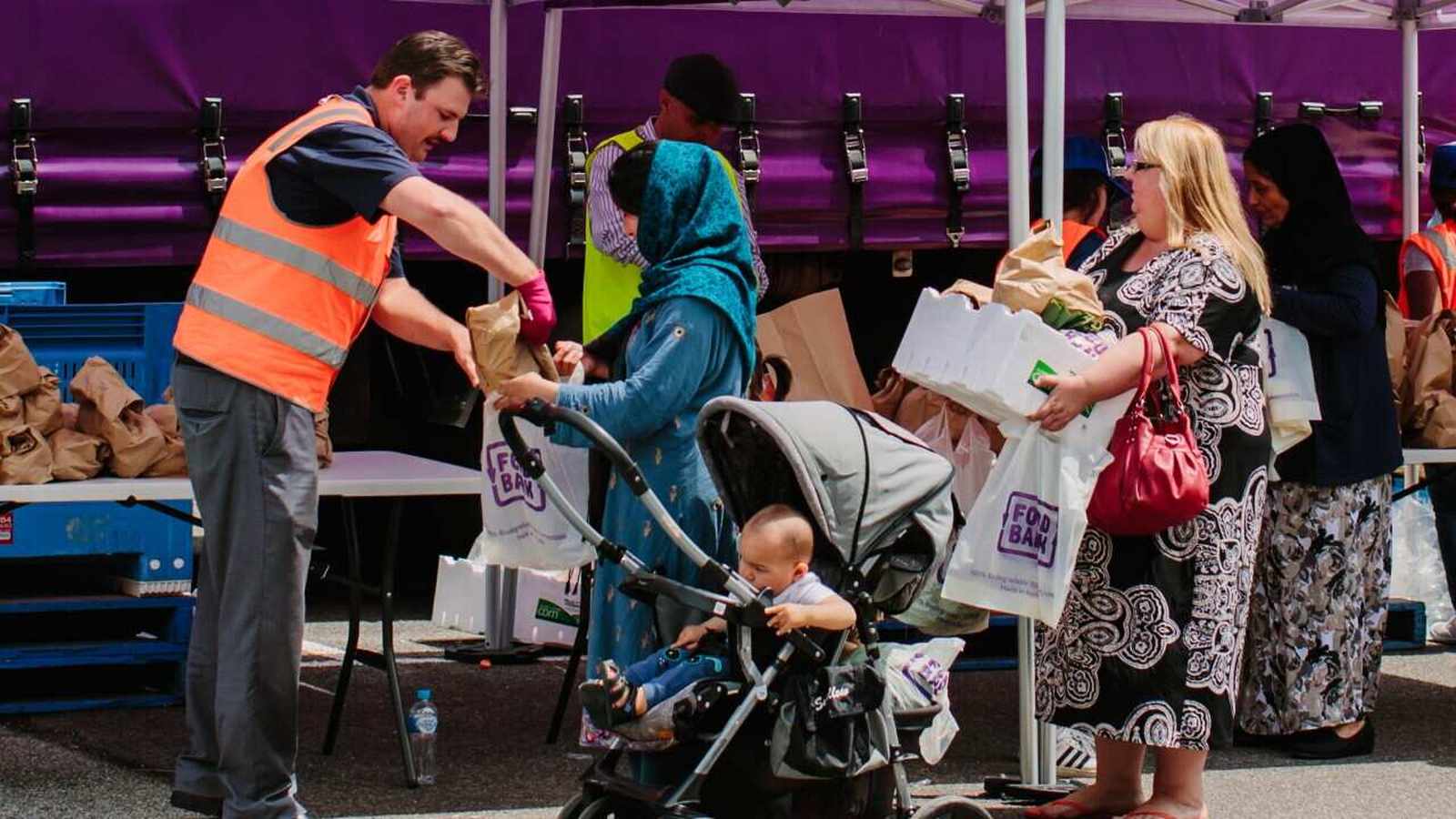
Australia’s cost-of-living crisis has reached a critical juncture, with charities reporting unprecedented demand for food relief. In Adelaide’s northern suburbs, residents have begun queuing as early as 1:00 am to access essential grocery supplies, a trend that frontline workers describe as increasingly desperate.
Ann Cooper, founder of the South Australian charity Cos We Care, reports that the organization is seeing “new faces every week” among those seeking assistance. The charity, which operates in one of the regions with the highest density of food relief services in the country, provides support to individuals and families struggling to make ends meet in an environment of sustained inflation.
The Scale of Insecurity
Data from the 2025 Foodbank Australia Hunger Report highlights the depth of the issue: approximately 3.5 million households—one in three across the country—have experienced food insecurity over the past year. Of those, 61 percent are classified as severely affected, often skipping meals or going entire days without eating.
The economic pressure is fueling a broader national debate on policy. Green leader Zack Polanski has recently drawn criticism for suggesting that supermarket regulations should be tightened to address the status quo, even as some political commentators argue that current market interventions may inadvertently drive prices higher for the average consumer.
Existential Pressures
Beyond the immediate grocery lines, the crisis is intersecting with broader demographic anxieties. Recent discussions have intensified regarding Australia’s record-low birth rates, with observers linking the inability of young families to secure basic financial stability to a potential long-term social decline. As the government navigates these dual pressures of immediate food poverty and long-term economic sustainability, the strain on the social safety net remains a defining challenge for the coming fiscal year.