


Breaking the Stalemate
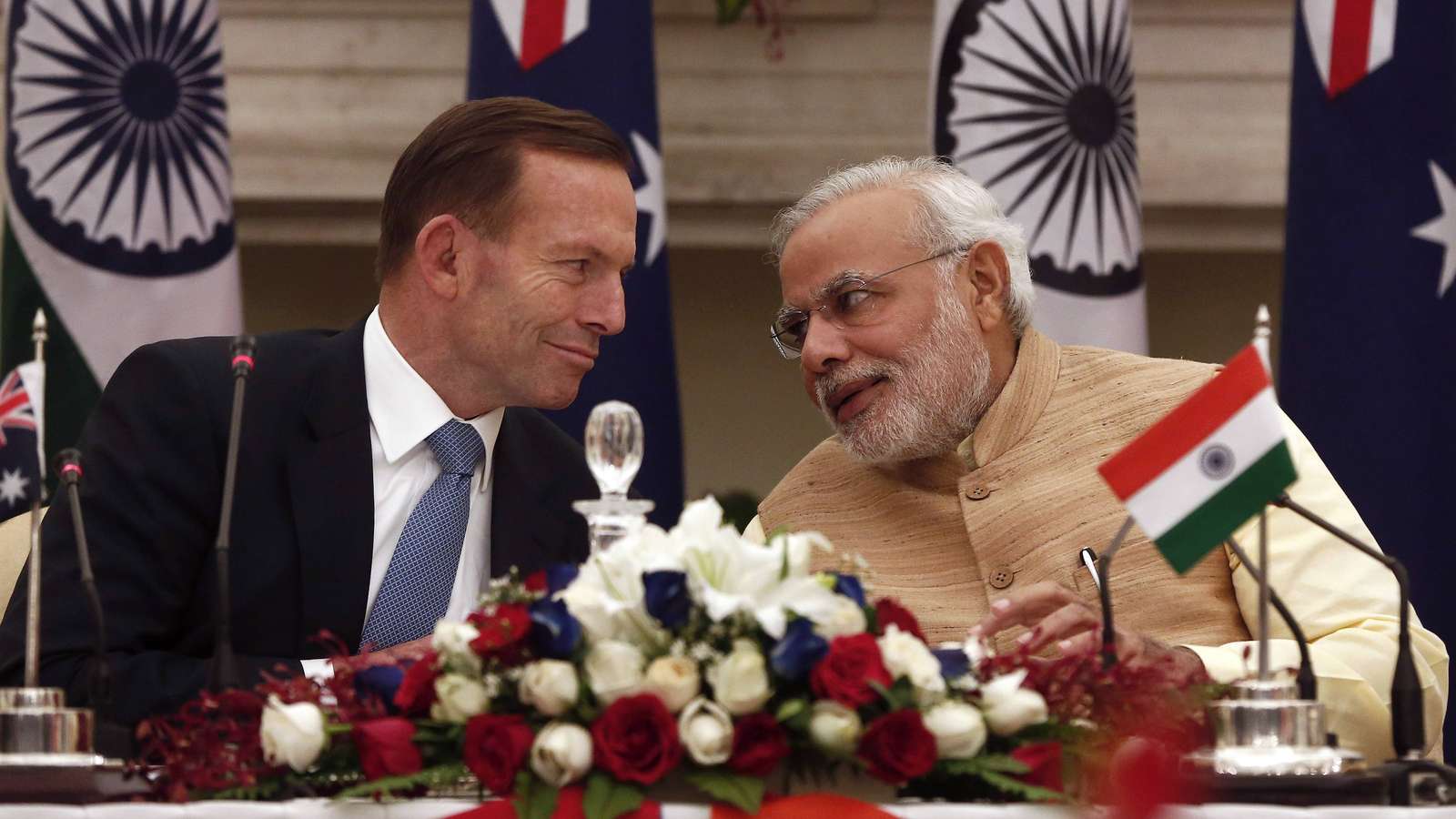
Australia and India have finalized an administrative agreement to begin the export of Australian uranium for peaceful, civilian nuclear energy purposes. The deal, announced Thursday in Melbourne by Prime Minister Anthony Albanese and Indian Prime Minister Narendra Modi, effectively ends a long-standing impasse that had delayed the implementation of a 2014 bilateral agreement.
For years, the export of nuclear material to India remained stalled due to concerns over India’s status outside the Nuclear Non-Proliferation Treaty (NPT). However, the new administrative framework provides the necessary safeguards to ensure that Australian uranium will be used exclusively for civilian power generation, adhering to International Atomic Energy Agency (IAEA) standards and the separation of India’s civilian and military nuclear programs.
Energy Transition and Strategic Stakes
The agreement is a critical component of India’s ambitious energy agenda. New Delhi aims to install 100 gigawatts of nuclear power capacity by 2047, a transition essential to meeting the needs of its 1.4 billion population. Currently, nuclear power accounts for only 3% of India’s electricity mix, despite significant growth over the past decade.
Beyond uranium, the leaders committed to deepening cooperation in renewable energy, green hydrogen, and critical minerals. Prime Minister Modi highlighted that Australian technology and capital could accelerate India’s low-carbon transition. Simultaneously, AustralianSuper, the nation’s largest pension fund, announced an additional A$500 million investment in India’s National Investment and Infrastructure Fund, signaling growing institutional confidence in the Indian market.
Indo-Pacific Security
The summit also addressed regional security, with both leaders pledging to increase defense and security cooperation in the Indo-Pacific. This “step-change” in the relationship comes at a time of heightened regional tension, particularly following recent missile tests in the South Pacific. While neither leader explicitly named China during the announcement, the strengthened security ties reflect a mutual desire to diversify trade and security partnerships, moving away from over-reliance on a single regional power.
India currently stands as Australia’s fifth-largest trading partner, with two-way trade valued at A$54.4 billion in the 2024-2025 financial year. As Prime Minister Modi continues his regional tour, the Melbourne summit stands as a landmark moment in cementing a “living bridge” between the two nations’ economic and strategic futures.