


Legislative Breakthrough After Marathon Negotiations
The Australian federal government has successfully navigated the Senate to pass the National Disability Insurance Scheme (NDIS) Amendment (Securing the NDIS for Future Generations) Bill 2026. The legislation, which has been the subject of intense debate, secured passage on August 18, 2026, following a critical deal between the Labor government and the Liberal-National Coalition. The bill, which aims to curb the rapid growth of the $50 billion-a-year scheme, will now return to the House of Representatives, where it is expected to pass with the government’s majority.
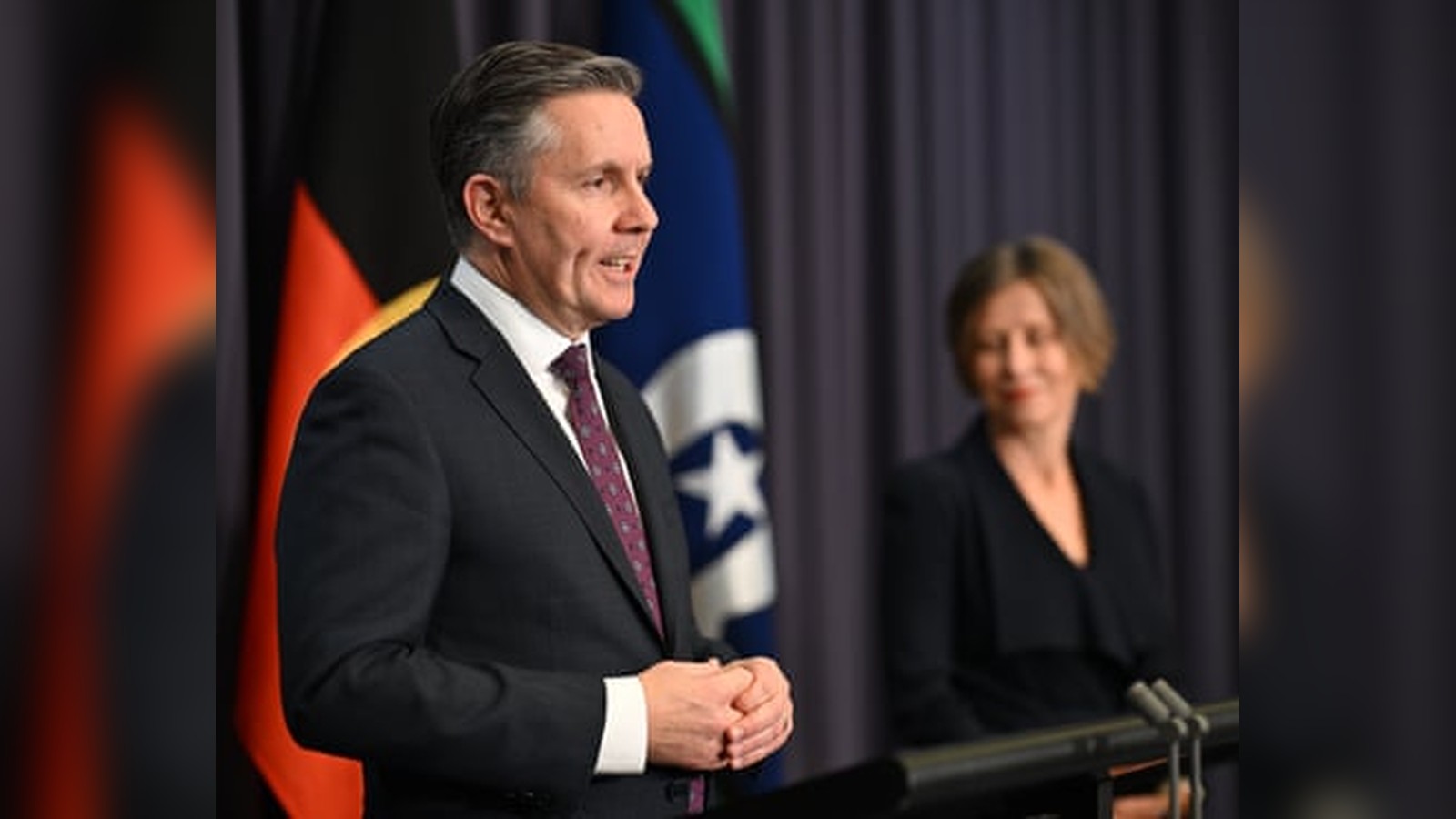
Health Minister Mark Butler and NDIS Minister Jenny McAllister confirmed that the government introduced 63 amendments to secure the necessary support. These changes are projected to save the federal budget approximately $37.8 billion over the next four years. Minister Butler stated that the reforms were essential to protect the scheme from “shonks, fraudsters, and sharp practice,” characterizing the existing structure as unsustainable.
Integrity Measures and Oversight
A central pillar of the new legislation is a significantly strengthened integrity framework. The bill introduces new criminal and civil penalties targeting providers who engage in fraudulent activities, such as providing false information, destroying records, or abusing their position as a participant’s nominee. The National Disability Insurance Agency (NDIA) will receive expanded enforcement powers to conduct swifter regulatory interventions against unethical providers.
Addressing concerns regarding the impact on vulnerable participants, the government introduced an “escalation pathway” for individuals with high-support needs. Minister McAllister explained that participants requiring 24-hour continuous care would be eligible to apply for a plan variation within 90 days of a support determination, providing a safeguard against potential funding cuts.
Controversy and Political Friction
Despite the amendments, the legislation remains polarizing. The Greens and several crossbenchers, including ACT Senator David Pocock, have criticized the speed of the legislative process and the potential for “indiscriminate” cuts. Senator Pocock specifically targeted a provision granting ministerial power to adjust funding categories across all participants, noting that such powers could lead to severe social isolation and increased risks of abuse for those relying on the scheme.
Minister Butler acknowledged that there remains “substantial” work to be done regarding foundational support programs for individuals who may be transitioned out of the NDIS. He maintained that the “Thriving Kids” program is scheduled to commence on October 1, 2026, despite resistance from the Queensland state government, which has declined to sign onto the initiative. Butler emphasized that the states have a “question of honour” to uphold commitments made in 2023 regarding NDIS sustainability.