


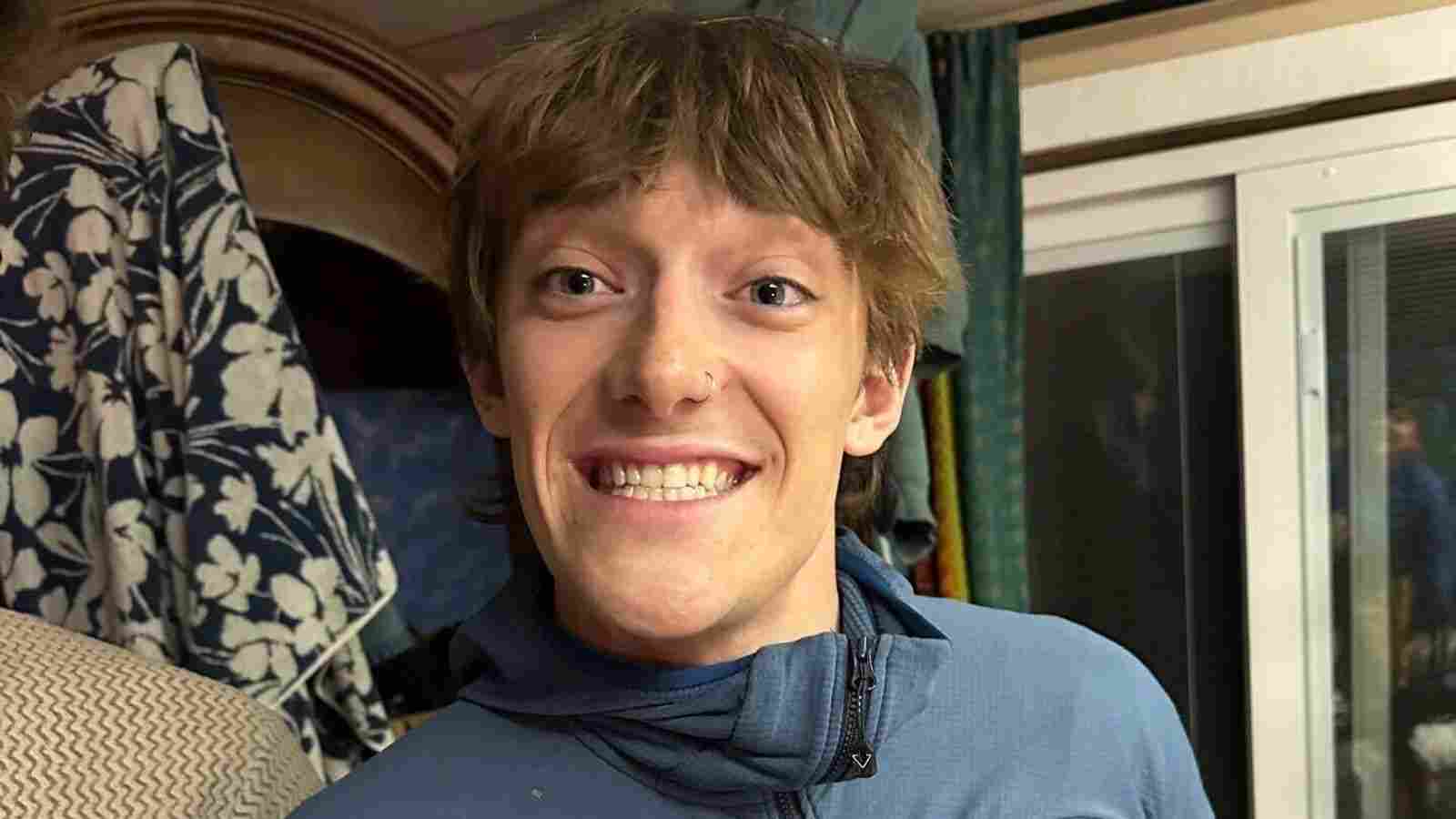
Alaskan Climbing Star Dies on Yosemite’s Iconic Wall
Balin Miller’s story began in the wilds of Alaska, but it ended this week on the sheer granite face of El Capitan, a vertical world that has long beckoned the boldest climbers. At just 23, Miller had already become a fixture in the climbing community—his silver glitter cheekbones, signature orange tent, and tireless pursuit of technical routes making him a recognizable and admired figure on social media and in real life.
On October 1st, as Miller live-streamed his climb on TikTok, he embarked on the daunting Sea of Dreams route—a 2,400-foot challenge that tests even the most experienced. He was lead rope soloing, a technique allowing climbers to ascend alone but stay protected by a rope. According to his brother, Dylan Miller, Balin had completed the ascent and was hauling his gear when tragedy struck. He likely rappelled off the end of his rope, not realizing it didn’t reach the stuck bags below.
Park rangers and emergency teams responded immediately, but Miller’s fall proved fatal. The National Park Service has launched an investigation into the accident, as reported by Associated Press and Sky News. His mother, Jeanine Girard-Moorman, was informed by rangers—a phone call that shattered a family and reverberated across the climbing world.
Tributes for a Life Lived on the Edge
“My heart is shattered in a million pieces,” Girard-Moorman wrote in a Facebook post, sharing cherished images of her son through the years. “He did not want to die. He wasn’t ready to die. But he did die doing what he loved, for sure.”
Miller was known for more than just his technical skill. He was the “orange tent guy” to thousands who watched his climbs online, and he wore silver glitter on his cheekbones—a ritual he described as “a warrior putting makeup on before going into battle.” His approach to climbing was deeply personal, marked by a fierce independence and a willingness to seek out the most challenging routes, from the icy faces of Alaska and Montana to the granite walls of Yosemite.
“He said he felt most alive when he was climbing,” Dylan Miller recalled. “I’m his bigger brother but he was my mentor.”
Social media tributes poured in as news spread. Fellow climbers and fans who watched Miller’s ascent and tragic fall on TikTok described his infectious energy and the sense of adventure that defined his life. Tom Evans, a Yosemite photographer, witnessed the aftermath: “He was a young man, highly regarded among the best climbers here. Many climbers on the wall saw the tragedy unfold. These things happen from time to time but the pain never passes. Rest in peace, Balin Miller.”
A Legacy Forged in Adventure
Balin Miller’s climbing journey started as a child, introduced to the sport by his father in Alaska’s rugged mountains. From those early days, he pursued cliffs and ranges across North America, living out of his silver Prius and cobbling together a shoestring income—never for fame or fortune, but for the joy of the climb. His mother described him as “strategic, curious, and endlessly playful,” with a touch of Robin Williams’ wild energy.
In June, Miller achieved the first solo ascent of the Slovak Direct on Denali (Mount McKinley), North America’s highest peak—a technically demanding feat that took him 56 hours. The accomplishment earned him international attention and respect among elite alpinists.
He was known to seek out ice climbs in Alaska, Montana, and Canada, always chasing the next summit. “His heart and soul was truly to just climb,” his mother said. “He loved to climb and it was never about money and fame.”
El Capitan itself is legendary, rising more than 3,000 feet above Yosemite Valley. The Sea of Dreams route, which Miller attempted, is considered one of the most demanding big wall climbs in the world. The wall has witnessed triumphs and tragedies for generations, from Alex Honnold’s ropeless ascent immortalized in “Free Solo” to the quieter victories and losses of climbers like Miller.
Yosemite’s Summer of Tragedy and the Risks of the Vertical World
Miller’s death marks the third fatality in Yosemite National Park this summer. In June, an 18-year-old Texan died while free-soloing—climbing without ropes—on another formation. In August, a 29-year-old woman was killed by a falling tree branch while hiking. Miller’s accident occurred as the United States entered a federal government shutdown, which left national parks open but with limited operations and closed visitor centers.
The National Park Service emphasized that “park rangers and emergency personnel responded immediately.” Their investigation continues, seeking answers to the circumstances of Miller’s fall. But the risks inherent in climbing—especially on big walls like El Capitan—remain ever-present, even for the most experienced.
For Miller, those risks were accepted, but not romanticized. “He knew the risks, but I don’t think he was ready,” his mother reflected. “Most people aren’t ready to die if you’re mentally healthy. He did not want to die.”
His brother, family, and friends remember him as someone who “lived simply,” often out of his car, “scraping together a shoestring income to support his greatest passion.” Miller’s legacy is not only in the climbs he completed, but in the community he inspired—a generation of climbers who watched, learned, and mourned alongside him.
Balin Miller’s death is a sobering reminder of the delicate balance between adventure and risk that defines climbing’s culture. The outpouring of tributes, the stories of a young man who found meaning in the vertical world, and the persistent investigation into his accident all underscore the community’s enduring need for both courage and caution. In celebrating Miller’s life, the climbing world also confronts its own vulnerability—and the profound impact of a single, passionate soul lost too soon.