


Challenging the Modern Broadcast Standard
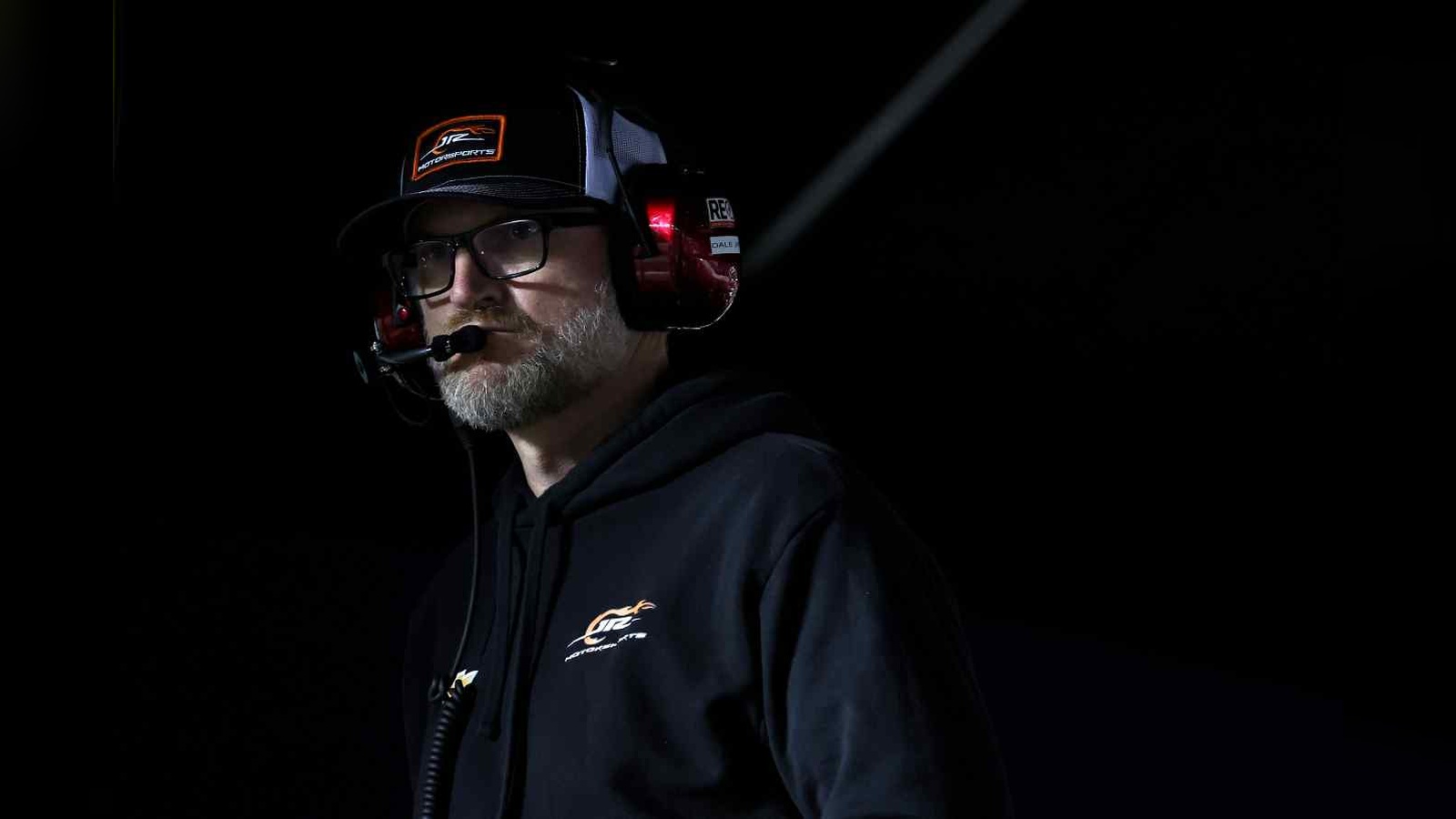
NASCAR Hall of Famer Dale Earnhardt Jr. has publicly criticized the current broadcast reliance on stage breaks to facilitate commercial advertising, suggesting that the sport should return to the historical practice of running ads during green-flag racing. In remarks featured on The Dale Jr. Download, reported on November 18, 2026, by RacingNews.co, Earnhardt argued that the artificial cautions introduced in 2017 to manage field density are unnecessary at superspeedway venues like Daytona and Talladega. The current stage format, which segments races into defined portions, was designed in part to ensure that television networks could secure reliable commercial windows, mirroring structures found in other major sports. However, Earnhardt contends that at high-speed drafting tracks, the field naturally remains compact, rendering the artificial bunching of cars provided by stage cautions redundant. He stated that the network requirement for “baked-in” commercial breaks should not dictate the flow of competition, particularly when it forces unnecessary interruptions in high-stakes racing environments.
The Historical Context of Green-Flag Advertising
Earnhardt’s critique centers on the evolution of fan expectations and broadcast standards. He noted that for approximately 50 years, viewers accepted that missing brief segments of green-flag action was a standard part of the viewing experience. As reported by Heavy.com, the former driver questioned why contemporary audiences have become so resistant to advertising during active racing, suggesting that the drive to capture every second of live footage has altered the traditional relationship between the broadcast and the viewer. During the discussion, Earnhardt emphasized that fans often step away from their screens during broadcasts, and the expectation that a network must provide an uninterrupted stream of action may be an over-correction. He suggested that the uncertainty of what occurred during a commercial break—a common experience for fans in the 1980s and 1990s—was not inherently negative. In his view, returning from a commercial to discover a change in the race order or a significant incident was part of the sport’s history and should not be treated as a systemic failure of modern coverage.
Superspeedway Realities and Broadcast Friction
The debate is particularly acute regarding Daytona and Talladega, where the physics of drafting ensure that cars remain in close proximity throughout the event. Unlike intermediate tracks where a leader might stretch a significant advantage, superspeedway competitors are constantly engaged in pack racing. As noted by EssentiallySports, the introduction of stage breaks was intended to guarantee broadcast windows, but Earnhardt argues this is a misplaced priority at these specific venues. By forcing a caution to bunch up a field that is already bunched, NASCAR disrupts the natural rhythm of the race. Earnhardt’s blunt message to the networks—to simply run the commercials during active green-flag racing as was done for decades—highlights a growing friction between the needs of television partners and the desired integrity of the racing product. For Earnhardt, the desire to avoid missing a single moment of action is a modern construct that arguably diminishes the organic excitement of the sport. He recalls an era where the mystery of what transpired during a commercial break added a layer of anticipation rather than frustration.
Implications for Future Race Formats
While Earnhardt’s comments have intensified the debate surrounding NASCAR broadcast strategies, they also coincide with broader discussions regarding potential changes to race formats in the O’Reilly Series and Truck Series. NASCAR is currently exploring different structural approaches, and the success of these trials could eventually influence the Cup Series. Earnhardt remained cautious about speculating on specific regulatory changes, noting that he did not want to interfere with ongoing discussions about future race formats. However, his stance on the broadcast model remains firm: he believes the sport should prioritize the racing product over the rigid commercial structures that currently rely on stage-break cautions. As the governing body evaluates its broadcast partnerships and fan engagement strategies, the tension between maintaining commercial inventory and preserving the integrity of the racing experience at venues like Talladega continues to be a central point of debate among industry stakeholders and fans alike. The evolution of the sport, from the 1980s to the current era, reflects a fundamental shift in how viewers consume racing. Earnhardt’s plea for a return to tradition is not just a call for advertising changes, but a philosophical argument for allowing the race to unfold without artificial intervention.
The Burden of Modern Expectation
A central tenet of Earnhardt’s argument is that the expectation of constant, uninterrupted coverage is a self-imposed burden that networks and fans have accepted. By attempting to account for every second of on-track activity, the broadcast often sacrifices the fluidity of the race. The 2025 and 2026 racing seasons have provided numerous examples of highly competitive events at superspeedways that were punctuated by scheduled breaks. These breaks, while beneficial for commercial revenue, have become a focal point for critics who believe the sport’s regulatory structure is overly influenced by non-racing considerations. Earnhardt’s perspective is grounded in his experience as both a driver and a fan who remembers the sport before the 2017 implementation of the stage system. He argues that the “missing” action during a commercial break is a natural part of the viewing experience, and that the modern focus on capturing every second is an unnecessary reaction to the evolution of digital-era consumption. Whether NASCAR will heed these calls to modify or remove stage breaks at specific venues remains uncertain, but the conversation has firmly placed the relationship between television economics and competition integrity at the forefront of the sport’s current discourse.