


Strategic Shift in Ethiopian Defense
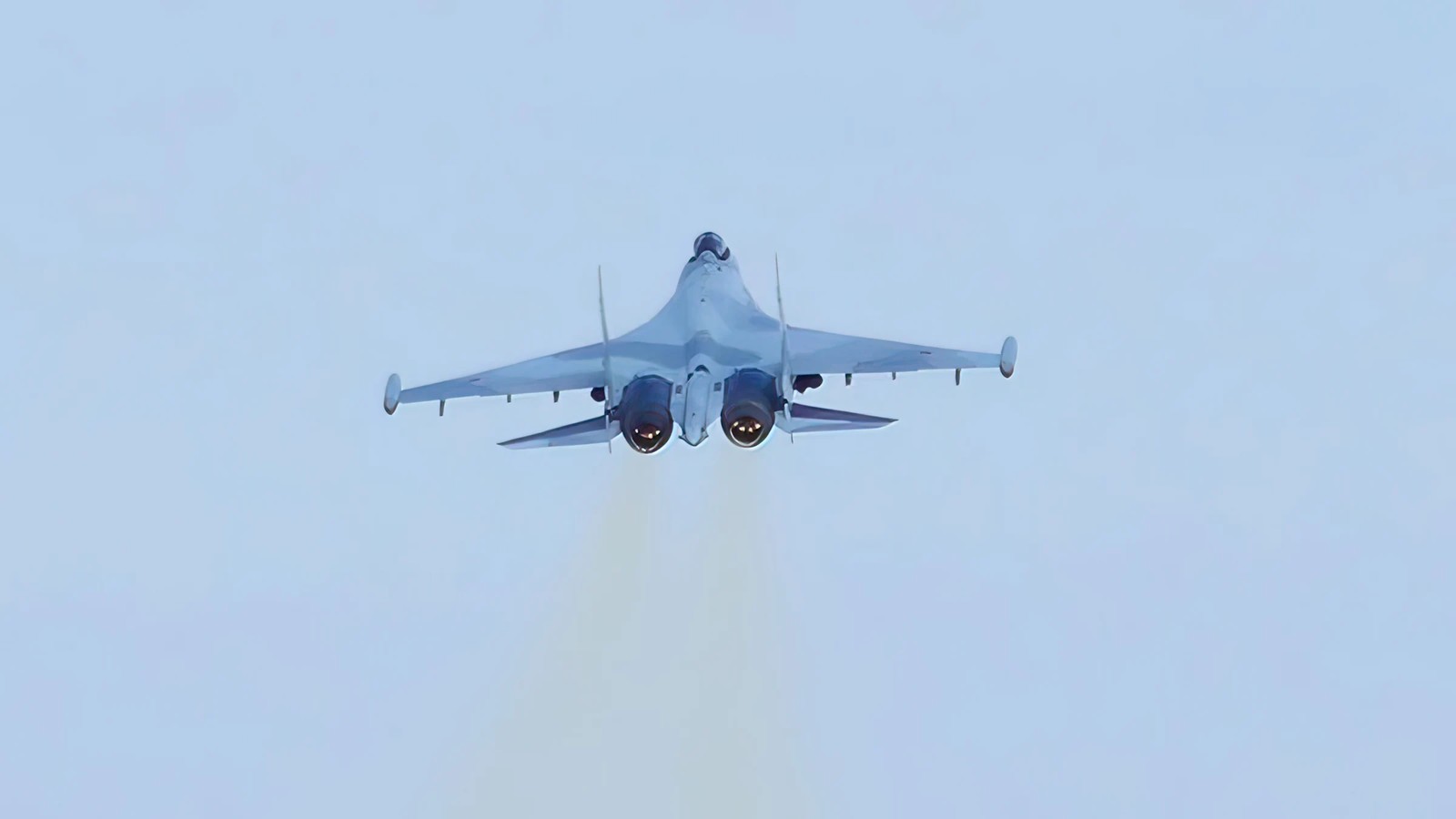
During the third Russia-Africa Summit held on October 28, 2026, Ethiopian Prime Minister Abiy Ahmed officially announced that Ethiopia will acquire four Russian S-400 Triumf long-range air defense batteries. This procurement is part of a broader military modernization initiative that also includes the early delivery of 12 Sukhoi Su-35 multirole fighters. According to Army Recognition, these assets are intended to replace or supplement Ethiopia’s aging inventory of Soviet-era systems, providing a significant leap in regional deterrence capabilities.
The acquisition represents a strategic pivot for Addis Ababa as it manages persistent internal security challenges in the Tigray and Amhara regions while contending with deteriorating regional relations in the Horn of Africa. By securing advanced Russian hardware, Ethiopia aims to extend its ground-based interception range significantly, potentially reaching up to 400 km under ideal operational conditions. This move is interpreted by regional analysts as an effort to deny airspace access to neighboring states, thereby altering the security landscape in a volatile geopolitical corridor.
Technical Capabilities and Operational Uncertainty
The transition to the S-400 platform is complex, as the exact configuration of the four batteries remains undisclosed. Reports published by Janes indicate that the operational impact of these systems depends heavily on the specific radar command architecture and the types of interceptor missiles supplied. A single S-400 battery can vary from a small group of launchers to a full firing battalion, meaning the total capacity could range from 12 to 48 launchers.
The effectiveness of the system is further dictated by the missile variant chosen. While the 40N6E missile offers a maximum range of up to 400 km, other variants like the 48N6E3 or 9M96E2 have significantly shorter ranges, spanning from 40 km to 250 km. Furthermore, the S-400 relies on a sophisticated network of surveillance and engagement radars, such as the 91N6E ‘Big Bird’ and 92N6E ‘Grave Stone’. Without clarity on which radar suites Ethiopia has procured, the true engagement capacity—specifically against low-altitude threats—remains subject to technical limitations like the radar horizon.
Integration with Existing Infrastructure
Ethiopia’s current air defense network is a patchwork of legacy systems, including S-75M3, S-125M1, Pantsir-S1, HQ-64, and SPYDER units. The integration of 12 Su-35 fighters, which have arrived ahead of their original schedule, provides the Ethiopian Air Force with a modern multirole capability that far exceeds the performance of its existing Su-27 fleet. However, the logistical challenge of integrating Russian-made S-400s into a diverse air defense architecture—which currently includes Chinese and Israeli-origin components—will be a significant hurdle for military planners.
The deployment of these systems serves as a clear signal of Ethiopia’s intent to project power beyond its borders. As the Horn of Africa faces ongoing instability, the ability to enforce a no-fly zone or provide long-range area denial will likely heighten friction with neighbors, particularly Eritrea. For Addis Ababa, the priority is clear: moving from a reactive, legacy-based defense to a proactive posture capable of addressing modern aerial threats. The success of this transition will depend not only on the arrival of the hardware but on the training of personnel and the establishment of a robust command-and-control framework to link these disparate systems into a unified, lethal defensive grid.