


American Passenger Missing After Carnival Horizon Stop in Bonaire
It began as a weeklong Caribbean escape, but for Jessica Collins, her journey aboard the Carnival Horizon ended with more questions than answers. On September 17, Collins, a 47-year-old American tourist, stepped off the cruise ship at the island of Bonaire—her last known sighting. She left behind a note, a cash tip for her stateroom attendant, and a request: do not try to contact me. What happened next has drawn the attention of authorities, her family, and travelers worldwide.
Surveillance Footage and Last Known Movements
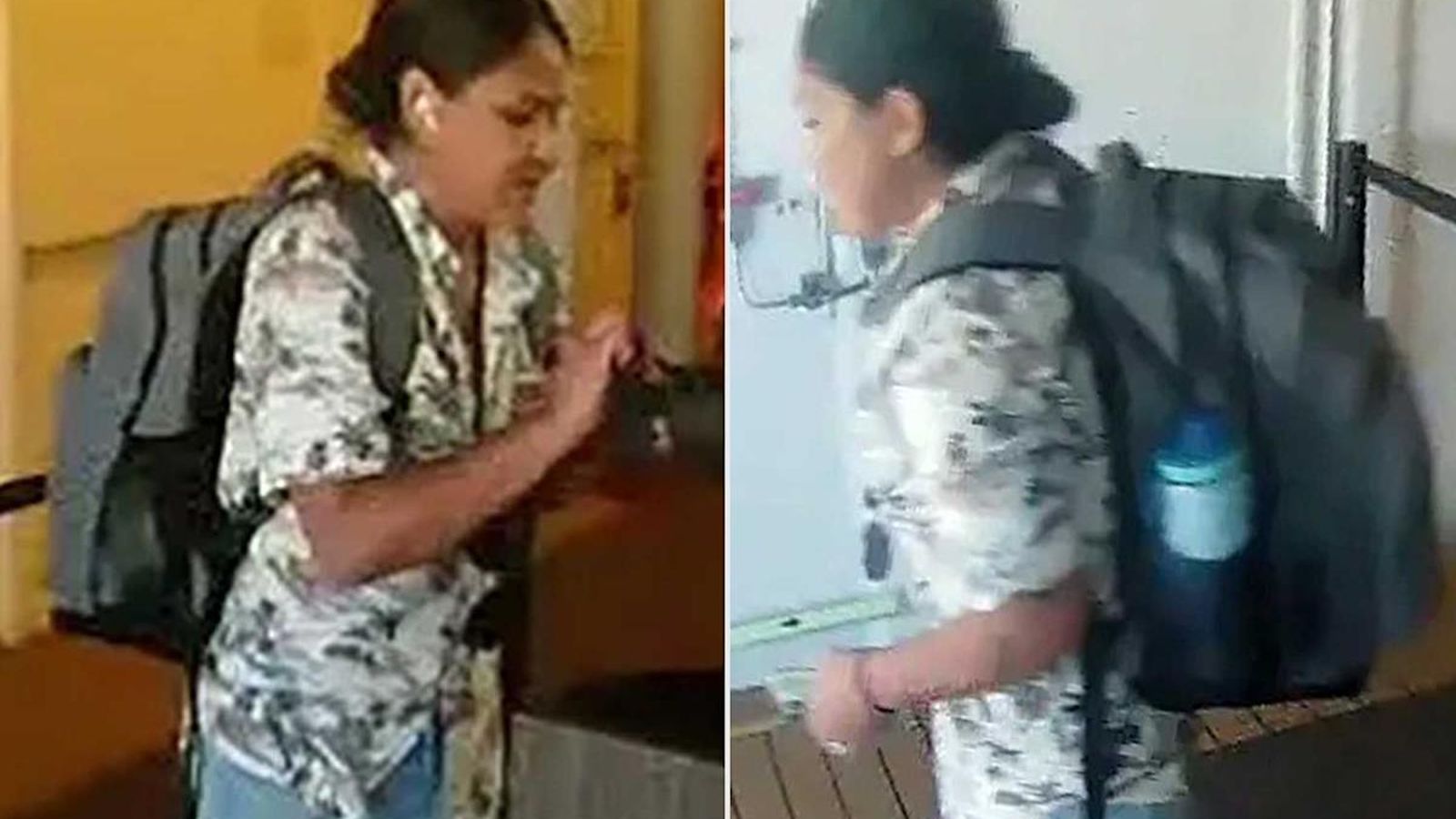
According to USA Today and a press release translated from Dutch, Jessica Collins boarded the Carnival Horizon on September 13. On the morning of September 17, she was captured on surveillance footage walking off the ship in Bonaire. She wore a short-sleeved button-down shirt, shorts, and a gray backpack—her belongings, it seems, pared down to what she could carry. There was nothing outwardly unusual about her demeanor, but the details she left behind paint a more complex picture.
Carnival Cruise Line representatives told PEOPLE that Collins left a gratuity and a thank-you note for her attendant. Notably, she also texted a member of Carnival’s Care Team—who had been trying to reach her—insisting that she was safe and did not want to be found or contacted again. The message was unequivocal. Carnival’s spokesperson explained: “While we are cooperating with local authorities, this guest appears to have taken deliberate action to be alone and on her own.”
Authorities Launch Investigation, But Intentions Remain Unclear
The disappearance has set off a multi-agency investigation. Bonaire’s police, the Public Entity of Bonaire, the Port Authority, Tourism Corporation Bonaire, and Carnival Cruise Line Security are all involved, along with U.S. authorities. The search effort is extensive, but the facts suggest that Collins’s absence may have been a personal choice rather than the result of foul play.
Authorities have released a phone number and anonymous tip line, asking anyone with information about Collins’s whereabouts to come forward. But as days pass with no confirmed sightings, the focus is shifting from a rescue mission to a search for understanding. What might prompt a traveler to vanish so intentionally?
Patterns, Precedents, and the Human Factor
Stories of cruise passengers going missing are rare, but not unprecedented. The vastness of the open sea, the anonymity of bustling ports, and the transient nature of cruise life can sometimes be the backdrop for deeply personal decisions. In Collins’s case, her actions before leaving—settling her affairs, leaving a message of gratitude, and directly communicating her wishes—suggest a level of planning that is unusual in most missing persons cases at sea.
For those left behind, however, the uncertainty is profound. Family members and friends often face a difficult balance between respecting a loved one’s wishes for privacy and the instinct to search and hope for a safe return. The situation is complicated by the international nature of cruise travel; jurisdiction is shared between local authorities, the cruise line, and, in Collins’s case, U.S. officials.
As Reuters has reported in similar cases, cruise companies are required to cooperate fully with authorities and provide all available surveillance and records. Carnival has affirmed its ongoing cooperation, but the company’s statement makes clear their belief that Collins’s disappearance was intentional, not accidental.
Cruise Industry’s Duty of Care and the Limits of Security
The cruise industry has faced scrutiny in the past over its handling of missing passenger cases. While ships have extensive surveillance and protocols, the reality is that guests can—and do—disembark at ports of call with relative ease. Once a passenger leaves the vessel, especially with their belongings, the ship’s responsibility is limited. The company is still expected to notify authorities and assist in the search, but ultimately, the freedom that makes cruise travel appealing also creates opportunities for passengers to slip away unnoticed if they choose.
Collins’s last communication was direct: she did not want to be found. That message, while perhaps reassuring to investigators, offers little comfort to those who care about her. It also raises sensitive questions about mental health, autonomy, and the right to disappear. Cruise ships, often marketed as floating paradises, are also microcosms of society, complete with all its complexities and vulnerabilities.
Community Response and the Ongoing Search
The Bonaire community has responded with concern and support. Local media, tourism officials, and law enforcement have shared Collins’s photo and the details of her disappearance, urging anyone with information to come forward. For now, there have been no confirmed sightings on the island or reports that she has left Bonaire. The search remains active, but without new leads, its future is uncertain.
Carnival’s statement reflects the company’s position: “We are cooperating with authorities, and our thoughts are with the guest and her loved ones.” The line between privacy and public safety is never easy to walk, and each missing person’s story is unique. The case of Jessica Collins is a stark reminder that even in the most controlled environments, personal agency and the mysteries of individual choice persist.
In the end, Jessica Collins’s disappearance is not simply a story of a missing cruise passenger—it is a story about the boundaries of choice, the reach of care, and the unknowable depths of the human heart. As the search continues, one thing remains clear: the sea is vast, but so too is the space between what we know and what we cannot understand.