
Science
-

Euclid Telescope Reveals Unprecedented View of Milky Way’s Galactic Bulge
The ESA’s Euclid telescope has released a 324-megapixel image of the Milky Way’s galactic bulge, providing a crucial dataset for future exoplanet research in collaboration with NASA’s Nancy Grace Roman Space Telescope.
-
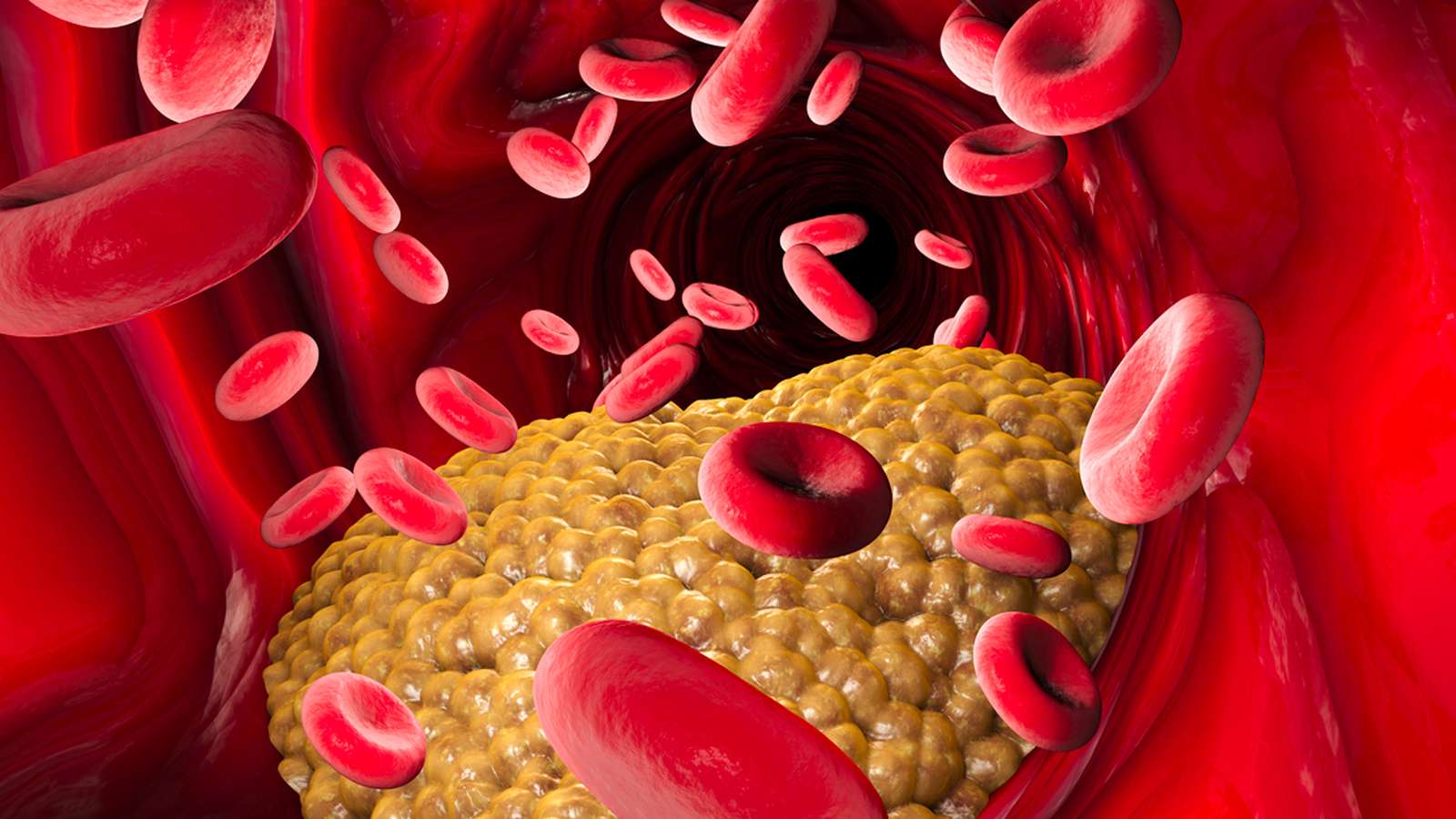
Researchers Uncover Hidden Biological Pathway for LDL Cholesterol Clearance
A study from UC San Diego School of Medicine identifies a protein-linked pathway that degrades LDL receptors, offering a potential new therapeutic target for high cholesterol.
-

Engineering the Kilometer-High Skyline: The Jeddah Tower’s Atmospheric Frontier
As the Jeddah Tower nears completion, engineers reveal how its unprecedented 1,000-meter height requires navigating the atmospheric boundary layer and rethinking structural wind loads.
-
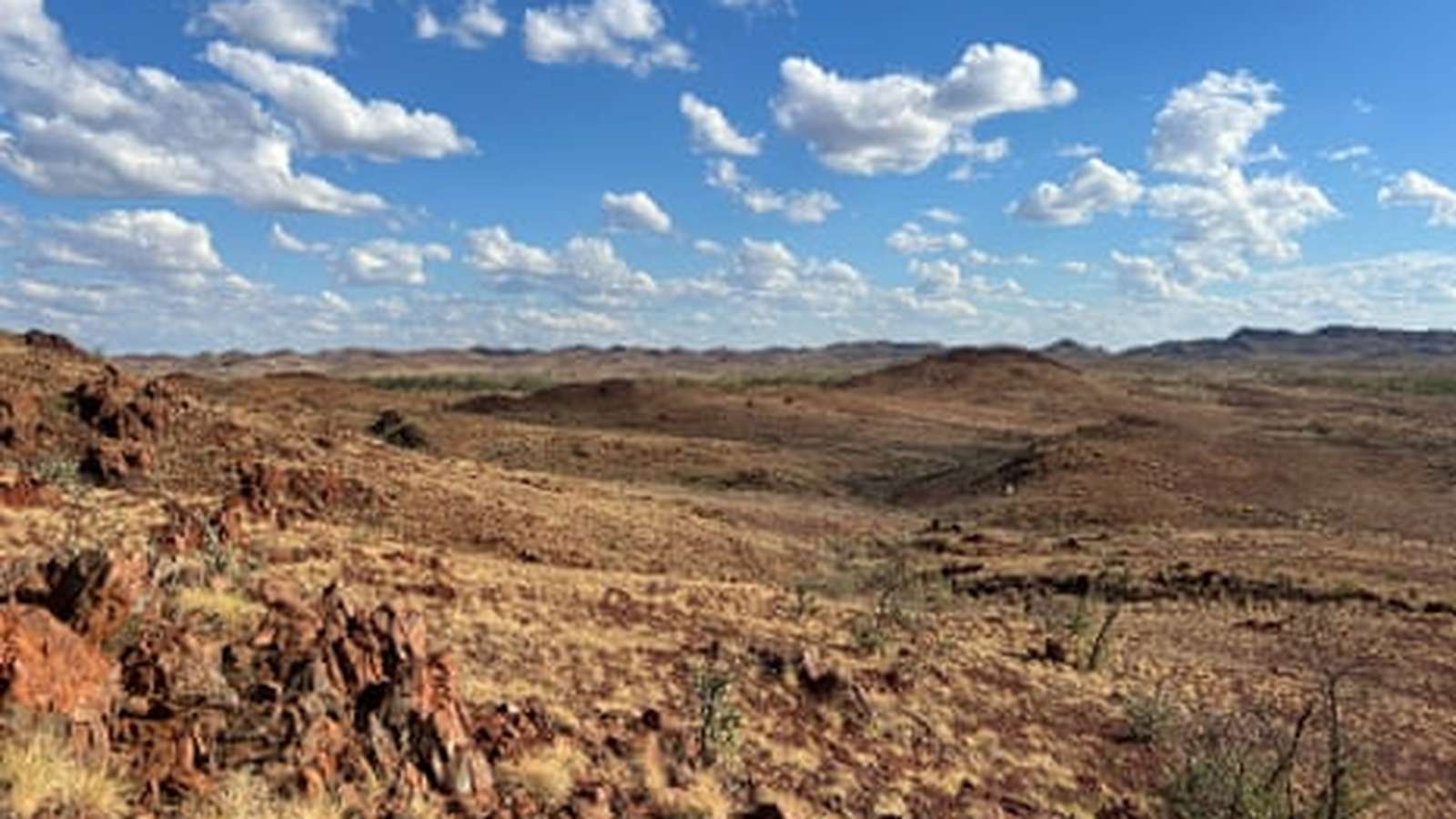
New research refines age of Earth’s oldest impact crater in Western Australia
Researchers at Curtin University have utilized advanced mineral dating to confirm the North Pole Dome crater in Western Australia as the world’s oldest, dating the impact to 3 billion years ago.
-

Newly Discovered ‘Ballista’ Spider Uses Catapult Trap to Hunt Aggressive Ants
Researchers in Queensland have identified a unique spider species that constructs silk ‘ballista’ traps to launch prey at high speeds, a discovery providing new insights into arachnid biomechanics.
-

Summer Solstice 2026: Understanding the Longest Day of the Year
On Sunday, June 21, 2026, the Northern Hemisphere experiences the summer solstice, marking the astronomical start of summer and the year’s longest period of daylight.
-

Australia Marks 2026 Winter Solstice with Community Initiatives
As the Southern Hemisphere reaches its maximum tilt away from the sun this weekend, Australian communities are hosting cultural events to mark the shortest day of the year.
-
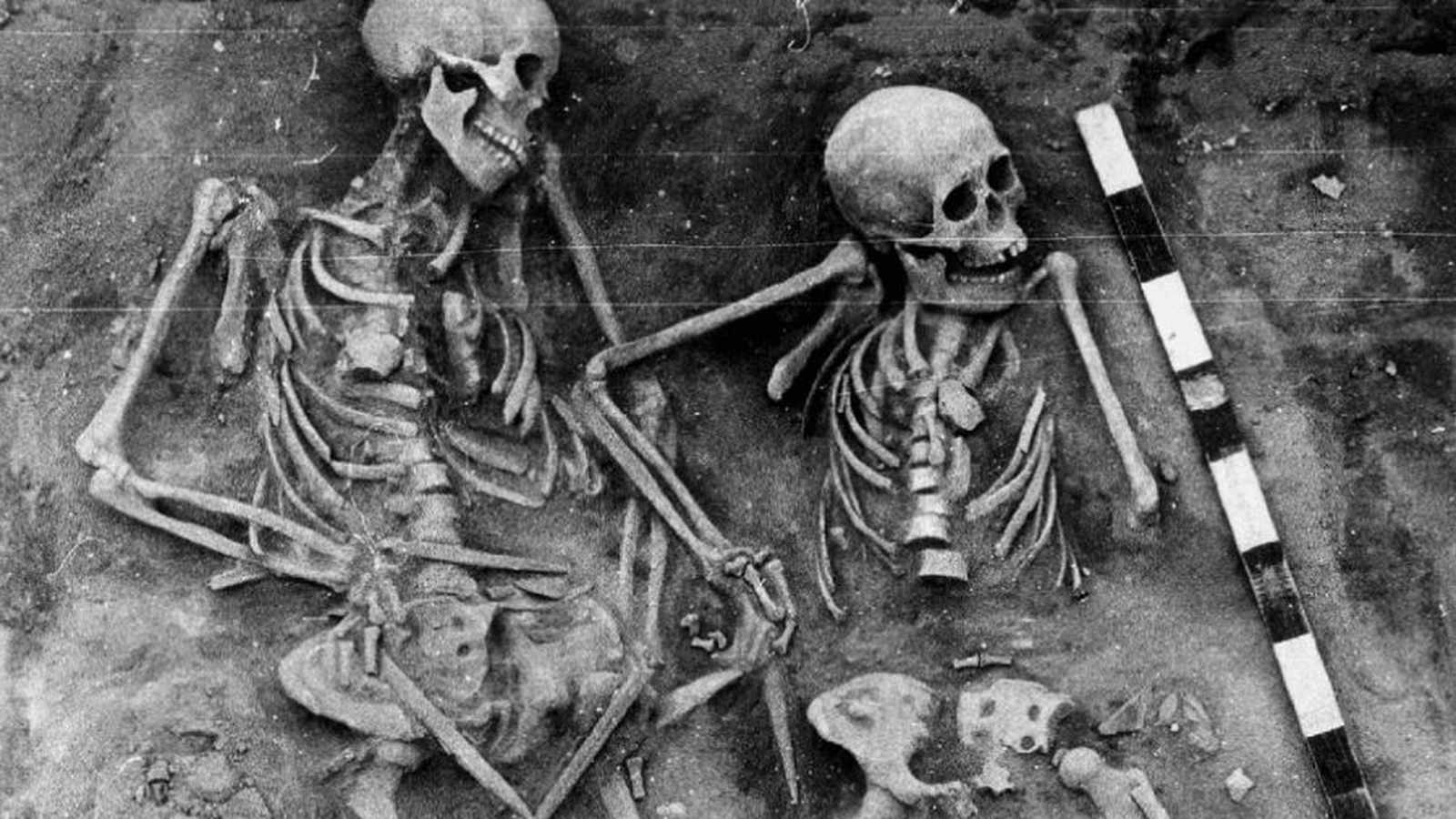
Ancient Siberian Plague Discovery Challenges Origins of Infectious Disease
A study in Nature reveals that hunter-gatherers in Siberia suffered from plague outbreaks 5,500 years ago, forcing scientists to rethink the link between sedentary farming and the spread of disease.
-

Waxing Crescent Moon and Planetary Alignments Highlight June 18 Sky
Stargazers are looking to the western horizon tonight as the Moon enters its waxing crescent phase, accompanied by notable planetary movements in the night sky.
-
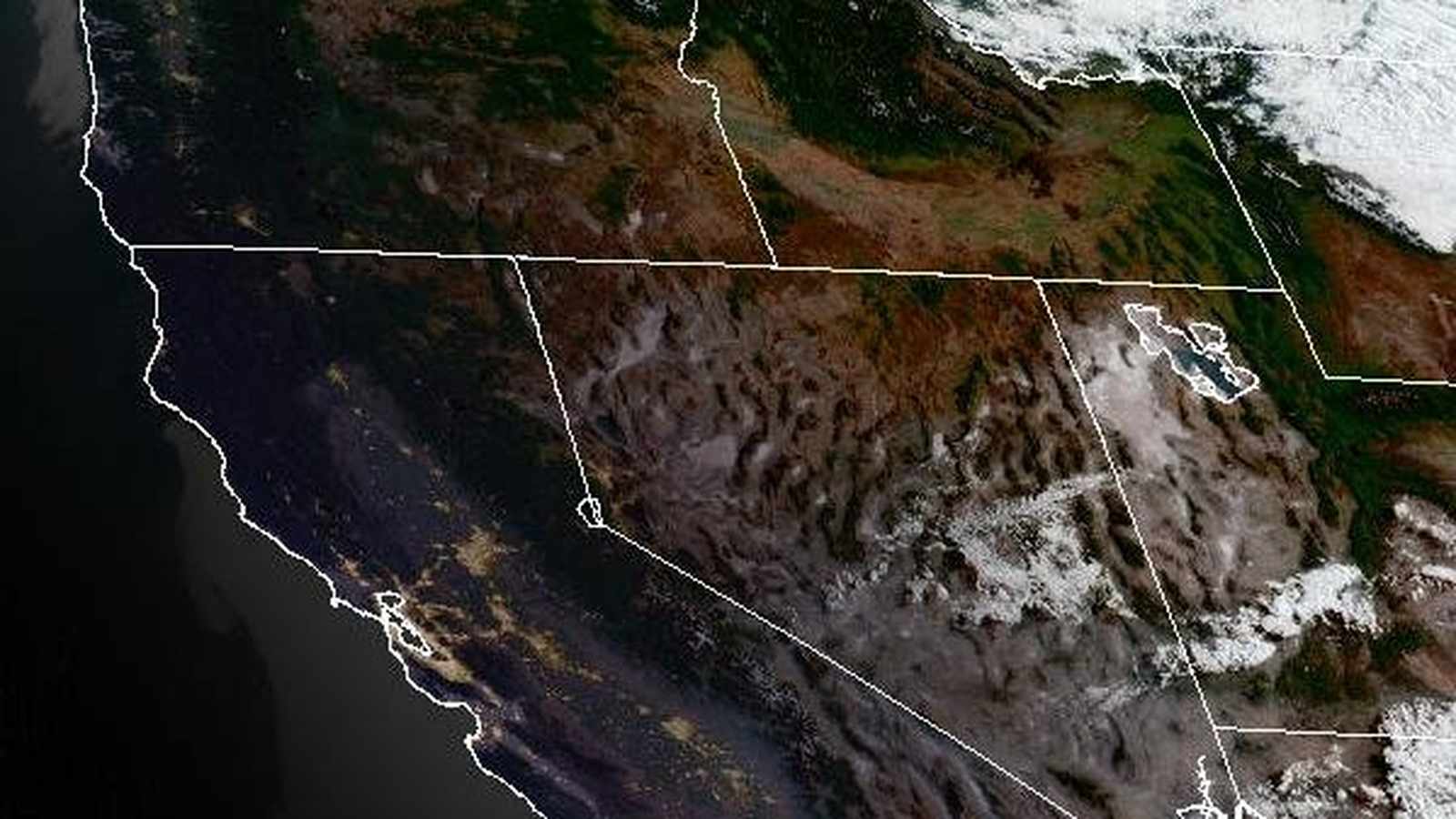
San Andreas Fault Reaches Highest Stress Level in 1,000 Years, Study Finds
A new study reveals that the San Andreas and San Jacinto fault systems are in a ‘critically loaded’ state, marking the highest stress levels in a millennium.
-

uniQure to Submit Huntington’s Gene Therapy for FDA Approval
Gene therapy developer uniQure announced plans to submit a Biologics License Application for its Huntington’s disease treatment, AMT-130, following positive feedback from the FDA.
-

Summer Solstice 2026: Understanding the Longest Day of the Year
On June 21, 2026, the Northern Hemisphere will experience its longest day of the year. Here is the science behind the summer solstice and the distinction between astronomical and meteorological summer.
-
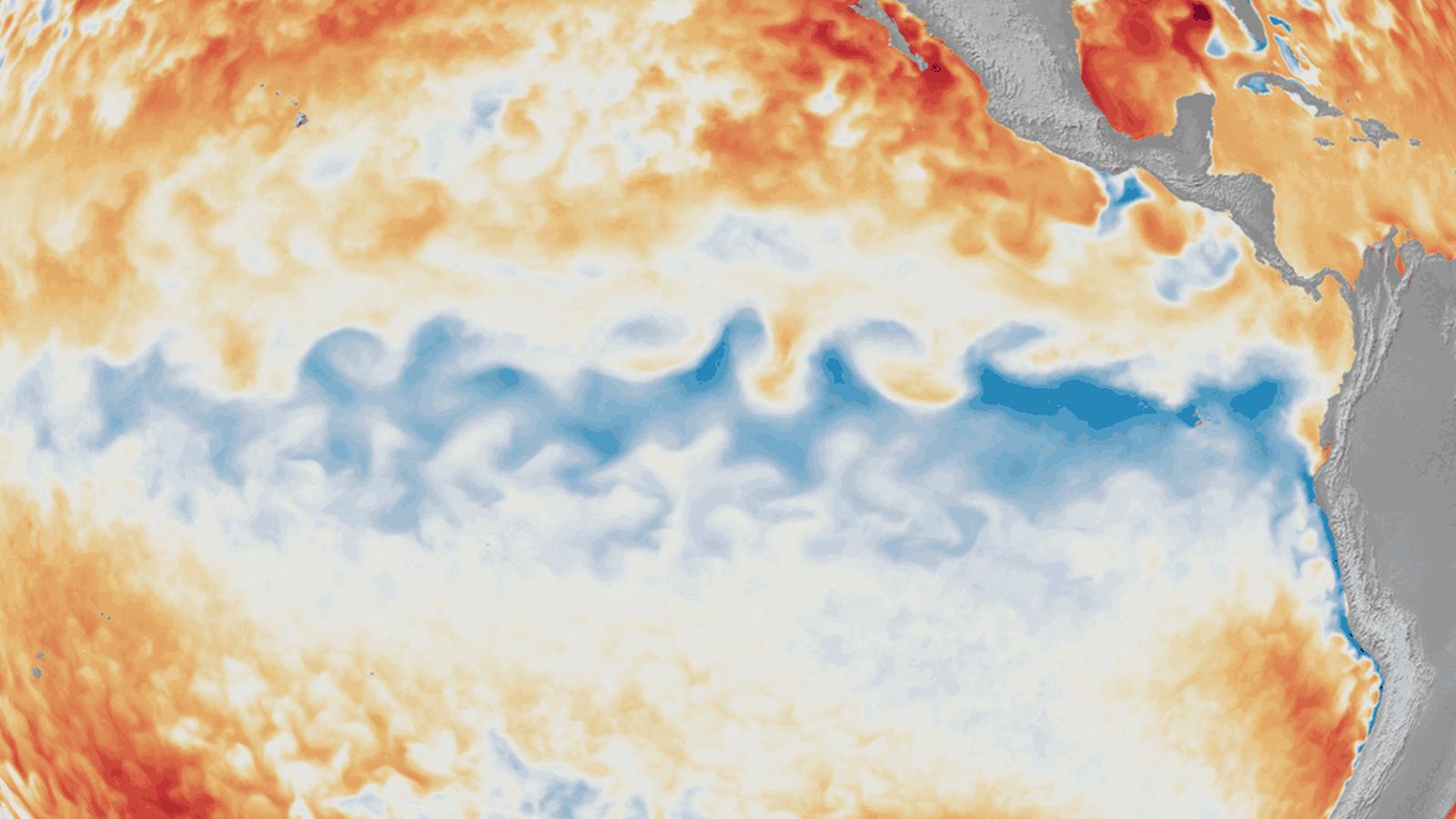
Global ‘Super’ El Niño Declared: Experts Anticipate Record Economic and Climate Impacts
The NOAA has officially confirmed the start of an El Niño event, with meteorologists warning it could rank among the strongest on record, threatening global economic stability and intensifying climate extremes.
-

New Analysis Challenges Yellowstone ‘Trophic Cascade’ Narrative
A peer-reviewed study from Utah State and Colorado State University researchers challenges claims of a park-wide ecological surge following wolf reintroduction, citing flawed statistical modeling.
-

NOAA Confirms 2026/27 El Niño: Global Weather Stability at Risk
The U.S. National Oceanic and Atmospheric Administration (NOAA) has officially confirmed the onset of the 2026/27 El Niño, sparking concerns over extreme heat, droughts, and potential record-breaking temperatures globally.