


Official Declaration and Atmospheric Confirmation
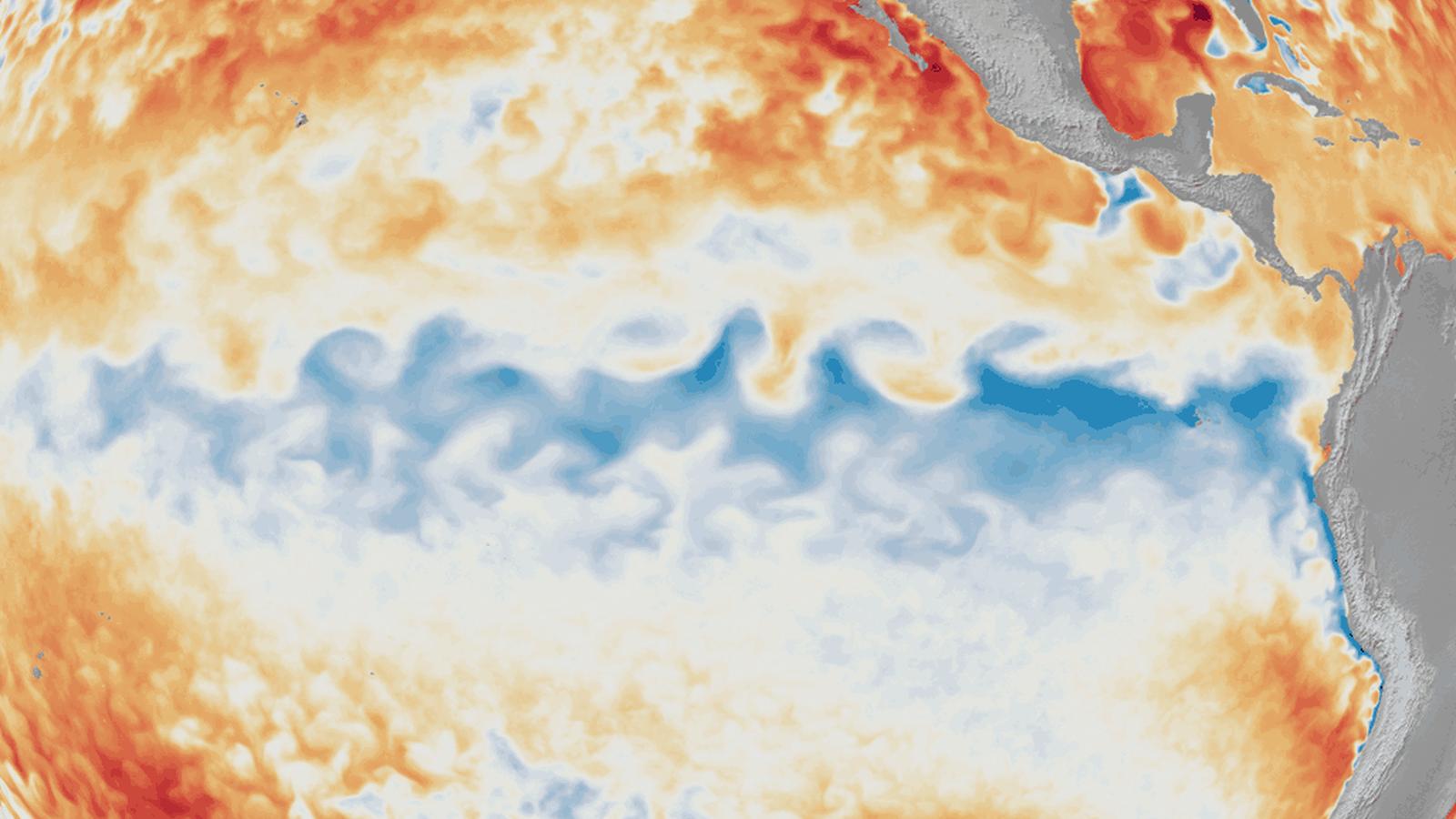
The National Oceanic and Atmospheric Administration (NOAA) officially declared the onset of an El Niño event on June 11, 2026, following confirmed shifts in Pacific Ocean surface temperatures and atmospheric pressure patterns. Satellite data from NASA’s Sentinel-6 Michael Freilich mission has corroborated these findings, tracking massive ‘Kelvin waves’ of warm water traveling eastward toward the South American coast.
Meteorologists indicate that the event is rapidly intensifying. While historical El Niño events have occurred every two to seven years, experts warn that this iteration—dubbed a ‘super’ El Niño—could rank among the most powerful on record, potentially rivaling the extreme cycles of 1982–1983 and 1997–1998.
Climate Amplification and Global Stakes
The current event is occurring against a backdrop of ongoing global warming. Climate scientists, including those at the U.K. Met Office, emphasize that El Niño’s natural warming effect is being ‘topped up’ by anthropogenic climate change. This synergy is expected to result in unprecedented heatwaves, altered jet stream paths leading to unpredictable flooding, and severe droughts in regions like Southeast Asia, Australia, and parts of Africa.
In Australia, the Bureau of Meteorology (BoM) has explicitly warned that climate change will amplify the risk of extreme fire weather and prolonged heat. The ‘double act’ of El Niño and elevated greenhouse gas emissions creates a high-stakes environment for global infrastructure and agriculture.
Economic Implications
The economic toll of such an event is substantial. Historical data suggests that severe El Niño cycles have resulted in trillions of dollars in global income losses. Researchers from Dartmouth College and Stanford University point to disrupted fisheries, reduced agricultural yields, and slowed economic growth as primary drivers of these costs. With current forecasts, economists suggest this could become the costliest El Niño event to date, disproportionately affecting nations whose economic foundations are most sensitive to climate variability.