


Analysis of Leaked State Data
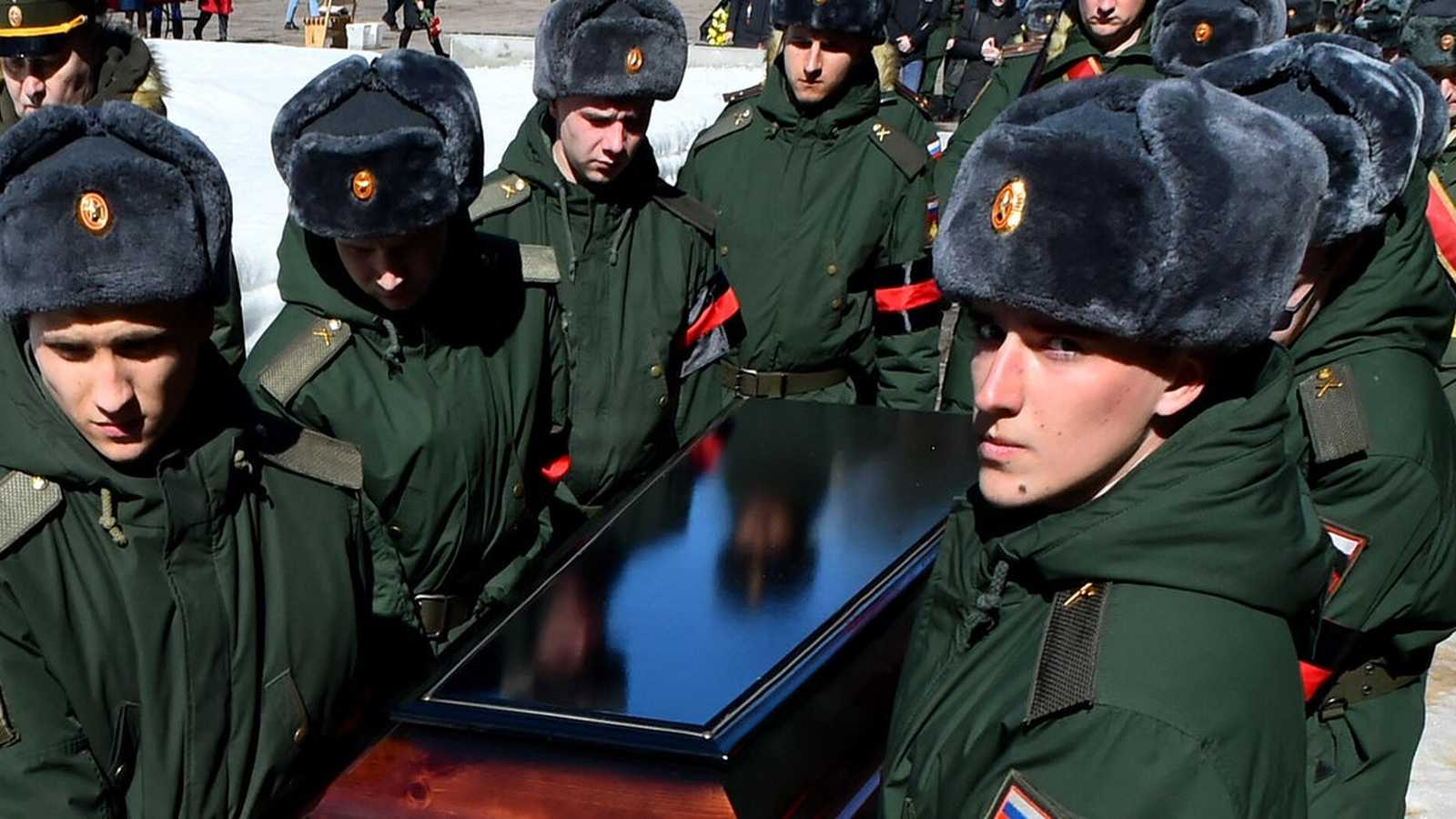
Leaked records from Russia’s state statistics agency, Rosstat, indicate that more than 490,000 Russian soldiers have died during the full-scale invasion of Ukraine, according to an investigation published on November 25, 2026. The dataset, which covers over 11 million death registrations between 2021 and September 2026, was obtained by a coalition of hackers including Belarusian Cyber Partisans and Ukraine’s Silent Crow. Independent media outlets, including the CBS News and Mediazona, analyzed the files, cross-referencing them with probate registries and court records to verify authenticity.
While the registered deaths confirm at least 490,334 fatalities, statistical projections by outlets such as Meduza suggest the true figure may reach 700,000 when accounting for administrative delays in death reporting and incomplete registrations. The leaked data provides granular details on the location of deaths, age ranges, and causes, revealing that the war became the primary cause of death for young Russian men in 2025; specifically, 65% of deaths among 18- to 24-year-old men were war-related.
Institutional Response and Context
The Kremlin has officially maintained a policy of silence regarding specific casualty figures since the initial months of the conflict. In response to the NBC News coverage of these findings, Kremlin spokesman Dmitry Peskov stated on November 25 that only the Russian Defense Ministry is authorized to disclose such data, advising the public to disregard other sources. The last official figures provided by the Russian government dated back to the early months of the invasion, when former Defense Minister Sergei Shoigu cited approximately 6,000 deaths.
Global Intelligence and Conflict Attrition
International observers and intelligence agencies have consistently provided higher estimates throughout the conflict. In May 2026, the director of the United Kingdom’s GCHQ, Anne Keast-Butler, estimated Russian military deaths at nearly 500,000. These figures highlight the escalating attrition in the conflict, which has continued despite reported international pressure for a negotiated settlement. While Ukraine’s own losses remain disputed, recent estimates from organizations such as the Center for Strategic and International Studies have placed the number of Ukrainian fatalities significantly lower than the projected Russian toll, though these figures lack independent, publicly verifiable corroboration on the same scale as the current data leak. Keti Korkiya, an analyst at the Foundation for Defense of Democracies, noted that the 700,000 figure is plausible, given the sustained recruitment of contract soldiers and the heavy strain on the Russian economy, which now allocates 35% of federal spending to defense. Despite the mounting human cost, analysts warn that the Russian leadership currently maintains a trajectory of continued mobilization to sustain the offensive, viewing the conflict as a test of societal endurance against Western-backed Kyiv.