


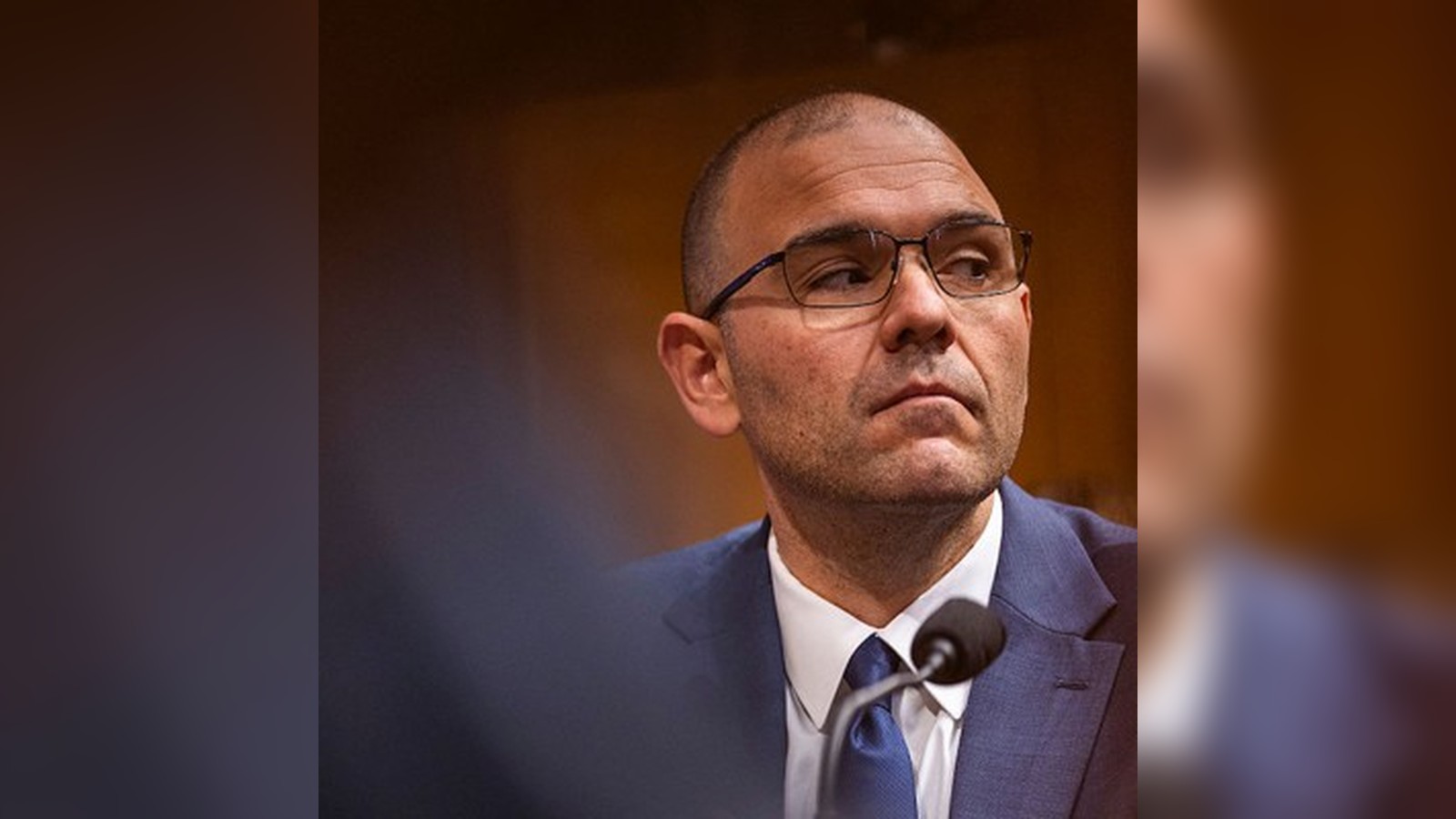
A Contentious Senate Hearing
During a Senate Homeland Security and Governmental Affairs Committee confirmation hearing held on November 19, 2026, Michael LoSapio, President Donald Trump’s nominee to lead the Cybersecurity and Infrastructure Security Agency (CISA), faced immediate, sharp bipartisan backlash. LoSapio, currently the chief information security officer at Palantir, explicitly denied that the January 6, 2021, assault on the U.S. Capitol constituted an attack. When pressed by Sen. Richard Blumenthal, D-Conn., on the nature of the event, LoSapio stated, “No, I don’t believe it was an attack,” MS NOW reported. The nominee’s refusal to acknowledge the documented violence of that day—which resulted in the assault of police officers and the interruption of the constitutional certification of the 2020 presidential election—drew immediate condemnation from lawmakers who view such admissions as a baseline requirement for intelligence and security leadership.
The exchange further deteriorated when LoSapio declined to answer questions regarding the winner of the 2020 presidential election. “I’m not going to answer the question about an election six years ago,” LoSapio told the committee, further asserting that his only involvement in that cycle was casting a vote for Donald Trump. These responses have effectively stalled his confirmation path, with reports indicating that Sen. Thom Tillis, R-N.C., and Sen. Ron Wyden, D-Ore., have moved to block or place holds on LoSapio’s inclusion in the administration’s nomination package, according to GovExec. This bipartisan resistance underscores the high stakes of the nomination, as the Senate’s narrow 53-seat Republican majority leaves little room for error if the administration intends to push the candidate through before the end of the legislative session.
Institutional Instability at CISA
The controversy surrounding LoSapio’s nomination highlights the ongoing fragility of CISA, an agency that has functioned without a Senate-confirmed director for nearly two years. Since the departure of former director Jen Easterly in January 2025, the agency has been led by acting director Nick Andersen, who assumed the role in February 2026. This leadership vacuum occurs as the agency navigates significant operational pressures, including a workforce reduction of approximately one-third under the current administration and a proposed budget cut of $385 million below 2025 funding levels. Industry observers and agency insiders have expressed deep concern that these systemic cuts, coupled with the absence of a confirmed leader, have left the United States’ primary civilian cyberdefense agency ill-equipped to handle modern nation-state threats.
During the hearing, Sen. Elissa Slotkin, D-Mich., questioned LoSapio on his stance regarding these resource cuts. LoSapio suggested that increased funding does not necessarily equate to improved security, stating he would need to assess the agency’s internal gaps before committing to any staffing or budget changes. “I don’t necessarily believe more money means more security,” LoSapio argued, shifting the focus to internal efficiency. However, this approach has drawn criticism from election officials who have expressed concerns that the scaling back of federal assistance has left state and local offices without necessary support. Many officials fear that the loss of nearly 1,000 positions has stripped the agency of the institutional knowledge required to secure election infrastructure against foreign and domestic interference.
Political Stakes for the Administration
LoSapio’s refusal to address the 2020 election results is particularly sensitive given CISA’s statutory mandate to protect election infrastructure. The agency previously drew the ire of the Trump administration in 2020 when it publicly declared the election secure, leading to the immediate dismissal of then-director Chris Krebs. By declining to affirm established facts regarding the 2020 election and the January 6 Capitol assault, LoSapio has faced accusations from committee members of demonstrating a profound lack of the objectivity and independence required for such a high-ranking security role. Sen. Blumenthal went so far as to tell the nominee that he was “disqualified” from the position due to his inability to acknowledge objective historical records.
The administrative defense of LoSapio has focused almost exclusively on his private-sector technical credentials at Palantir, with the White House pointing to his experience managing cybersecurity against sophisticated adversaries. Yet, the political friction suggests that his confirmation will remain a significant point of contention in the final weeks of the legislative session. With the Senate facing a potential logjam, the likelihood of CISA obtaining a confirmed director before the start of the next year is decreasing. If LoSapio’s nomination fails, it would mark the second failed attempt by the current administration to install a permanent leader at the agency, following the withdrawal of Sean Plankey in April. For an agency tasked with the critical mission of defending federal networks and critical infrastructure, the current state of limbo presents a mounting national security risk that transcends partisan debate.
The Path Forward and Legislative Hurdles
As the Senate evaluates the next steps, the political math remains daunting for the White House. With Republicans holding a narrow 53-seat majority, a loss of more than three Republican votes would result in the defeat of the nomination, provided that all Democrats and independents remain united in opposition. The public statements from Sen. Tillis—a key Republican voice on national security—signal that the internal party consensus is far from unified. This suggests that the administration may struggle to maintain the necessary whip count to advance the nominee through the committee and onto the floor for a full confirmation vote.
Beyond the immediate confirmation battle, the broader concern among lawmakers is how CISA will recover its operational capacity regardless of who sits in the director’s chair. The agency has been forced to scale back its misinformation efforts and election security outreach, programs that were once cornerstones of its mandate. Whether or not LoSapio or a future nominee can reconcile these programmatic cuts with the agency’s mission remains an open question. For now, the agency continues to operate in a state of suspended animation, with acting leadership struggling to manage a diminished workforce while awaiting political clarity from the Senate. As the legislative session draws to a close, the fate of the CISA directorship serves as a bellwether for the administration’s broader efforts to reshape the federal security bureaucracy, a project that is meeting intense resistance in the halls of Congress.