


A Shift in Political Alignment
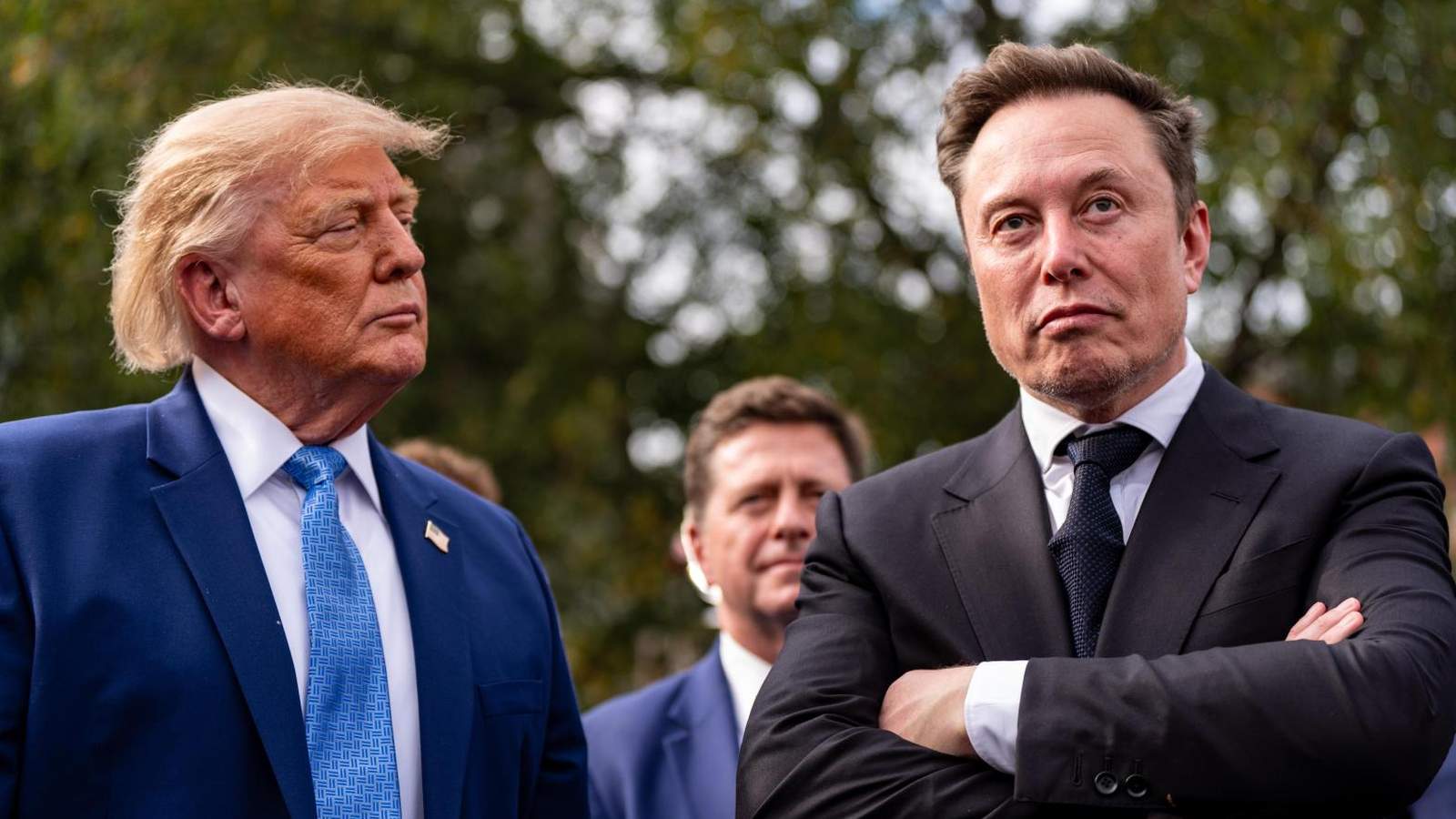
During The New York Times’ DealBook Summit on Wednesday, November 19, 2026, tech billionaire Elon Musk publicly distanced himself from Donald Trump’s “Make America Great Again” (MAGA) brand. The remarks followed a significant midterm election cycle in which Democrats secured control of both congressional chambers, flipping several long-standing Republican strongholds. Musk, who had previously emerged as one of the most prominent supporters of the Trump administration, stated that he is “not MAGA” and does not adhere to a policy of “blind adherence” to the Republican Party. The billionaire’s comments come after he poured more than $400 million into Republican-aligned candidates and causes during the 2026 election cycle. Reflecting on the outcome, Musk told columnist Andrew Sorkin that he feels “pretty foolish” for the scale of his financial intervention, noting that he did not see the results he anticipated. “Probably if I could rewind the clock, I would have spent less money,” Musk admitted during the summit, acknowledging that the election results demonstrate that “American elections are not just about money.”
The Scale of Campaign Spending
Musk’s financial footprint during the 2026 midterms was unprecedented. According to a Time report, Musk donated roughly $474 million between January 2025 and October 2026. This included $216 million to America PAC, his own super PAC, which funneled millions into high-profile races. A significant portion of these funds—nearly $47 million—was directed toward the Texas Senate campaign of Ken Paxton, who was ultimately defeated by Democrat James Talarico. This victory marked the first time in over three decades that a Democrat has won a statewide race in Texas. Furthermore, Musk contributed $5.5 million to Governor Greg Abbott’s reelection bid, which was also unsuccessful. Abbott lost the governorship to Democrat Gina Hinojosa. Despite previously labeling Hinojosa a “far-left extremist” on his platform X, Musk adopted a conciliatory tone during the Wednesday summit. He suggested that he now believes Hinojosa will govern as a “moderate” and stated that he expects “things will be fine in Texas” under her leadership. The scale of this spending underscored a deep, if ultimately unsuccessful, bet on the consolidation of Republican power, with Musk even having previously described himself as “dark gothic MAGA” during a rally in New York in October 2024.
Shifting Stakes for Silicon Valley
The Democratic sweep of Congress has created a new landscape for major tech firms and their executives. With Democrats poised to assume committee chairmanships and leadership roles, industry leaders are bracing for increased scrutiny regarding artificial intelligence, antitrust enforcement, and business dealings with the previous administration. Throughout 2025, Musk had served as an unofficial adviser to the Trump administration and led the Department of Government Efficiency (DOGE), a high-profile role that placed him at the center of federal cost-cutting efforts. The shift in power in Washington suggests that the legislative environment for companies like Tesla and SpaceX may become more adversarial. Congressional Democrats have signaled intentions to launch investigations into the overlap between private tech interests and government policy. As the political winds shift, Musk’s public retreat from the MAGA movement may be an attempt to reset his relationship with the incoming legislative majority, though the effectiveness of such a pivot remains to be seen as Democrats prepare their oversight agenda.
Legislative Threats and Regulatory Scrutiny
The political fallout extends far beyond Musk’s personal regret. Incoming Democratic lawmakers have expressed clear intentions to scrutinize the intersection of big business and political influence. Rep. Robert Garcia (D, Calif.), the incoming House Oversight chair, and Sen. Chris Van Hollen (D, Md.) have introduced legislation to close the so-called “Musk loophole” in campaign finance law. This proposal, if enacted, would extend the federal contractor contribution ban to include company executives and major shareholders, potentially barring individuals like Musk from making personal political contributions while their corporations hold significant federal contracts. Such a measure would fundamentally alter the relationship between tech titans and the federal government, which has awarded SpaceX approximately $10 billion in new contracts since Musk’s exit from his government-adjacent role in May 2025. Furthermore, the Democratic victory in Georgia, where Governor-elect Keisha Lance Bottoms defeated Republican billionaire Rick Jackson, has placed potential roadblocks on AI infrastructure. Bottoms has pledged to pause new data center construction and review industry tax breaks, directly impacting the operations of companies like xAI, which had previously secured a $10.1 million tax break in Atlanta for AI hardware. The prospect of these regulatory hurdles has left the tech sector in a state of high alert, as the industry navigates a transition from a favorable, deregulation-focused administration to one that has openly questioned the influence of trillionaire megadonors on the democratic process.
A Future Beyond Domestic Politics?
As the political environment in Washington becomes increasingly volatile for his business interests, Musk has hinted at looking elsewhere for his strategic focus. Shortly after 1:00 a.m. on November 4, as the midterm results were confirming a major setback for the Republican Party, Musk posted on his platform X that “Data centers in space looking pretty appealing right now.” This comment, while cryptic, reflects a broader disillusionment with the current state of domestic political outcomes. Having previously called the 2024 presidential victory a “fork in the road of human civilization,” Musk’s recent pivot suggests a recalibration of his public-facing political identity. Whether this retreat from the MAGA brand will suffice to insulate his corporate interests from the incoming Democratic legislative agenda remains the central question for Silicon Valley. With investigations into SpaceX’s federal contracts, potential antitrust scrutiny regarding a rumored Tesla-SpaceX merger, and ongoing debates over satellite internet restrictions in Ukraine, Musk’s challenges are only beginning. The shift in the midterm results has not only changed the balance of power in Congress but has effectively ended the era of unfettered access and influence that Musk enjoyed during the previous administration. As Democratic victors like James Talarico and Gina Hinojosa prepare to take office, the message to Silicon Valley is clear: the era of the billionaire-driven political agenda is under intense, and potentially corrective, scrutiny.
Reporting source: chicagotribune.com.