


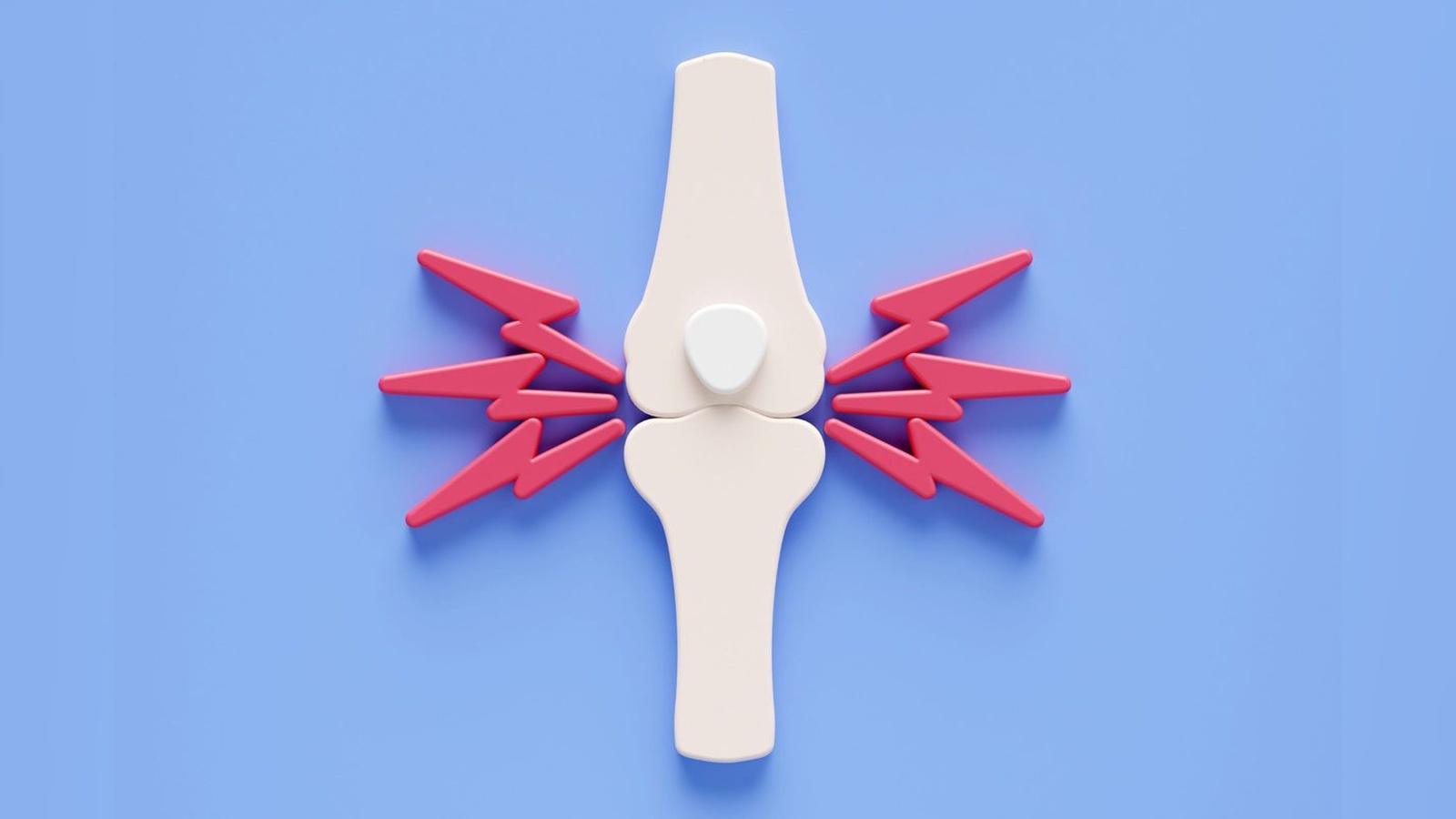
The Science of Winter Joint Sensitivity
As winter temperatures drop, many individuals report an increase in joint stiffness and discomfort, particularly those living with osteoarthritis or rheumatoid arthritis. According to DNYUZ, which published expert commentary on November 19, 2026, rheumatologists observe a distinct seasonal pattern in patient reports of joint flare-ups. While scientific consensus on the direct causal link between temperature and pain remains complex, experts point to specific physiological shifts that occur during colder months.
Dr. Marta Michalska-Smith, an assistant professor at the University of Minnesota Medical School, notes that synovial fluid—the substance that lubricates joints—may thicken in response to cold temperatures. This physical change is often compared to the thickening of motor oil in a vehicle, which creates increased resistance and friction between the ends of the bones. Furthermore, cold weather triggers vasoconstriction, where blood vessels narrow to retain body heat. This reduction in peripheral blood flow can limit the delivery of nutrients and oxygen to joint tissues while simultaneously slowing the removal of metabolic waste, potentially exacerbating inflammation. Beyond temperature, experts like rheumatologist Jon Taberner of Nuffield Health note that cold weather causes the body to prioritize blood circulation to core organs, further depriving extremities such as hands and feet of essential warmth and lubrication.
Environmental and Behavioral Factors
Beyond direct temperature effects, experts emphasize that the winter season introduces a constellation of variables that impact joint health. Dr. Alexa Meara, a rheumatologist at the Ohio State University Wexner Medical Center, suggests that the “real culprit” may be weather instability rather than cold alone. Fluctuations in barometric pressure, which often precede storm systems, are frequently associated with increased joint swelling. High humidity and shifts in indoor air quality, such as the use of central heating, also play roles in how joints respond to the season. Physiotherapist Ben Lombard notes that these pressure drops can cause muscles and tendons to exert additional force on the joints, compounding existing discomfort.
Lifestyle changes represent a significant, yet modifiable, factor. During the winter, individuals often reduce their physical activity, opting for sedentary indoor routines. This lack of movement creates a “vicious cycle”: stiffness leads to inactivity, which in turn causes further loss of range of motion and increased pain when the individual eventually attempts to move. Additionally, the reduction in daylight hours can impact mental health; research indicates that lowered mood states may increase an individual’s sensitivity to pain signals. Deborah Grayson, a pharmacist and nutritional therapist, highlights that the psychological toll of darker, colder months can lead to a lower pain threshold, making existing joint issues feel more pronounced.
Clinical Perspectives on Pain Thresholds
The complexity of joint pain often involves more than mechanical issues. For many patients, the winter season acts as a stress test for existing conditions. Dr. Rod Hughes, a rheumatologist with over two decades of clinical experience, notes that the impact of low-pressure weather patterns can physically affect inflamed areas like knees, hips, and hands. He emphasizes that the sensation of “stiffness” is often a result of the body’s attempt to protect itself, but this protection ultimately limits mobility. For those with chronic conditions, this seasonal shift is a documented phenomenon, yet it is rarely the result of a single factor. Instead, it is the cumulative effect of reduced hydration, lower activity levels, and environmental pressure changes that force patients to re-evaluate their management strategies annually.
Actionable Management Strategies
To mitigate these seasonal challenges, medical professionals recommend a proactive management approach. For those with diagnosed conditions, adhering to a pre-established “flare plan”—which may include over-the-counter anti-inflammatory medications like ibuprofen, acetaminophen, or naproxen—is essential. Pharmacists and physicians emphasize that these medications are intended to provide relief during acute spikes in discomfort, allowing patients to remain mobile. Topical treatments, such as diclofenac gels, are also cited as safe, accessible options for localized relief that bypass some of the systemic side effects of oral medications.
Physical movement remains the most critical intervention for maintaining joint health. Experts suggest that even when outdoor conditions are prohibitive, low-impact indoor exercises such as tai chi, chair yoga, or stretching can help lubricate joint spaces and improve blood flow. Performing these movements in the morning can be particularly effective at addressing the stiffness that often accumulates overnight, which surgeon Mr. Andrew Pearse describes as the “glueing” effect of worn cartilage surfaces. Furthermore, maintaining warmth through layering, heated clothing, or the use of heated blankets can support better circulation and flexibility.
Dietary adjustments are also recognized as a supportive measure. While research is ongoing, the American College of Rheumatology recommends a Mediterranean-style diet—rich in fruits, vegetables, whole grains, and healthy fats—as an integrative intervention for managing inflammation. By combining these lifestyle strategies—such as staying hydrated to support synovial fluid viscosity and engaging in consistent, gentle activity—with regular medical oversight, patients can better navigate the physiological stresses imposed by the winter season. When pain persists for more than 24 to 48 hours, or if symptoms include redness, heat, or swelling, experts advise contacting a specialist to ensure that the flare-up is not a sign of underlying disease progression.