


England’s 2026 World Cup campaign ended in heartbreak in Atlanta on Wednesday, as the Three Lions surrendered a 1-0 lead to fall 2-1 to Argentina in the semi-finals. Anthony Gordon’s 55th-minute opener provided hope, but a late surge from the defending champions—resulting in goals from Enzo Fernandez and Lautaro Martinez—secured Argentina’s place in the final against Spain.
The Tactical Debate
The post-match fallout has centered on manager Thomas Tuchel’s decision to retreat into a defensive shell after taking the lead. While Tuchel maintained he had “no regrets” and insisted the issue was not structural, the consensus among pundits and players suggests a failure of nerve. Captain Harry Kane admitted that “trying to hold on” backfired, noting that England struggled to maintain pressure as the game progressed.
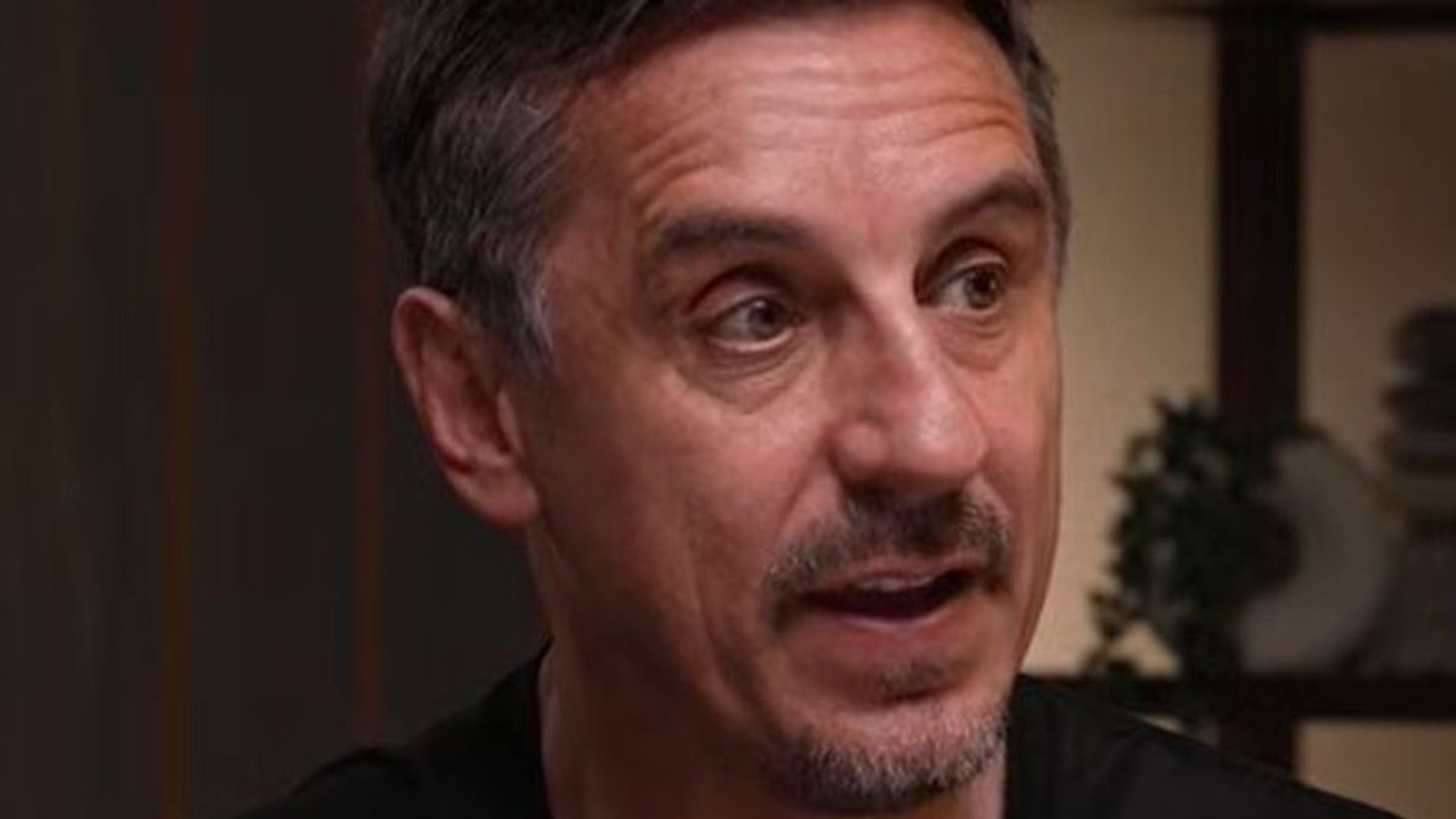
This frustration boiled over during an episode of the Stick to Football podcast, where former England defender Gary Neville and ex-Republic of Ireland captain Roy Keane engaged in an explosive disagreement. Neville, focusing on tactical positioning, argued that England failed to adequately track Lionel Messi, allowing him too much space to deliver dangerous crosses. “Stand next to him so he can’t get it there,” Neville asserted, critiquing the team’s defensive discipline.
Keane, however, dismissed the hyper-fixation on tactical minutiae in the face of poor individual performance. “Football’s not like that,” Keane retorted, pointing out that England’s defensive lapses were rooted in a lack of concentration and physical fatigue rather than just positioning. He noted that the initial equalizer stemmed from a set-piece error, arguing that players simply “switched off” at a critical juncture.
Institutional Stakes
The intensity of the debate reflects the broader frustration surrounding England’s recurring inability to close out major tournament games. Critics, including former players Jamie O’Hara and Chris Sutton, have labeled the tactical shift—specifically the move to a back five—a “coaching catastrophe.” The narrative that England possessed the superior squad but lacked the “courage and bravery” to control possession under pressure, as highlighted by Michael Owen, has become a dominant theme in the inquest.
As England prepares for a third-place playoff against France, the Football Association faces mounting pressure to address why, despite changing leadership, the team consistently reverts to a passive defensive posture when leading against elite opposition. For Tuchel, the challenge will be to justify his methodology to an increasingly skeptical public that expected a more proactive approach in the tournament’s final stages.