


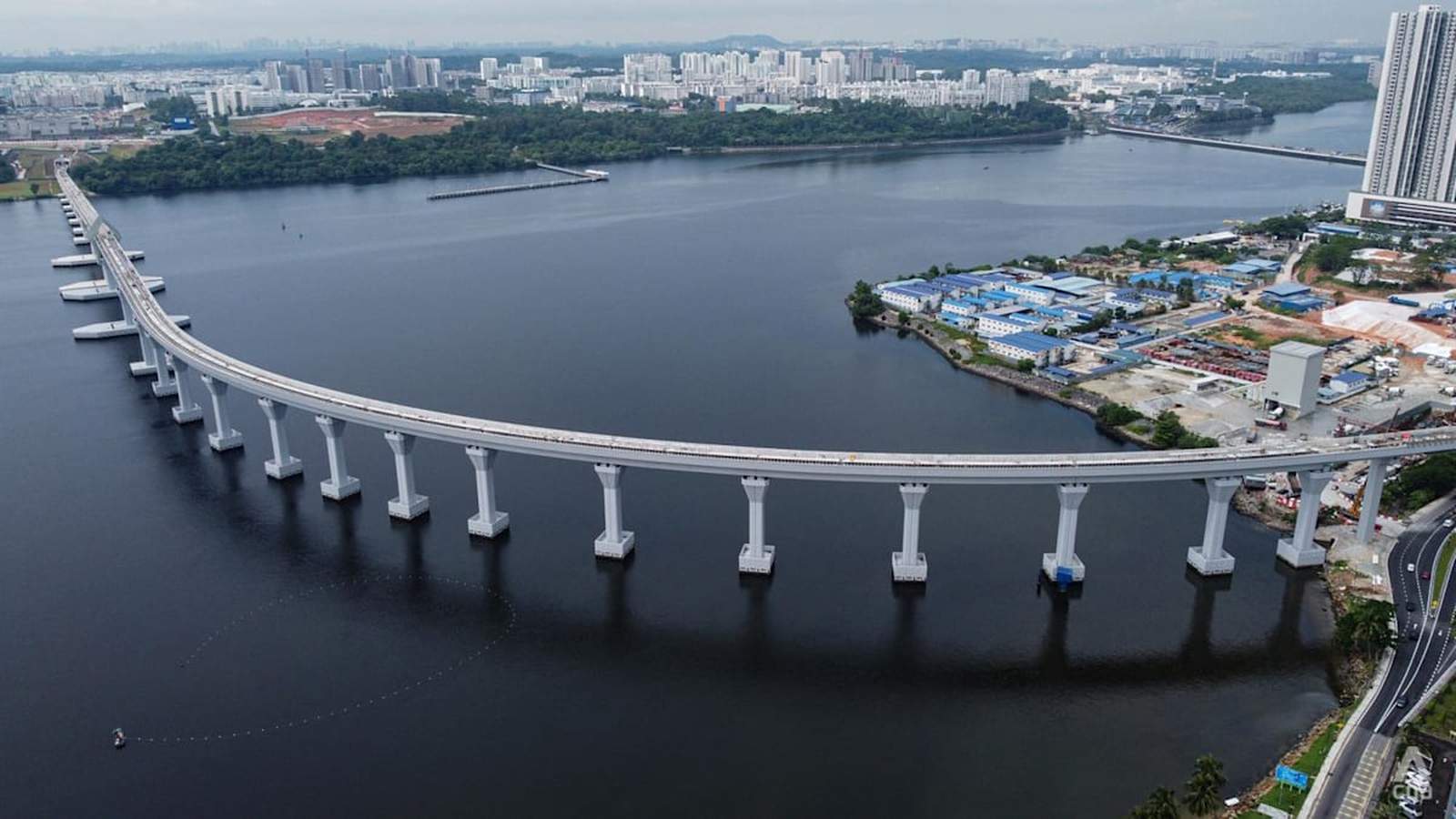
The upcoming Johor Bahru-Singapore Rapid Transit System (RTS) Link, scheduled for completion in January 2027, is projected to fundamentally reshape cross-border consumer behavior. According to a joint study released on July 16 by the Singapore Business Federation (SBF), the Restaurant Association of Singapore (RAS), and the Singapore Retailers Association (SRA), Singaporean residents are expected to increase their annual spending in Johor Bahru (JB) by S$1.05 billion.
The study, which incorporates transaction data from Mastercard and surveys of 1,700 Singaporean and 400 Malaysian consumers, suggests that this outbound spending surge will outpace the anticipated S$756 million increase in spending by JB visitors within Singapore. The net result is a projected S$290 million shift in consumer expenditure away from Singapore’s domestic retail and F&B sectors annually.
Structural Shifts in Consumer Flows
The RTS Link is set to facilitate an additional 11.2 million round trips from Singapore to JB each year, marking a 51 per cent increase in outbound travel. Currently, consumers primarily cross the border for groceries, pharmaceuticals, dining, and beauty services—sectors where price differentials between the two cities are most pronounced. Industry experts characterize this transition as a structural shift rather than a temporary trend, driven by the increased accessibility of the new rail connection.
While outbound travel is expected to rise, the study notes that JB residents are also increasingly drawn to Singapore for premium retail, entertainment, and lifestyle events. Approximately 34 per cent of surveyed JB residents indicated a desire to visit Singapore for major events post-launch, potentially providing a secondary boost to Singapore’s central retail districts.
Industry and Policy Response
Local businesses, particularly SMEs, have expressed concerns regarding intensified competition from lower-priced JB retailers. SBF chief executive Kok Ping Soon emphasized that Singaporean firms cannot compete on price alone and must focus on service quality, innovation, and customer experience. To mitigate the impact, industry associations have proposed several policy interventions to the government, including:
- Expanding the Community Development Council (CDC) voucher scheme to cover sectors most vulnerable to outbound spending.
- Providing temporary property tax relief for retail tenants undergoing significant upgrading projects.
- Introducing greater flexibility in foreign manpower policies to help businesses maintain service standards amidst rising operational costs.
The findings have been submitted to the Ministry of Trade and Industry, highlighting a broader need for collaboration between landlords, trade associations, and government bodies to ensure that Singapore’s retail and F&B sectors remain competitive in an increasingly interconnected regional market.