


A Shift From Fringe Preparedness to Mainstream Reality
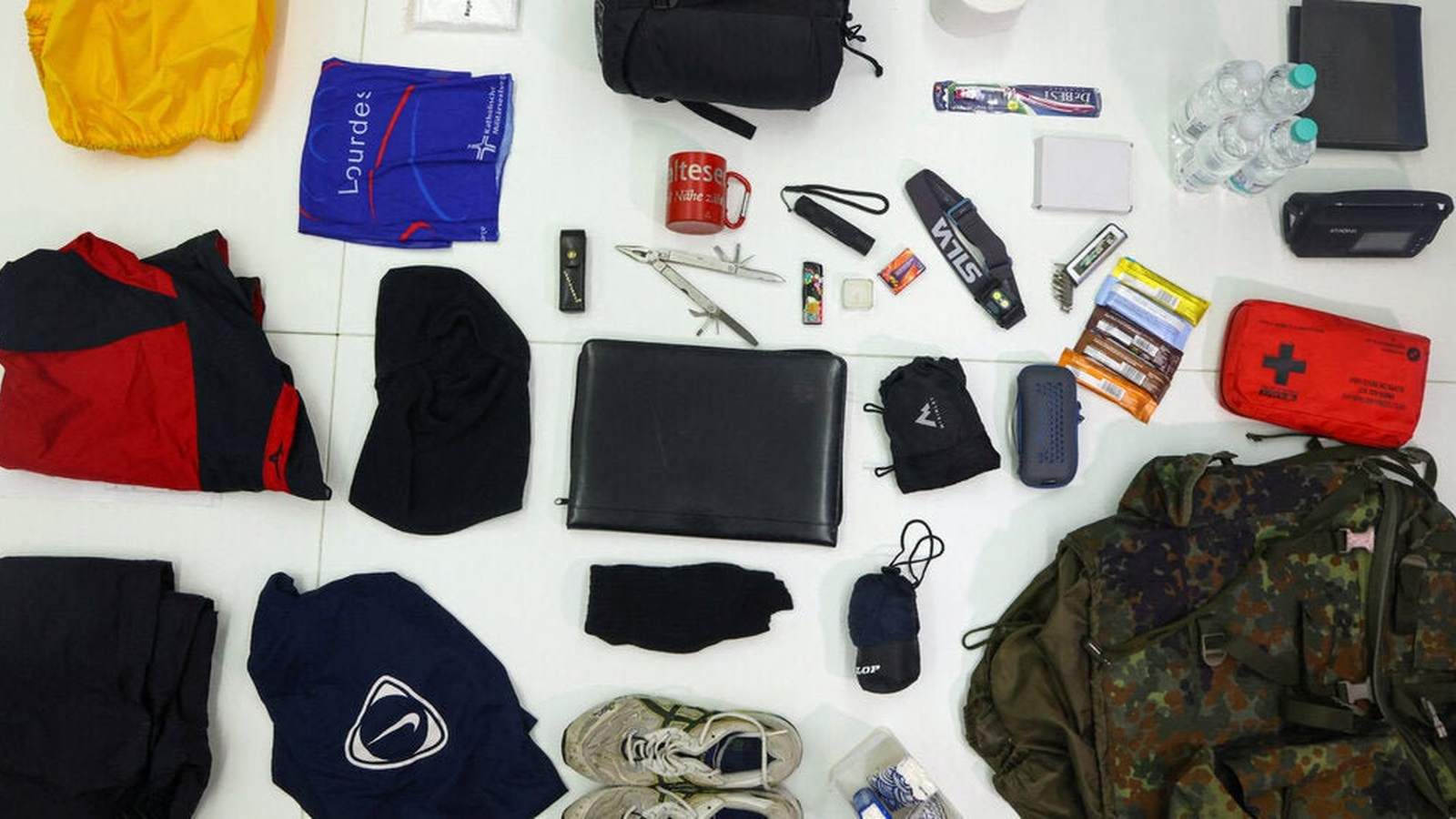
Across Europe, a convergence of digital disruptions, cyberattacks, hoax bomb threats, and extreme weather events is pushing ordinary citizens to assemble emergency kits and stockpile household essentials. Reported by Newsefir, this movement marks a sharp transition for preparedness practices once largely confined to dedicated survivalist subcultures. National governments are actively amplifying the trend through updated public awareness campaigns and advisory checklists urging households to prepare for potential disruptions to critical services.
Retail markets have registered immediate impacts from the behavioral shift. Sales of tinned foods, long-life shelf-stable milk, and physical paper maps have surged across multiple countries. According to Newsefir, the Office for National Statistics reported that these retail purchases were robust enough to lift overall monthly retail figures in the United Kingdom. Grocery chains and specialized commercial suppliers are responding by introducing pre-packaged disaster kits, while commercial marketing increasingly targets broader demographics, including women and older citizens.
Security Triggers and Government Advisories
The surge in civilian readiness follows a succession of high-profile security incidents and infrastructure strains. In late October, the British government launched an updated preparedness campaign dubbed “Be Ready.” Daniel Monger, a 24-year-old resident of the English Midlands cited by Newsefir, noted that the official advisory served as a wake-up call after he experienced difficulty sourcing emergency supplies independently.
Government warnings coincided with a coordinated cyberattack that disabled supermarket refrigeration systems across eight European countries. Simultaneously, a global Microsoft outage disrupted email access for government agencies and hospitals. In Italy, Ireland, Poland, and other nations, a wave of hoax bomb threats grounded flights and forced thousands of school evacuations. These disruptions compounded an underlying sense of institutional and infrastructural precariousness across the continent.
Continental Policy Shifts and Cross-Border Responses
European states have progressively overhauled their civil defense frameworks in response to heightened regional tensions. Following Russia’s full-scale invasion of Ukraine, Nordic and Baltic nations updated their crisis guidance. Sweden conducted civil defense exercises, while Finland announced plans to distribute comprehensive household preparedness guides.
France revised its 72-hour emergency kit recommendations in September to include spare prescription glasses, backup keys, and games. Ireland similarly began distributing national emergency guides to millions of households after severe storms left a significant portion of the population without power. Furthermore, the European Union has outlined plans to establish an annual Preparedness Day to institutionalize civilian resilience across member states.