


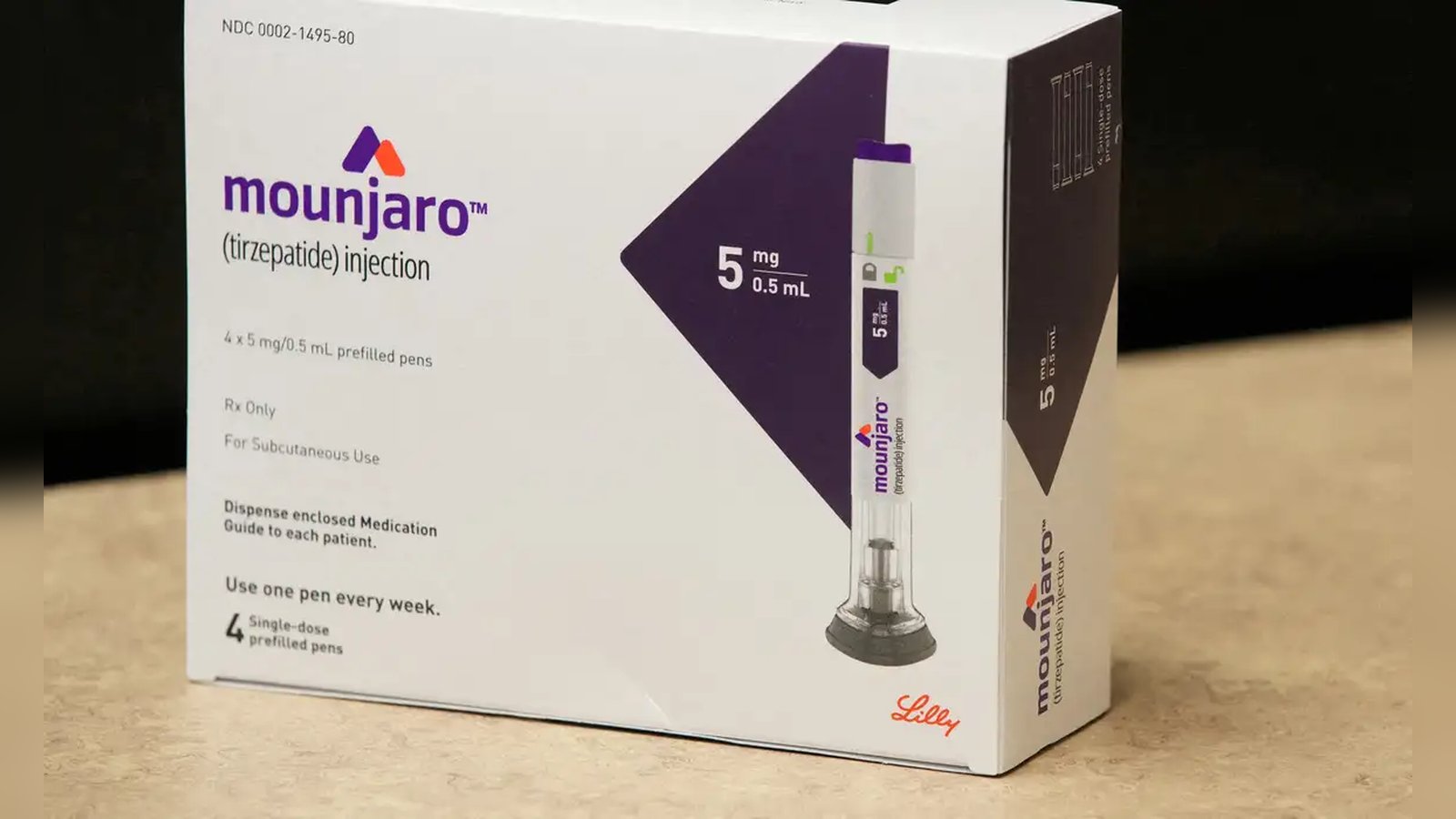
New Indication for Mounjaro
The U.S. Food and Drug Administration (FDA) has officially approved Eli Lilly’s Mounjaro (tirzepatide) for a new indication: reducing the risk of major adverse cardiovascular events (MACE-3), including heart attack, stroke, and cardiovascular death, in adults with type 2 diabetes who are at high risk for these events. This expansion adds a critical protective dimension to the medication, which was previously indicated primarily for glycemic control and weight management.
Heart disease remains the leading cause of death for individuals living with type 2 diabetes. With this approval, Mounjaro becomes the first GIP and GLP-1 receptor agonist proven to provide this specific cardiovascular benefit alongside its established metabolic effects. The decision follows a rigorous multi-year clinical assessment aimed at establishing the drug’s safety and efficacy profile in a high-risk population.
Clinical Evidence: The SURPASS-CVOT Trial
The regulatory approval is rooted in the findings of the SURPASS-CVOT trial, the largest and longest study of tirzepatide to date. Spanning over four and a half years and involving more than 13,000 participants across 30 countries, the trial was designed as an event-driven, randomized, double-blind study. Unlike many previous cardiovascular outcomes trials that relied on placebo comparisons, SURPASS-CVOT conducted a head-to-head evaluation against Trulicity (dulaglutide), an established GLP-1 treatment with known cardiovascular benefits.
The results demonstrated that Mounjaro is non-inferior to Trulicity in reducing the occurrence of major adverse cardiovascular events. Data indicated an 8% lower rate of MACE-3 events among those treated with Mounjaro compared to the control group. The estimated hazard ratio for time to first MACE was 0.92, with a 95.3% confidence interval ranging from 0.83 to 1.01. While the trial confirmed non-inferiority, superiority over Trulicity was not established.
Safety Profile and Clinical Considerations
The safety and tolerability profile reported in the SURPASS-CVOT trial remained consistent with previously established data for the drug. The most frequently reported adverse events were gastrointestinal in nature, including nausea, diarrhea, and vomiting, which typically occurred during the initial dose-escalation phase.
The FDA’s prescribing information includes standard warnings for this class of medication, including risks associated with thyroid C-cell tumors. Patients with a personal or family history of medullary thyroid carcinoma (MTC) or Multiple Endocrine Neoplasia syndrome type 2 (MEN 2) are contraindicated for use. Healthcare providers are advised to monitor patients for symptoms such as persistent abdominal pain, which may signal complications like pancreatitis, and to ensure adequate hydration to mitigate potential kidney-related issues stemming from severe gastrointestinal side effects.