


Federal Agents Open Fire in Chicago: What Happened?
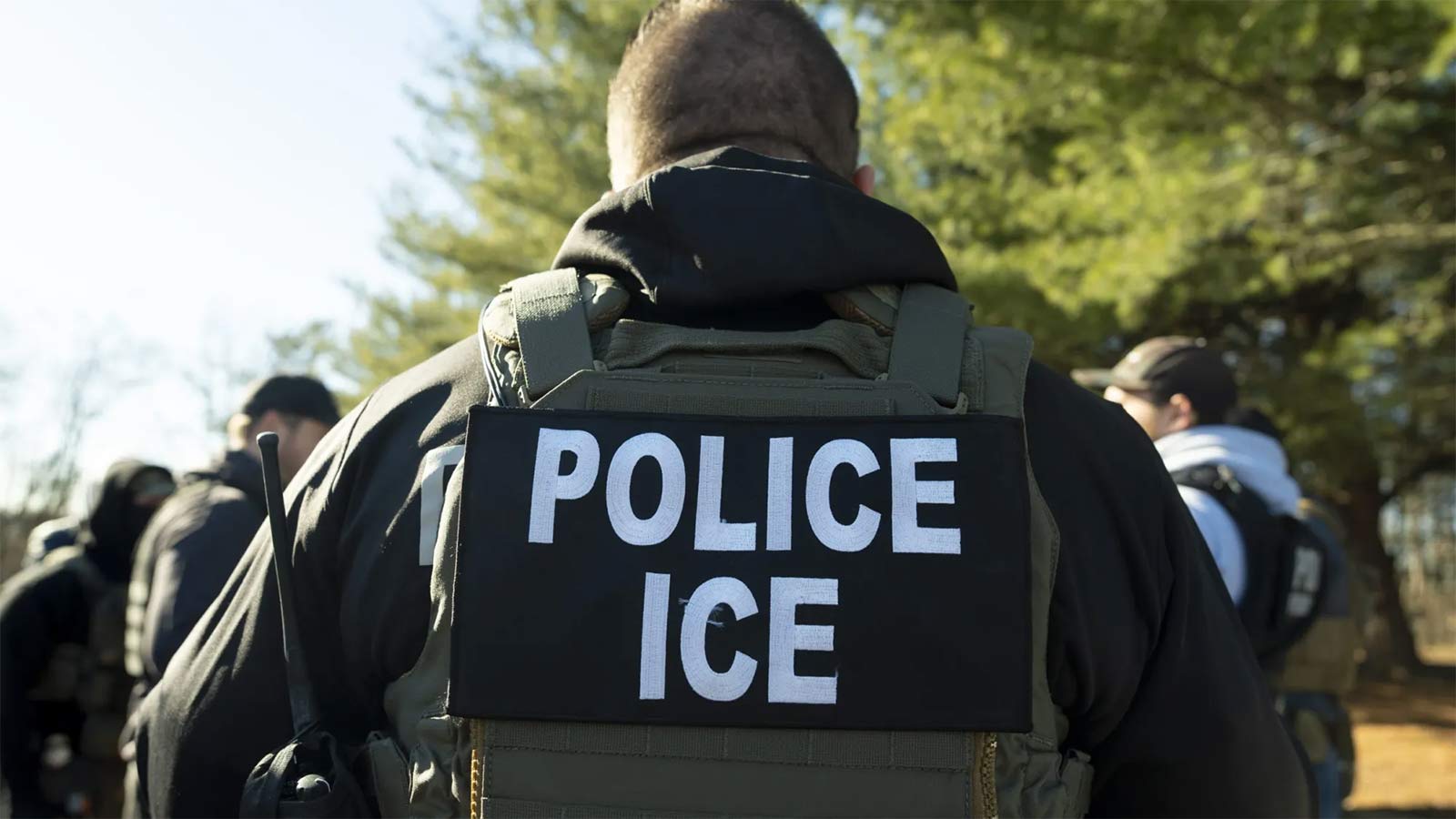
On a quiet afternoon in Chicago, a sudden burst of gunfire shattered the routine of an otherwise ordinary neighborhood. Federal agents, acting as part of a larger operation, shot a local woman—an event that has swiftly moved from private tragedy to public controversy. The details, still emerging, have left residents and officials grappling with difficult questions about law enforcement, accountability, and the lived experiences of those caught in the crossfire.
While the names of those involved have not been officially released, initial statements from authorities indicate that the shooting occurred during the execution of a federal warrant. The agents reportedly encountered the woman inside a residential building. According to preliminary police accounts, she was shot after what authorities describe as a ‘tense confrontation.’
The incident has sent ripples through Chicago, a city already familiar with complex discussions around policing and community trust. As news spread, local leaders and advocacy groups began calling for transparency and a thorough investigation, emphasizing the need for clear answers and justice for all involved.
Law Enforcement Response and Public Reaction
Immediately following the shooting, federal officials issued brief statements confirming the involvement of their agents and pledging cooperation with local authorities. The Chicago Police Department was quick to cordon off the area, restricting access as forensic teams began collecting evidence and interviewing witnesses.
Residents in the neighborhood reported seeing a significant law enforcement presence, with marked and unmarked vehicles lining the streets. Some described confusion and fear, as police helicopters hovered overhead and officers moved door to door. For many, the experience was a stark reminder of how quickly daily life can be upended by forceful interventions.
Community leaders, including city council members and faith organizations, have urged calm but also pressed for answers. “We want accountability. We want the truth,” said one local pastor, speaking to reporters gathered outside the scene. Advocacy groups have organized vigils and called for an independent review of the shooting, echoing broader national debates about the role and conduct of federal law enforcement agencies in urban communities.
Background: Federal Operations and Local Tensions
This shooting comes at a time when federal involvement in city policing is under intense scrutiny. In recent years, Chicago has seen periodic deployments of federal agents, often justified by spikes in violent crime or specific criminal investigations. These interventions have sometimes led to friction with local authorities and residents, who worry about the potential for escalation and the erosion of local oversight.
According to sources cited by Reuters, federal operations in major cities are typically coordinated with local police, but the chain of command and rules of engagement can vary significantly. The lack of uniform standards has been a point of contention, with critics arguing that it can lead to confusion and tragic outcomes—such as the shooting that occurred in Chicago.
Legal experts point out that federal agents operate under different protocols than city police. Use-of-force policies, training requirements, and accountability mechanisms all differ, sometimes creating gaps in oversight when incidents occur. “This isn’t just about one shooting,” notes a criminal justice scholar at a local university. “It’s about the systems that shape how these agents interact with the communities they’re supposed to serve.”
Investigation and Calls for Change
As the investigation into the shooting unfolds, federal and local authorities have promised to release body camera footage and other evidence to the public. The mayor’s office has called for an independent inquiry, and several city council members have pledged to review existing policies governing joint operations between federal and municipal agencies.
Legal proceedings are likely to follow, with the possibility of civil litigation if evidence suggests excessive or unjustified use of force. The woman’s family, through their attorney, has already signaled their intent to seek justice, stating that “no one should be shot in their own home without clear justification.”
For many Chicagoans, the incident has reignited longstanding debates about police reform, oversight, and the need for community-driven solutions. Some are calling for limits on federal operations within city boundaries, while others argue for better training and clearer guidelines to prevent similar tragedies in the future.
As the story continues to unfold, one thing is clear: the shooting has become more than an isolated event. It is a catalyst for broader conversations about safety, justice, and the balance of power in American cities.
Assessment: The shooting of a Chicago woman by federal agents exposes deep-seated tensions between law enforcement and communities, highlighting the urgent need for transparency and reform. The facts underscore how quickly a single incident can amplify mistrust and demand systemic change, urging city and federal leaders to confront hard questions about accountability and the real impact of their actions.