


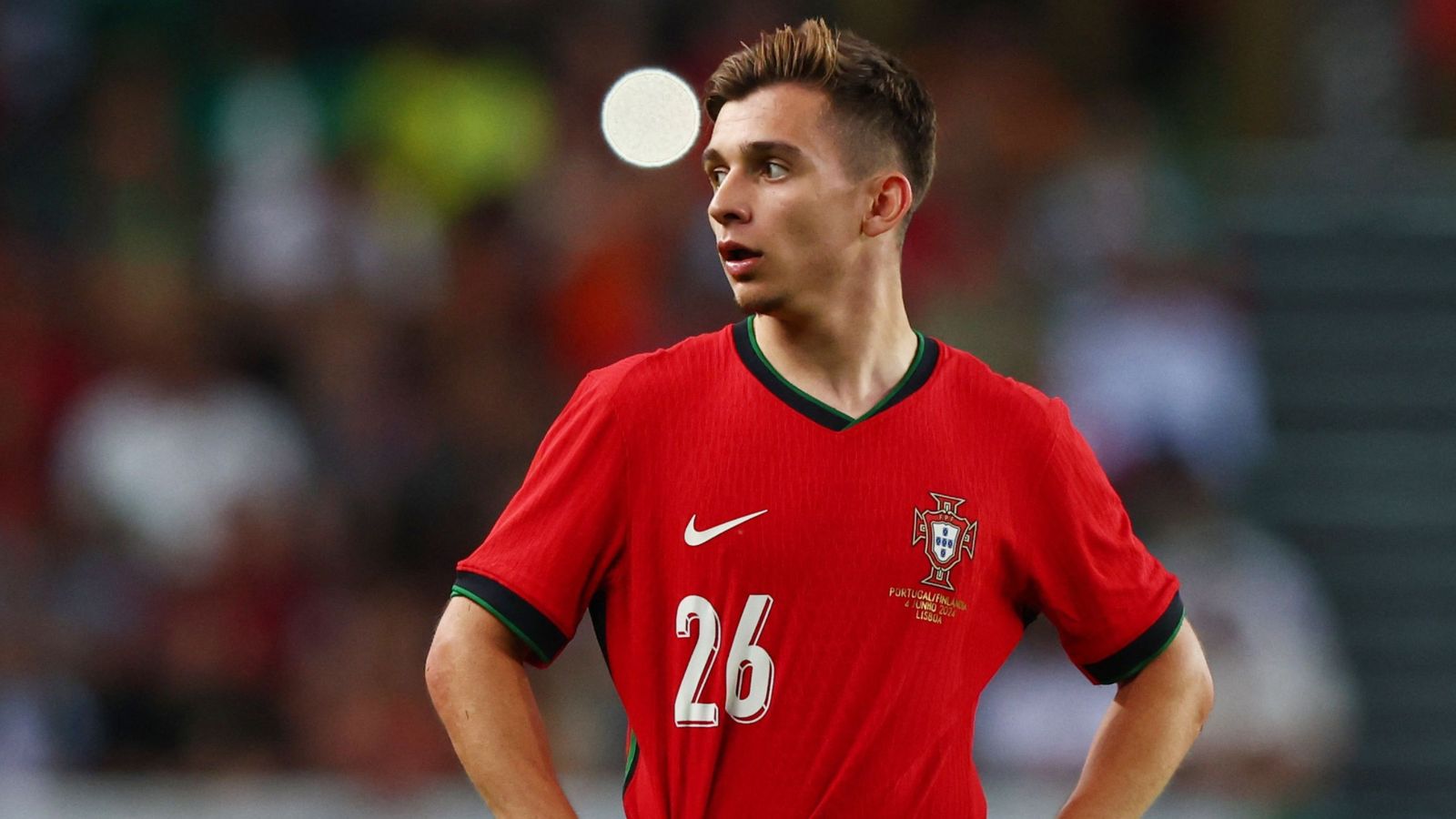
In the wake of Portugal’s dominant 5-0 victory over Uzbekistan in the 2026 World Cup, the focus has shifted from the record-breaking performance of Cristiano Ronaldo to the emerging influence of younger talents like Francisco Conceição. While Ronaldo silenced critics with a first-half brace, the tactical discourse surrounding the team is evolving, driven by candid assessments from the squad’s rising stars.
The Tactical Dilemma
For years, Portugal’s offensive structure has been built around the singular gravity of Cristiano Ronaldo. However, following a disappointing 1-1 draw against the Democratic Republic of the Congo, pressure mounted on manager Roberto Martínez to reconsider his reliance on the legendary forward. The subsequent 5-0 rout of Uzbekistan served as a temporary reprieve, yet internal conversations regarding the team’s future are gaining momentum.
Francisco Conceição, who has finalized a permanent move to Juventus, has become a focal point of this discussion. Observers note that his development in Serie A has equipped him with a disciplined, tactical approach that contrasts with the traditional Portuguese reliance on individual brilliance. His recent public comments regarding the team’s over-dependence on Ronaldo have sparked debate about whether the Seleção can sustain its elite status by diversifying its offensive output.
The Juventus Factor
Conceição’s transition to Juventus has been characterized by a maturation of his playstyle. Under the rigorous tactical environment of Italian football, he has evolved from a raw winger into a player capable of dictating the pace of play. This growth is essential for Portugal, which must navigate a post-Ronaldo era in the coming years. His ability to create space and draw defenders—acting as a modern playmaker—provides Martínez with a viable alternative to the static reliance on a focal point striker.
Looking Ahead
The stakes for Portugal remain high as they head into their group-stage finale against Colombia in Miami. While Ronaldo’s 145th international goal provided a morale boost, the long-term success of this campaign may depend on the team’s ability to integrate voices like Conceição’s into their tactical framework. If Portugal continues to rely solely on set pieces and individual flashes, they risk vulnerability against higher-caliber opponents in the knockout stages.