


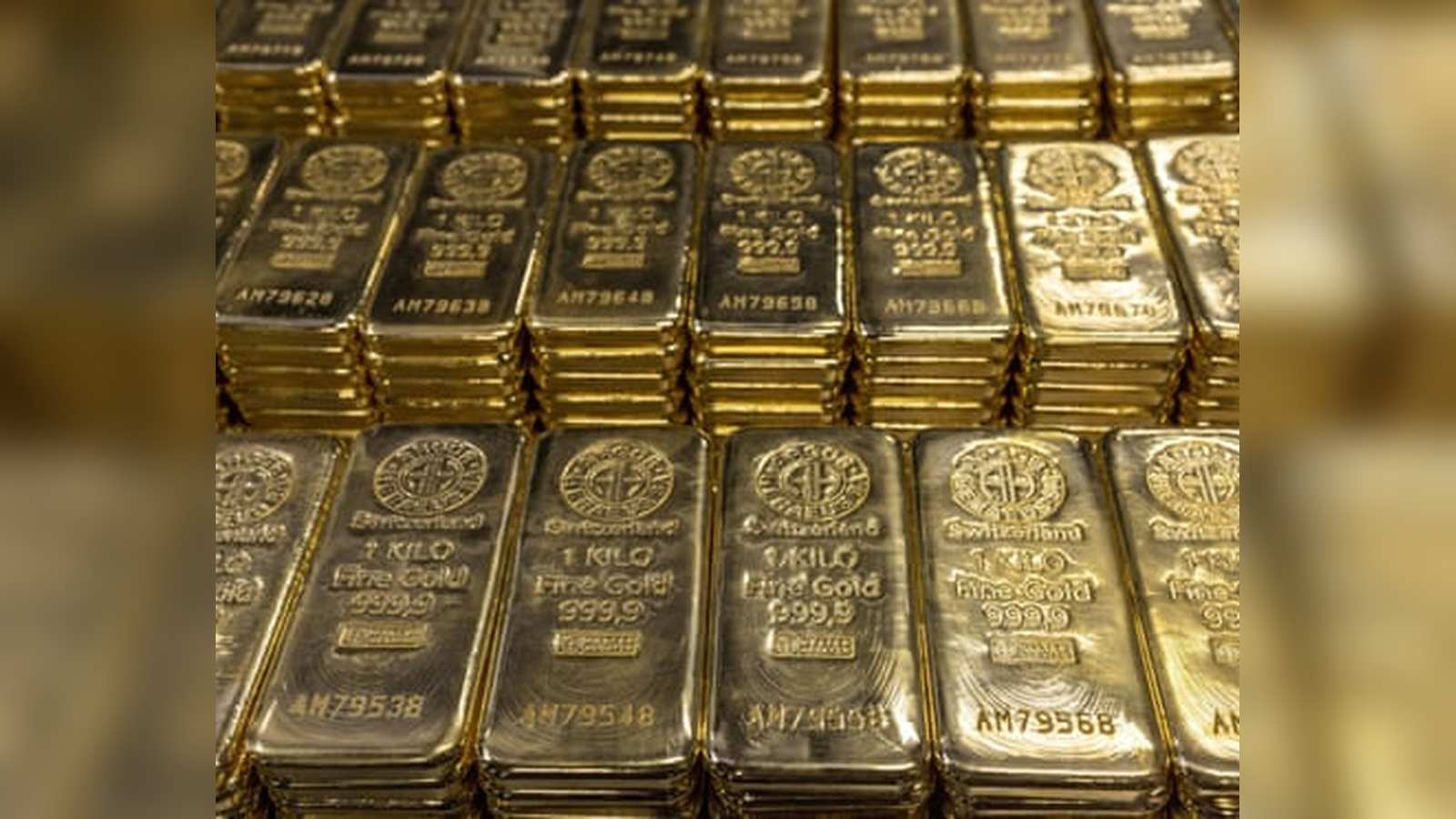
Gold prices surged toward historical thresholds on Tuesday, approaching $4,700 an ounce to mark their highest level since mid-May. This rally, which places the precious metal on track for its strongest monthly performance since September 1999, is being propelled by a complex convergence of domestic U.S. fiscal interventions, escalating trade disputes with key partners, and a breakdown in Middle Eastern security arrangements. As long-term Treasury yields retreat and the U.S. dollar softens, institutional investors are aggressively rotating back into tangible safe havens, driving a structural shift across global capital markets.
Fiscal Interventions and Yield Dynamics
The primary financial catalyst for Tuesday’s surge was the U.S. Treasury Department’s recent decision to expand its sovereign bond buyback program. This policy intervention, designed to inject liquidity and stabilize the government debt market, has paradoxically triggered a sharp decline in long-term Treasury yields. Because gold is a non-yielding asset, falling yields significantly reduce the opportunity cost of holding the metal, making it highly attractive to yield-sensitive institutional funds. Following the Treasury’s announcement last week, spot gold prices jumped by 3%, according to data compiled by the World Gold Council.
This report draws on information published by The Guardian.
Spot gold reached an intraday peak of $4,696.18 per ounce before experiencing a minor technical pullback. This upward momentum has been further amplified by mounting expectations regarding the Federal Reserve’s policy trajectory. Market participants have largely priced out any potential interest rate hikes for September, pointing to softer domestic economic indicators—though analysts note these figures have been somewhat distorted by seasonal factors and summer disruptions. Investors are now closely awaiting a highly anticipated policy address from the newly appointed Federal Reserve Chair, Kevin Warsh, searching for definitive signals on the central bank’s long-term monetary strategy amid deep anxieties over inflation and federal spending plans.
Trade Frictions and Geopolitical Catalyst
Beyond technical market dynamics, a sharp deterioration in international relations has fueled the safe-haven bid. The global gold rally, which originally gathered historic momentum in 2025 following the initial implementation of broad U.S. import tariffs, has found fresh fuel in recent trade policy shifts. The administration’s announcement of new tariffs on automobiles and critical raw materials imported from Canada has severely strained relations between the neighboring trade partners, raising fears of supply chain disruptions and structural domestic inflation.
Simultaneously, geopolitical risks in the Middle East have escalated following the formal end of the U.S.-Iran ceasefire. The collapse of the temporary truce has renewed fears of naval blockades in the Strait of Hormuz—a vital global energy chokepoint—and prompted Washington to threaten severe secondary sanctions against any nation or corporate entity maintaining economic relations with Tehran. This dual-front tension of trade wars and potential military conflict has driven a massive wave of risk-aversion, pushing capital away from fiat currencies and equity markets directly into hard assets.
Institutional Capital Inflows and the Hard Asset Correlation
The sudden shift in investor sentiment is clearly reflected in physical and derivative backing. According to the World Gold Council, global gold-backed exchange-traded funds (ETFs) recorded $3 billion in net inflows in July, ending a grueling four-month streak of consecutive capital outflows. This reversal expanded global ETF holdings by 23 metric tons, bringing total holdings to 4,068 tons and elevating total assets under management to $530 billion. Geographically, European funds led the charge with $2 billion in net inflows, followed by Asian funds at $616 million, while North American investors contributed a modest $71 million.
This institutional shift is occurring alongside an unusual alignment in the digital asset space. Bitcoin rallied in tandem with gold on Tuesday, crossing the $80,000 threshold for the first time in three months to peak at $81,237. Data analyzed by CryptoQuant Chief Executive Ki Young Ju indicates that Bitcoin’s 90-day correlation with gold has swung from deeply negative territory in early 2026 to strongly positive today, reviving debates over the “digital gold” thesis.
While some market strategists view this joint rally as definitive proof of a systemic “debasement trade” driven by fiscal credibility concerns, others urge caution. Jake Kennis, a senior research analyst at Nansen, noted that while a weaker dollar and rising hard assets are consistent with fiscal anxieties, a softer dollar accompanied by elevated term premiums can also reflect shifting growth expectations and localized inflation uncertainty. Whether this correlation represents a permanent structural shift in global reserve preferences or a temporary speculative alignment remains a critical debate for the coming quarters.