


A Contested Anniversary
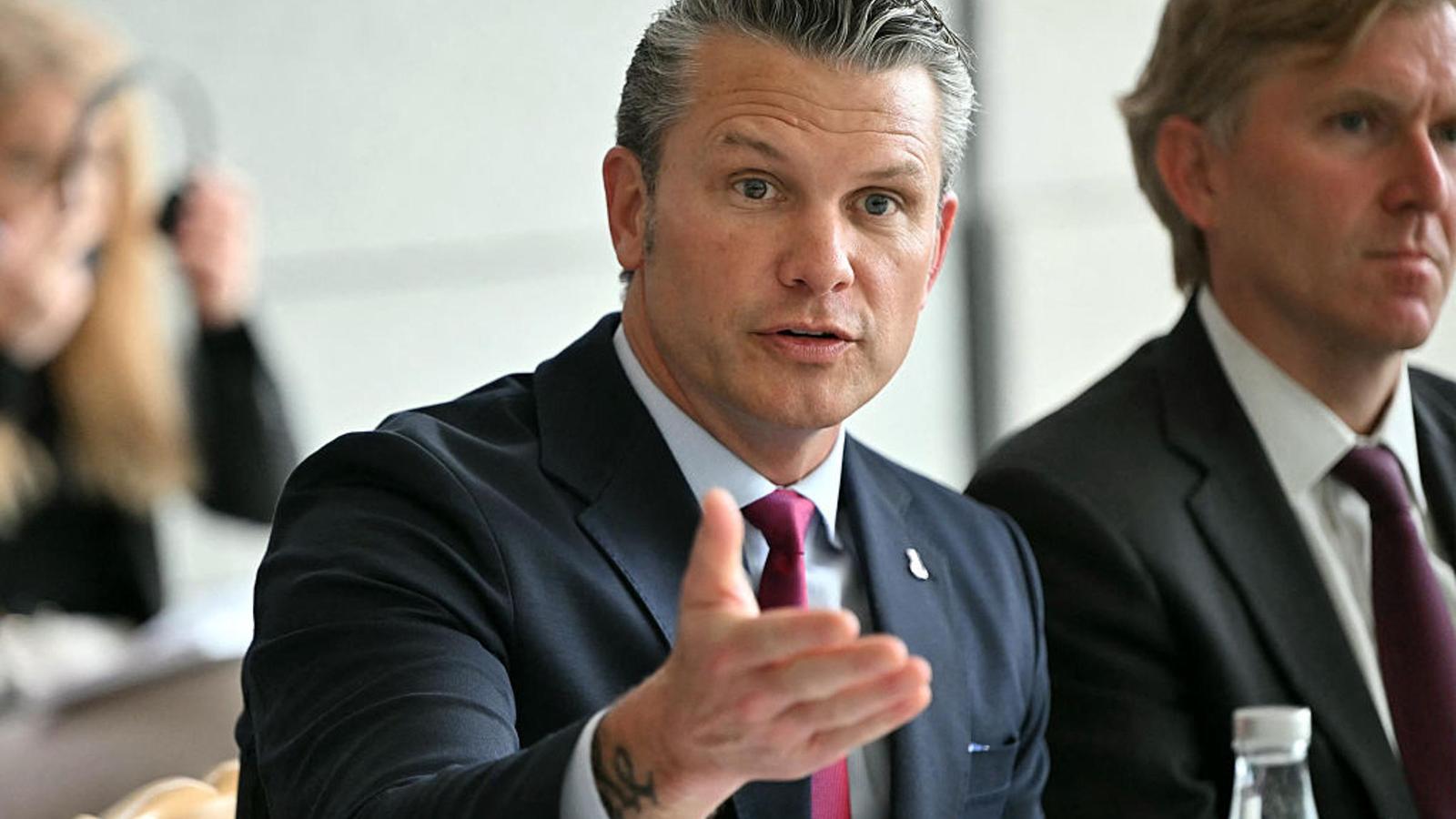
US Defense Secretary Pete Hegseth sparked significant diplomatic tension on Saturday by using a commemorative speech marking the 82nd anniversary of the D-Day landings in Normandy, France, to launch a sharp critique of European immigration policy. Standing at the Normandy American Cemetery, Hegseth characterized the arrival of migrants in Mediterranean nations as an “invasion” of “dangerous ideologies.”
“Beaches in Spain, in Italy, in Greece and Bulgaria. Boats and men arrive,” Hegseth stated during his address. “When will European capitals do something about that invasion?” The remarks, intended to draw parallels between the liberation of Europe in 1944 and contemporary challenges, were quickly criticized by European observers as an inappropriate politicization of a solemn historical anniversary.
A Pattern of Administration Criticism
Hegseth’s comments align with a broader, confrontational stance maintained by the Trump administration toward European allies. Only a day prior, US Vice President JD Vance publicly blamed “mass migration” for the murder of British student Henry Nowak. British authorities and the Crown Prosecution Service subsequently confirmed that the convicted perpetrator, Vickrum Digwa, was born in the UK, leading to accusations from Downing Street that US officials are attempting to interfere in domestic democratic processes by fueling social division.
The administration’s rhetoric is codified in its December National Security Strategy, which warned that Europe faced “civilizational erasure” due to migration trends and economic decline. This framing has shifted the tone of transatlantic relations, prompting European leaders to increasingly discuss the need for strategic autonomy and a reduced reliance on US security guarantees.
Analysis: The Geopolitical Stakes
The hardening of rhetoric from Washington represents a pivot away from traditional post-WWII diplomatic decorum. By framing migration as a “civilizational” threat, the Trump administration is signaling a shift toward an “America First” security posture that views European internal policies not merely as local matters, but as liabilities to the Western security architecture.
For European capitals, the challenge is twofold: managing legitimate public concerns regarding migration—which have seen a surge in support for hardline nationalist parties—while simultaneously resisting the external pressure from their primary security partner. The frequent interference by US officials in domestic European affairs, often based on inaccurate premises as seen in the Vance-Nowak case, is fostering a sense of alienation among European policymakers. This friction is accelerating European efforts to diversify defense and technological partnerships, as the assumption of a unified, ideologically aligned Transatlantic bloc continues to fracture under the weight of these repeated diplomatic provocations.