


Analysis of Policy Shifts and Long-Term Health Outcomes
A recent analysis published in the Annals of Internal Medicine projects that the U.S. Centers for Disease Control and Prevention’s (CDC) departure from long-standing hepatitis B birth-dose recommendations could result in a significant surge of chronic hepatitis B infections over the coming decades. This policy shift, implemented under the leadership of Health Secretary Robert F. Kennedy Jr., represents a fundamental change in how the United States manages one of its most successful public health interventions.
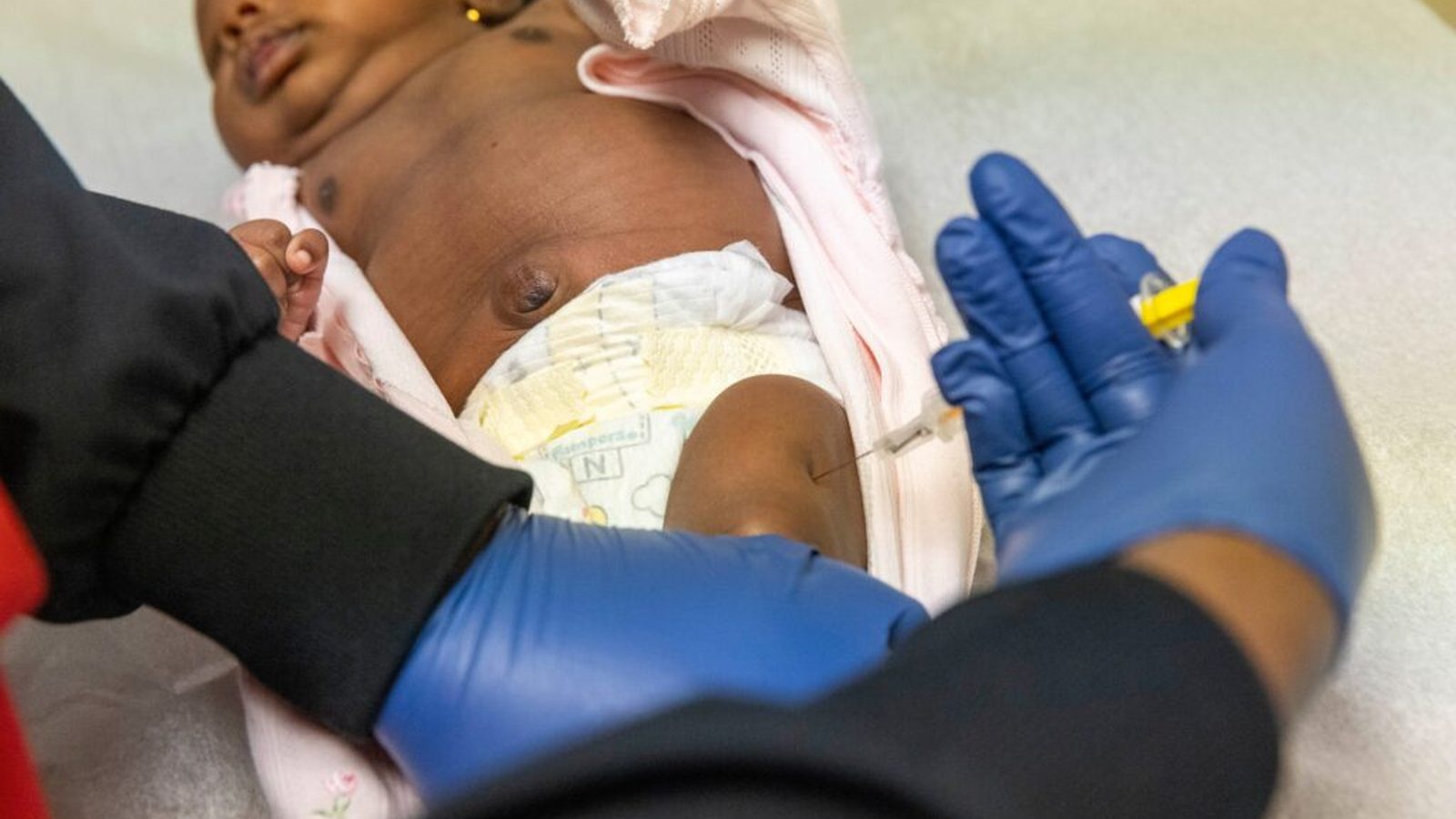
Since the introduction of the hepatitis B vaccine in the 1980s, annual cases of early childhood infection plummeted from more than 25,000 to fewer than 100 reported cases by 2024, according to reporting by The Washington Post. The previous standard, in place since 2018, mandated that all newborns receive a first dose within 24 hours of birth. This provided critical protection both against maternal-to-child transmission—an issue in cases where prenatal screening gaps occur—and against household exposures to a virus known for high transmissibility through blood and saliva.
Impact of Revised Vaccination Schedules
In December 2025, the CDC’s vaccine advisory panel, operating under leadership appointed by Secretary Kennedy, voted to rescind the universal birth-dose recommendation, shifting the preferred timing to at least two months of age. By early 2026, the CDC effectively moved hepatitis B vaccination into a framework of “shared clinical decision-making” rather than a routine childhood requirement. While a federal judge has since issued a stay on these specific changes due to questions regarding the legitimacy of the administration’s appointments, the uncertainty has contributed to a notable shift in public vaccination behavior.
The Annals of Internal Medicine study, led by infectious disease physician Amir Mohareb of Mass General Brigham, modeled two potential outcomes of these policy changes. The researchers projected that merely delaying the birth dose until two months of age could lead to an overall 19 percent increase in chronic hepatitis B infections. A broader “shared decision-making” approach—which data suggests results in fewer parents opting for the vaccine—is modeled to drive an 83 percent increase in chronic infections.
The long-term implications for the affected generation are severe. Individuals infected at birth face up to a 25 percent lifetime risk of developing liver cancer, as well as high probabilities of developing cirrhosis, acute liver failure, or the need for emergency liver transplants. Mohareb noted that as these children age, they may become silent carriers, unknowingly spreading the virus through sexual activity or everyday household interactions, such as sharing personal hygiene items like razors or toothbrushes.
Broader Context of Declining Coverage
This policy pivot occurs against a backdrop of declining public confidence in medical guidance. A study published in JAMA in February 2026 identified that birth-dose vaccination rates had already slipped from over 83 percent in 2023 to 73 percent by 2025. This downward trend is not confined to hepatitis B; there is growing concern among medical professionals about the declining uptake of other critical immunizations, such as vitamin K, which prevents life-threatening hemorrhaging in infants.
The situation is further complicated by concurrent developments in vaccine-preventable diseases. As reported by Rolling Stone, the Pan American Health Organization announced on November 17, 2026, that the United States has officially lost its measles elimination status, a designation held since 2000. With the virus now considered endemic in the U.S. due to falling vaccination rates, health experts are increasingly vocal about the cumulative effect of these institutional changes. Major professional bodies, including the American Academy of Pediatrics and the American Medical Association, continue to formally affirm the necessity of the birth-dose vaccine, positioning themselves against the current federal stance.