


International organizations have been instrumental in shaping the global order since their inception. These bodies, ranging from the United Nations to regional coalitions like the European Union, serve as platforms for countries to collaborate on issues of mutual concern. Their influence spans diplomacy, security, economic development, and humanitarian aid, making them vital to the functioning of a connected world.
The Role of International Organizations
International organizations function as mediators and facilitators of global cooperation. For instance, the United Nations (UN) has been central to peacekeeping and conflict resolution. Its specialized agencies, such as the World Health Organization (WHO) and the International Monetary Fund (IMF), address specific global challenges like health crises and economic stability. These organizations enable collective action by providing a forum for dialogue and decision-making among member states.
Another critical aspect of these organizations is their ability to set global norms and standards. For example, the UN’s Sustainable Development Goals (SDGs) outline a universal agenda for addressing poverty, inequality, and climate change. Similarly, the World Trade Organization (WTO) establishes rules for international trade, fostering predictability and reducing conflicts.
Great Power Competition and Influence
In recent years, great power competition has significantly influenced the operations of international organizations. Historically dominated by Western powers, these institutions are now arenas for geopolitical rivalry. China, for example, has increased its involvement in multilateral organizations to advance its Belt and Road Initiative (BRI) and promote its development model. By placing its citizens in key leadership roles and boosting financial contributions, China has enhanced its influence in bodies like the United Nations and the World Bank.
Similarly, Russia has used its position in organizations like the UN Security Council to counter Western dominance and assert its global standing. Russia’s focus on military strength and alliances with countries like China and India through BRICS showcases its strategy to influence global policies.
Regional and Economic Alliances
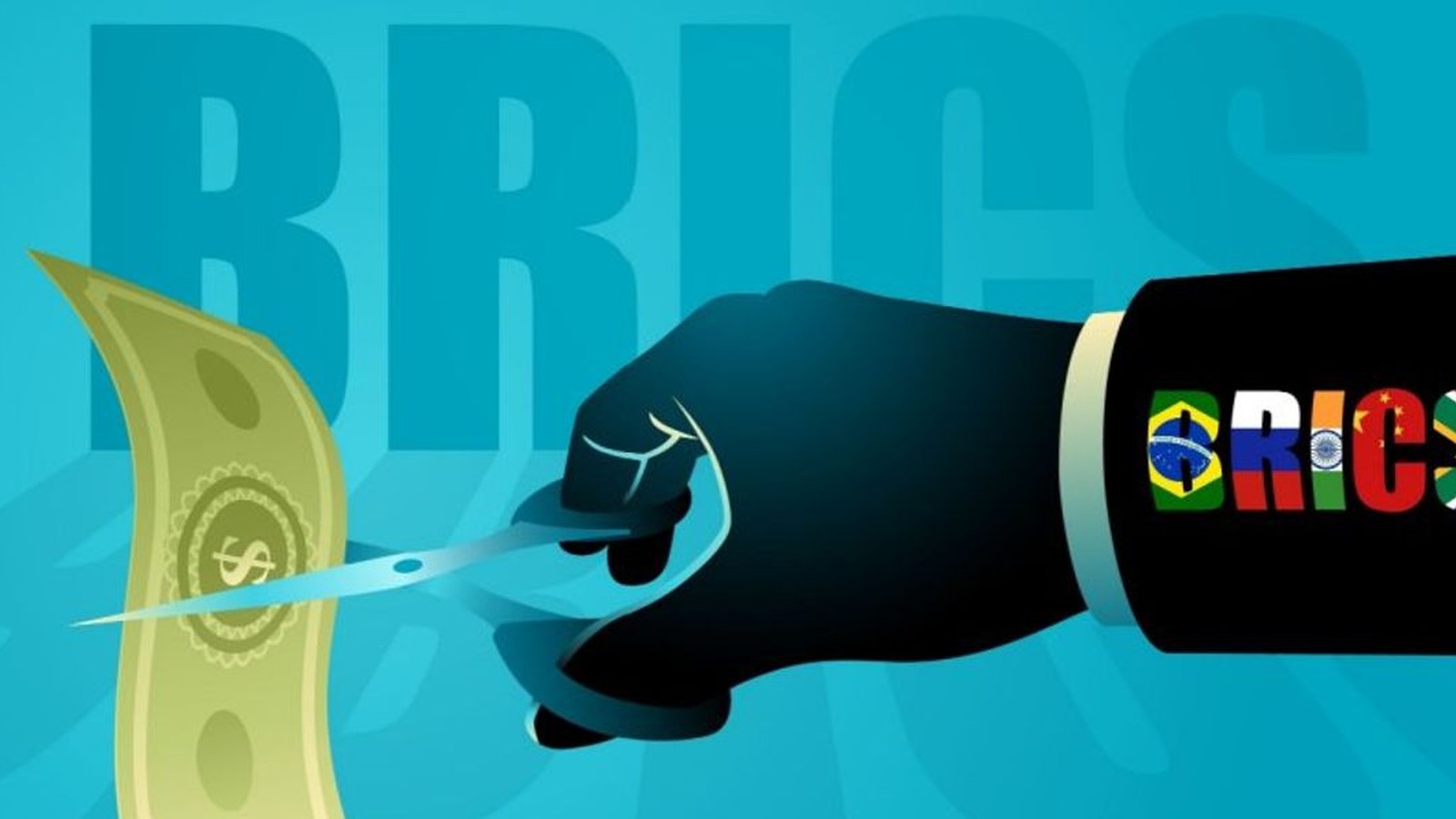
Regional organizations also play a crucial role in global affairs. The European Union (EU) is a prime example of regional integration, promoting economic and political stability among its member states. On the other hand, BRICS (Brazil, Russia, India, China, and South Africa) serves as a platform for emerging economies to challenge the traditional dominance of Western powers in global governance.
Economic alliances like the Asian Infrastructure Investment Bank (AIIB) and the New Development Bank further exemplify how countries leverage multilateral institutions to pursue their strategic interests. These organizations not only provide financial resources for development projects but also serve as tools for geopolitical influence.
Challenges and Criticisms
Despite their contributions, international organizations face several challenges. Criticisms often revolve around issues of representation and effectiveness. Developing countries argue that these bodies are disproportionately influenced by wealthy nations, limiting their ability to address the needs of the Global South. For instance, the voting structures in institutions like the IMF and World Bank often favor Western nations.
Moreover, the rise of unilateralism and nationalist policies in some countries has undermined the authority of multilateral organizations. For example, the United States’ withdrawal from international agreements under certain administrations has raised questions about the reliability of global commitments.
The Future of International Organizations
The evolving geopolitical landscape necessitates reforms in international organizations to make them more inclusive and effective. Strengthening the representation of developing countries and ensuring equitable decision-making processes are essential steps. Additionally, fostering collaboration between traditional powers and emerging economies can enhance the legitimacy and impact of these institutions.
Technological advancements and global challenges like climate change and pandemics also call for innovative approaches. International organizations must adapt to these realities by leveraging technology and fostering interdisciplinary collaboration to address complex global issues.
International organizations remain indispensable to the global order. While they face challenges, their role in promoting peace, stability, and development underscores their continued relevance in a rapidly changing world.