


A Political Spectacle Amidst Uncertainty
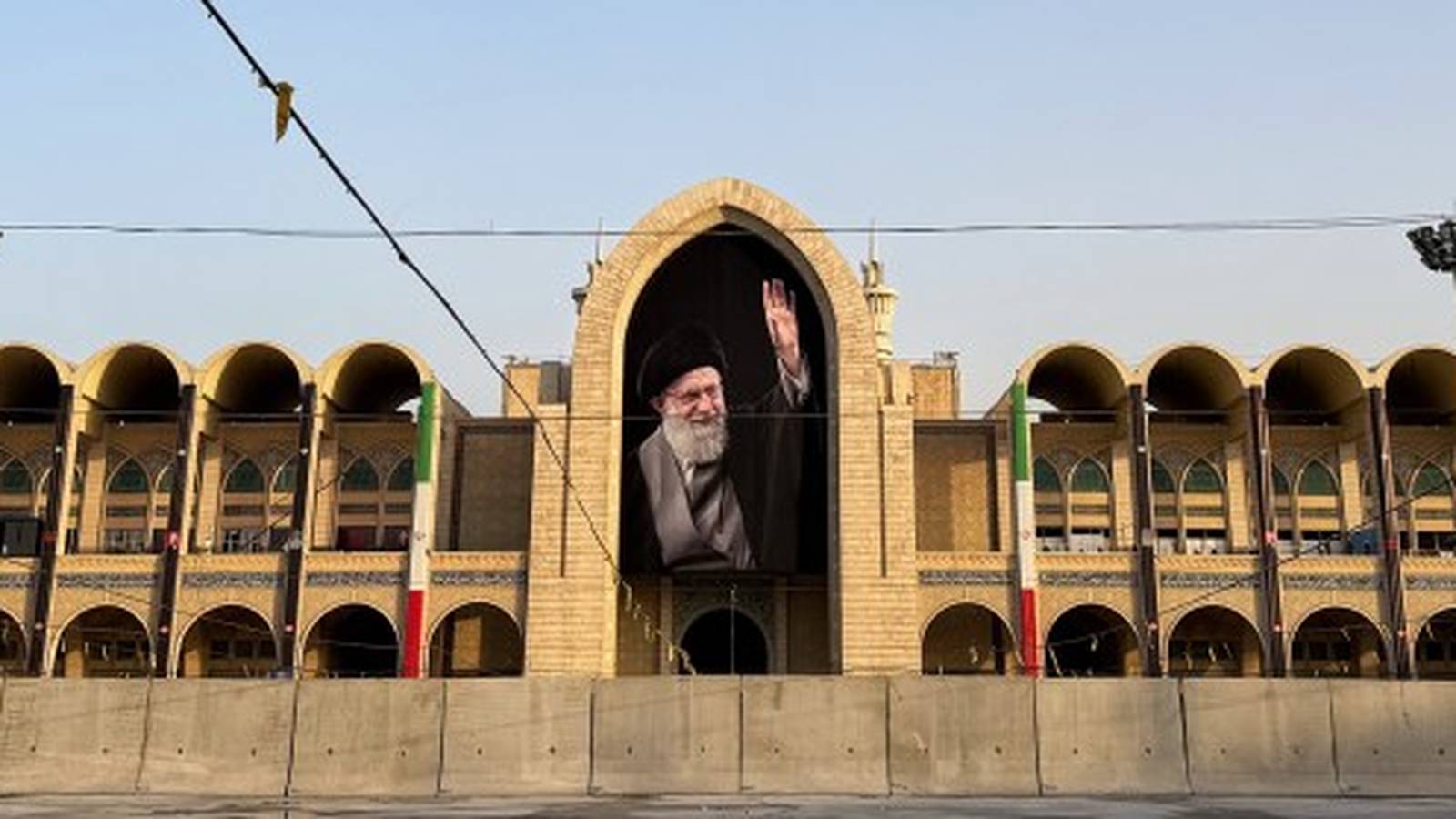
Iran is set to hold a sprawling, multi-day funeral ceremony for its late Supreme Leader, Ayatollah Ali Khamenei, four months after he was killed in a February 28 U.S. and Israeli strike on Tehran. The event is being framed by the Iranian regime as both a religious and political spectacle, intended to demonstrate the Islamic Republic’s resilience following months of war and internal instability.
Tehran’s mayor, Alireza Zakani, has suggested that up to 20 million people could attend the events in the capital. The proceedings, which include viewings at the Grand Mosalla in central Tehran, are scheduled to continue with processions across Iran and into neighboring Iraq, culminating in a burial in Khamenei’s hometown of Mashhad on Thursday.
Regime Survival and Internal Strains
Analysts note that the funeral serves as a critical opportunity for the Islamic Revolutionary Guard Corps (IRGC) to solidify its control and signal strength to both domestic and international audiences. “They would like to portray it as a signal of the Islamic Republic’s strength, ability to resist outside pressure, and resilience,” said Sina Azodi, director of the Middle East studies program at George Washington University.
The event takes place under a shadow of profound political uncertainty. Khamenei’s son, Mojtaba, who was named the new supreme leader in March, remains out of public view due to severe injuries sustained in the same attack that killed his father. Sources confirm he is not expected to attend the funeral, leaving a power vacuum that hardline elements of the IRGC are currently filling.
The Shadow of War
The funeral occurs in the wake of a fragile peace deal between Iran and the United States. While the regime uses the ceremony to rally public support, the country remains scarred by a brutal crackdown on nationwide protests earlier this year and the economic devastation of recent months. Experts warn that beyond the pageantry, the Islamic Republic faces significant challenges regarding long-term legitimacy and the stability of its leadership transition.