


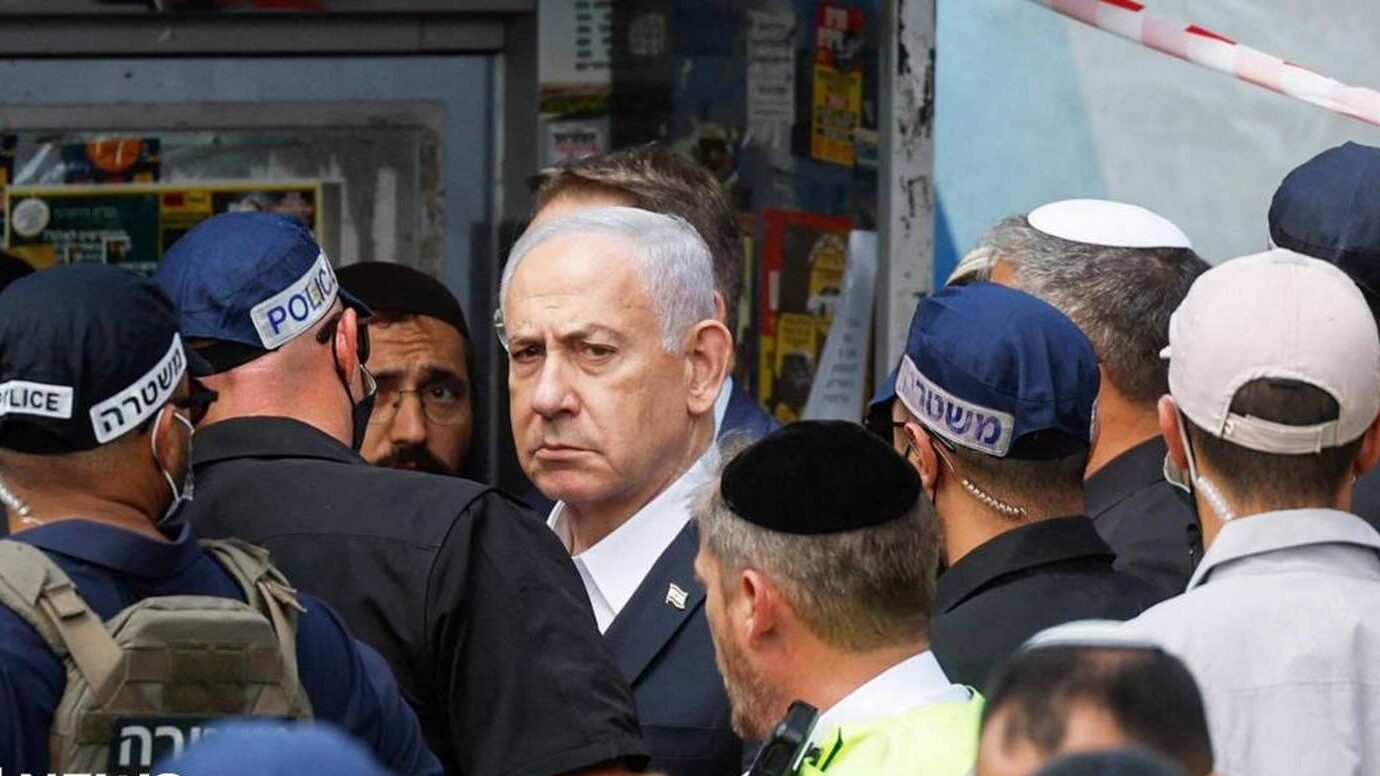
A deadly shooting at Jerusalem’s Ramot Junction on the morning of September 8, 2025, left five people dead and at least 12 injured, according to Israeli emergency services. The attack, one of the deadliest in recent years, has heightened tensions in the region, drawing international attention and sparking political debates.
Details of the Attack: What Happened at Ramot Junction
Israeli police stated that two attackers arrived by vehicle and opened fire on people waiting at a bus stop along the busy Ramot Junction, located on the northwestern outskirts of Jerusalem. According to BBC, the attackers used automatic weapons and caused widespread panic. Verified footage showed people dressed in black running across the road amid stopped cars.
Emergency responders from Magen David Adom (MDA) reported that five people were killed, including a man and a woman in their 50s and three men in their 30s. Twelve others sustained injuries, with six in critical condition due to gunshot wounds. The attackers were shot and killed on the scene by a security officer and a civilian, according to Israeli police.
Images from the site shared by Reuters showed bullet holes in the windows of a bus near the bus stop, with shattered panes and police tape marking the area.
Political Fallout: Netanyahu Cancels Court Appearance
Israeli Prime Minister Benjamin Netanyahu arrived at the scene shortly after the attack, postponing his scheduled court appearance for a corruption trial. Speaking to reporters, Netanyahu vowed to continue the “war against terrorism” across Jerusalem, Gaza, and the West Bank. He was joined by Israeli Minister of National Security Itamar Ben Gvir, who echoed similar sentiments.
The attack has further fueled political tensions in the region. According to CNN, Israeli security officials had warned Netanyahu last week of a potential escalation in violence due to ongoing tensions in the West Bank and the anticipated recognition of Palestinian statehood at the United Nations General Assembly.
Reactions from Palestinian Groups and the Global Community
While no group has claimed responsibility for the attack, both Hamas and Palestinian Islamic Jihad issued statements welcoming the incident. Hamas described it as a “natural response” to Israeli policies in Gaza and the West Bank. The group also called for more armed resistance, signaling potential for further unrest.
International reactions have been mixed, with some countries condemning the violence and others urging restraint from both sides. The attack also comes amid heightened military activity in Gaza, where Israeli forces have been conducting operations against suspected militants.
The Broader Context: Rising Tensions in Jerusalem and Beyond
The shooting is the deadliest attack in Jerusalem since 2023 and adds to a growing list of violent incidents in the region. According to Al Jazeera, Israeli forces closed all checkpoints between East Jerusalem and the West Bank following the attack and imposed military cordons on several Palestinian villages. Raids were conducted in Qatana, Biddu, Beit Inan, and Beit Duqu in search of potential accomplices.
This escalation comes amid deteriorating economic conditions in the Palestinian territories and Israeli discussions about potential annexation of parts of the West Bank. Analysts warn that such developments could lead to a broader conflict, further destabilizing the region.
The Jerusalem shooting is a stark reminder of the ongoing conflict and its devastating impact on civilians. As investigations continue, the incident highlights the urgent need for diplomatic efforts to address the root causes of the violence.