


A Pivotal Internal Contest
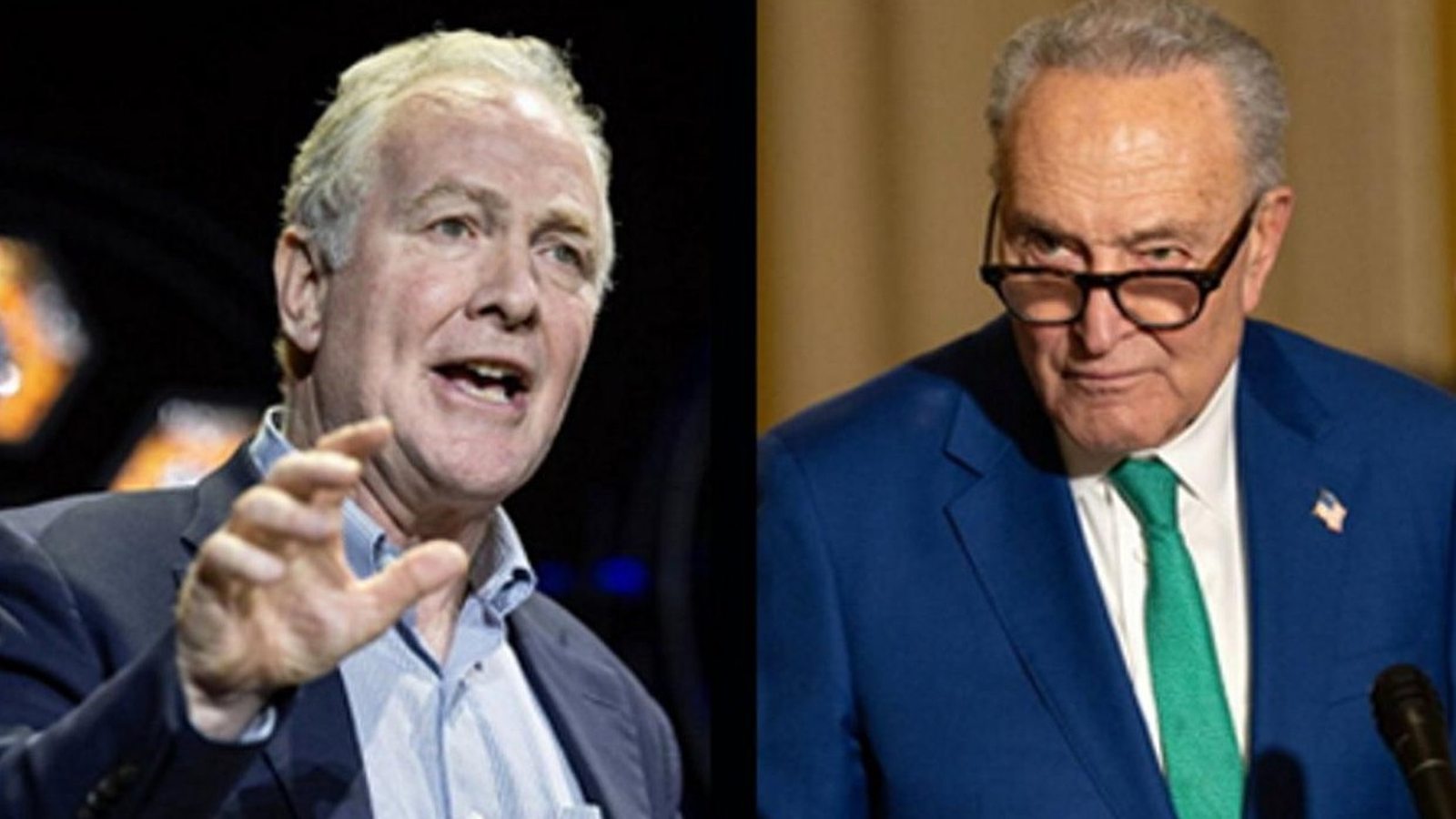
As the U.S. Senate prepares for internal elections scheduled for Tuesday, the race for Democratic leadership between incumbent Chuck Schumer and challenger Chris Van Hollen has evolved into a significant proxy battle over the future direction of the Democratic Party’s foreign policy, particularly concerning the Middle East. According to reporting published on November 25, 2026, by Newsday, the contest centers on whether the party will maintain its traditional alignment or pivot toward a more progressive approach regarding military aid and international engagement.
Schumer, 75, who has served as the top Senate Democrat since 2017 and previously held the majority leader role from 2021 to 2025, is facing an insurgent bid from the 67-year-old Maryland senator. The outcome depends on a secret ballot among 56 incoming Democratic caucus members. While the leadership position traditionally commands the legislative agenda and party floor strategy, the competition has exposed sharp disagreements over the party’s ideological identity.
Divergent Paths on Israel and Iran
The policy divide is most pronounced in the realm of foreign policy. Van Hollen has increasingly positioned himself as a progressive alternative to Schumer’s established, historically pro-Israel platform. In recent years, Van Hollen has challenged the party’s long-standing consensus, advocating for strict conditions on U.S. military aid to Israel. He famously argued on CBS’ “Face the Nation” in May 2025 that the U.S. was “complicit” in the humanitarian crisis in Gaza, marking a sharp break with traditional Democratic posture.
In contrast, Schumer maintains his role as a staunch advocate for Israeli security, declaring at a gathering of Jewish leaders earlier this year his commitment to “fight for aid to Israel — all the aid that Israel needs.” This conflict over the extent of U.S. support and the necessity of conditional aid represents a fundamental shift in the Democratic caucus, one that Van Hollen is attempting to capitalize on to gain support from the party’s left wing.
Furthermore, the contest touches on the ongoing military engagements in Iran. Van Hollen is spearheading a legislative push to prohibit funding for offensive military operations in Iran, threatening to oppose the upcoming government funding bill set to expire on December 11. While Schumer has also publicly discussed utilizing Congress’ “power of the purse” to influence the duration of the war, he has remained focused on preventing a government shutdown, seeking a compromise that balances policy objectives with the necessity of funding federal operations.
Institutional Stakes and Political Realignment
The leadership race is unfolding against a backdrop of broader speculation regarding the party’s future. Observers, such as William Hoagland of the Bipartisan Policy Center, note that the majority leader acts as the “leader of the club,” and the current contest suggests that some members believe that “club” is out of sync with the party’s changing base. Van Hollen’s shift toward progressive issues—including campaign finance reform and internal Senate procedural changes—serves as a critique of Schumer’s tenure and leadership style.
However, the challenge is not without its detractors. Critics, including former Maryland state Senator Bobby Zirkin, have characterized Van Hollen’s recent pivots as “calculated” attempts to align with the party’s far-left fringe, arguing that he is “grossly unqualified” for the demands of the majority leader role. As the caucus prepares for the secret vote, the race serves as a mirror for the tensions defining modern Democratic politics: a struggle between the traditional establishment embodied by Schumer and a growing demand for a more populist, progressive foreign policy platform advocated by figures like Van Hollen.