


A Shift in Narrative Perspective
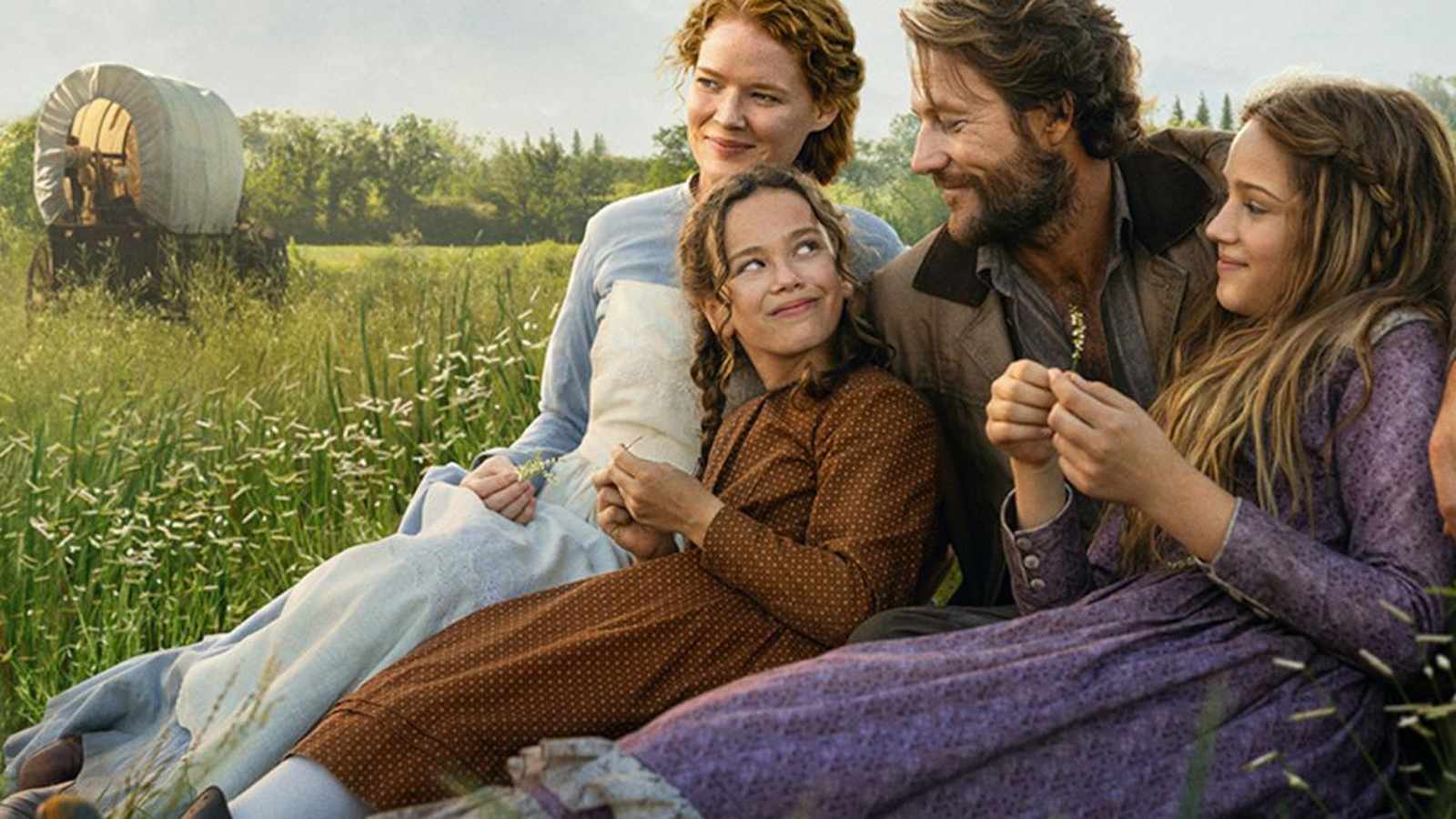
The recent premiere of the new Little House on the Prairie adaptation on Netflix has ignited widespread discussion regarding its departure from the iconic 1970s NBC series. Starring Luke Bracey as Charles “Pa” Ingalls and Crosby Fitzgerald as Caroline “Ma” Ingalls, the production aims to move beyond the idealized, heroic framing of the past to present a more historically grounded perspective on frontier life.
While the 1970s iteration, starring Michael Landon and Melissa Gilbert, focused heavily on dramatized morality tales, this new series positions itself as roughly 60% faithful to Laura Ingalls Wilder’s original books. A central pillar of this effort is the production’s collaboration with Osage consultants to ensure accuracy in language, culture, and costumes. This inclusion addresses the complex realities of Indigenous displacement during the 19th century—a stark contrast to the romanticized pioneer narratives of previous decades.
Humanizing the Patriarch
One of the most significant departures is the portrayal of Pa. Where Michael Landon’s version was defined by unwavering moral certainty, Luke Bracey’s Pa is depicted as a complex, human figure. He is characterized by a mix of charm, devotion, and a reckless ambition that frequently leads his family into dangerous, precarious situations. This nuanced take acknowledges the historical reality that Charles Ingalls built a home on land that legally belonged to the Osage people, a decision that carries significant weight in the show’s thematic exploration of reconciliation.
The series also leans into the harsh physical realities of the frontier. A notable example is the dramatization of the Ingalls family’s struggle with malaria. In both the historical record and Wilder’s books, the real-life Black frontiersman Dr. George Tann played a pivotal role in saving the family. The show honors this history, though it tweaks the narrative outcome, balancing historical figures with new, fictionalized subplots.
Balancing Legacy and Accuracy
The adaptation has faced criticism from purists who cling to the aesthetics of the 1970s series, such as the appearance of the characters or specific plot deviations. However, the production team argues that their goal is to provide a broader, more inclusive lens on the American pioneer experience. By filming in Manitoba, Canada, the series utilizes the natural landscape to emphasize the isolation and vastness of the prairie, treating the environment as a central character in the family’s journey.
Looking ahead, the momentum behind the show is clear. Netflix announced the renewal of the series for a second season in March 2026, even before the initial premiere. Season 2 will follow the Ingalls family as they transition to Walnut Grove, Minnesota, continuing the effort to weave together community, chosen family, and the ongoing work of addressing the complexities of Western expansion.