


A Long-Term Commitment Amid On-Track Turbulence
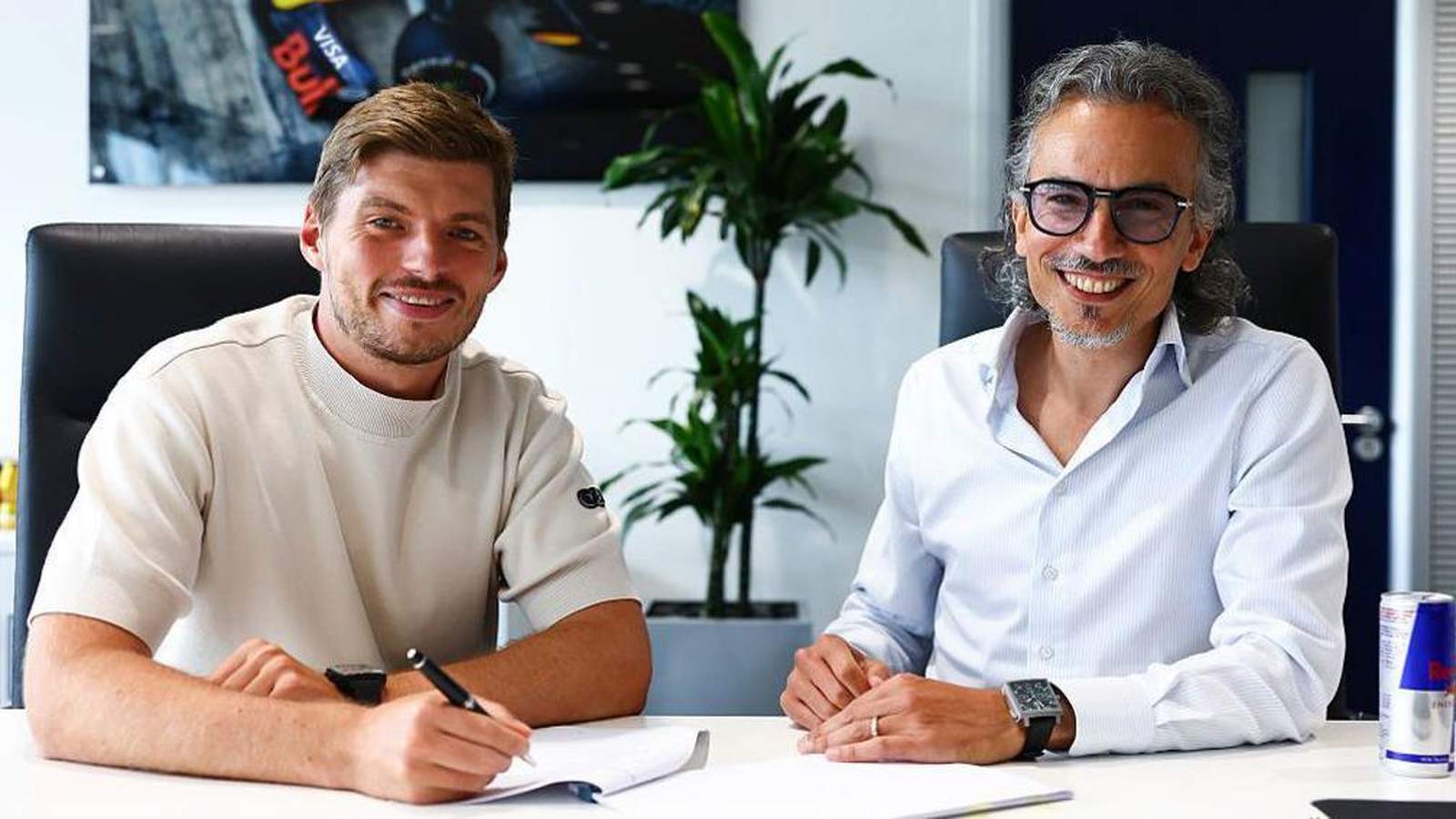
Four-time Formula 1 world champion Max Verstappen has ended months of intense speculation regarding his future by signing a major contract extension with Oracle Red Bull Racing. The new agreement, announced ahead of the Dutch Grand Prix, binds the 71-time race winner to the Milton Keynes-based team until at least the end of the 2030 season, when he will be 33 years old. The announcement represents a significant coup for Red Bull, coming at a time when the team has struggled to replicate its dominant form of previous years.
According to reports from Sky Sports and the BBC, Verstappen’s previous contract was set to run through 2028. However, a series of performance-related exit clauses, coupled with high-profile departures from Red Bull’s technical and executive ranks, had fueled rumors that the champion might seek a blockbuster move to a rival team. By signing the extension, Verstappen has signaled his long-term confidence in Red Bull’s future engine program and the leadership of team principal Laurent Mekies, who took charge last July following the departure of longtime team boss Christian Horner.
Navigating Exit Clauses and Rival Negotiations
The timing of the announcement is highly strategic, coinciding with Verstappen’s home race at Zandvoort—which is scheduled to be the final Dutch Grand Prix before the circuit falls off the Formula 1 calendar. Behind the scenes, the path to this extension was far from straightforward. Under the terms of his previous contract, Verstappen possessed an exit clause that would have allowed him to negotiate a departure for the 2027 season if he was outside the top two positions in the Drivers’ Championship at the start of the summer break. Heading into August, Verstappen sat sixth in the standings, 110 points behind leader Kimi Antonelli, making the exit clause active.
Sources close to the negotiations confirmed that Verstappen’s management team held exploratory talks with McLaren earlier this year, including a meeting in June. While McLaren chief executive Zak Brown publicly maintained that the team had no openings and remained committed to Lando Norris and Oscar Piastri, the threat of Verstappen leaving Red Bull was highly credible. Ultimately, productive summer discussions convinced the Dutchman that Red Bull possesses the necessary resources to return to the front of the grid.
Overcoming Internal Overhaul and Technical Setbacks
The contract extension comes despite a turbulent period for Red Bull Racing. Over the past 18 months, the team has lost several foundational figures. Christian Horner was sacked last year following a highly publicized internal conflict, and influential advisor Helmut Marko and legendary car designer Adrian Newey have also departed. Furthermore, Verstappen’s longtime race engineer, Gianpiero Lambiase, is set to join rival outfit McLaren by the 2028 season.
On the track, Red Bull has struggled to master the current regulatory cycle, frequently fielding what has been characterized as the fourth-fastest car on the grid. Verstappen’s best finishes this season have been limited to two second-place results in Austria and Hungary. Safety concerns also arose earlier in the season when two separate mechanical failures involving the car’s rear wing resulted in high-speed crashes for the Dutch driver.
Verstappen had also expressed deep reservations regarding the upcoming 2026 power unit regulations, criticizing the heavy reliance on electrical battery power and the resulting “yoyo” style of racing. However, subsequent adjustments by the FIA to reduce electrical output requirements for 2027 and beyond have reportedly eased those concerns, paving the way for his renewed commitment.
Market Stability and the Road Ahead
With Verstappen’s future secured, the Formula 1 driver market has stabilized significantly. The signing effectively closes the door on any major driver movements among the sport’s top four teams—Mercedes, Ferrari, McLaren, and Red Bull—for the 2027 season. This consolidation follows Carlos Sainz Jr.’s decision to sign with Williams, removing another key piece from the transfer market. Attention now shifts to veteran drivers like Fernando Alonso at Aston Martin and how teams will structure their lineups around locked-in champions.
For Red Bull, retaining Verstappen is an invaluable asset as they transition into an independent engine manufacturer. Team principal Laurent Mekies praised the partnership, describing the decision to continue as a powerful statement of mutual trust. While performance-related safeguards likely remain within the intricate details of the new contract, the immediate narrative of uncertainty surrounding Verstappen has been decisively resolved.