


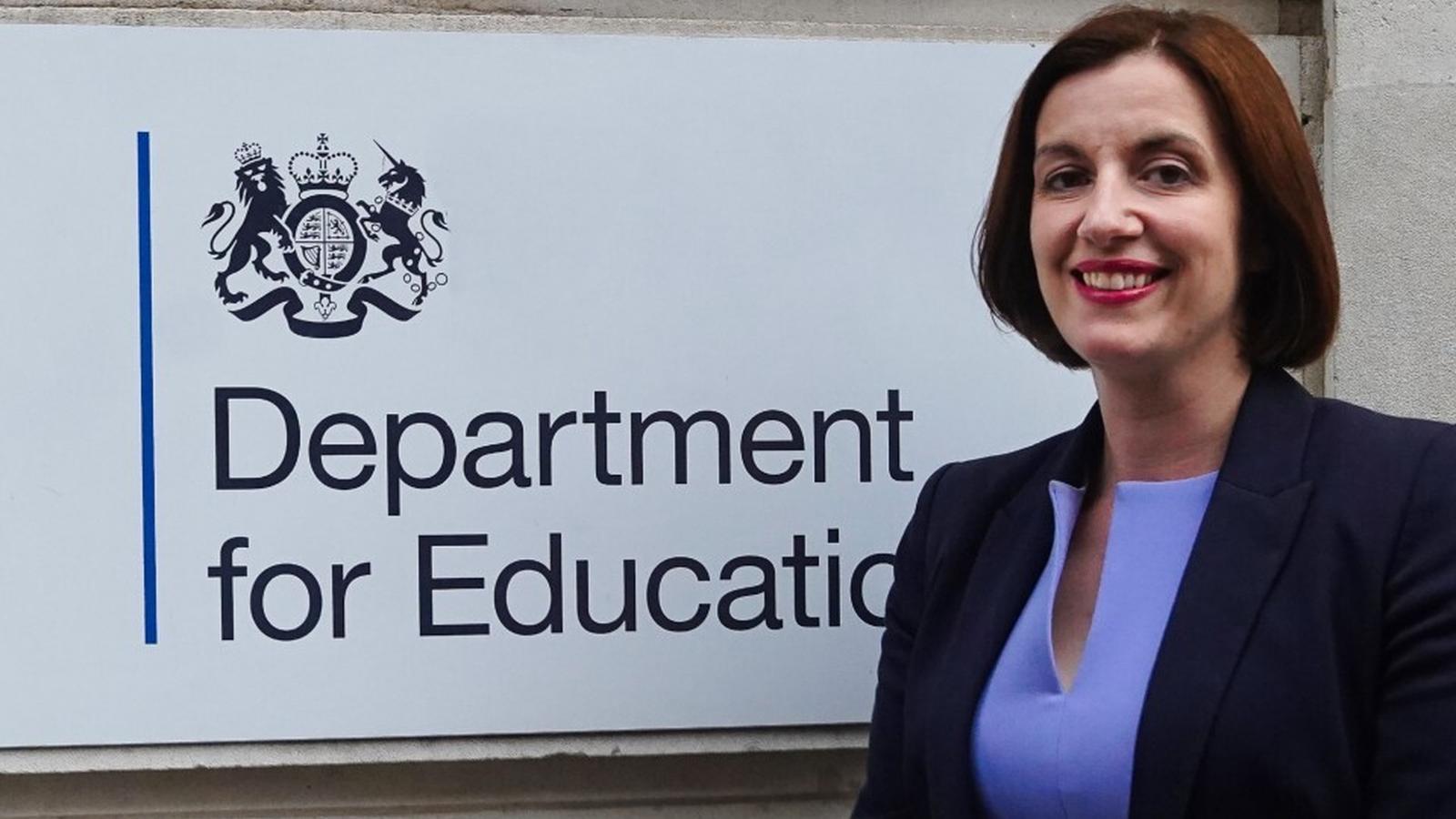
UK Education Secretary Lucy Powell has pledged to overhaul the compulsory system of GCSE resits for teenagers who fail to secure passing grades in English and mathematics, warning that current policy locks thousands of students into a debilitating cycle of retakes.
Speaking as students received their GCSE results on August 20, 2026, Powell stated that the existing requirement traps low-scoring teenagers on a "treadmill of failure" that erodes self-esteem without improving long-term educational or career prospects. Under current rules in England, post-16 students who do not achieve at least a Grade 4 in English or maths must continue studying and resitting the examinations until they pass or turn 18.
According to proposals reported by The Times, the Department for Education is considering alternative pathways based on recommendations from a curriculum review led by Professor Becky Francis. Under the proposed framework, pupils who receive a Grade 2 or lower would no longer be forced directly into immediate GCSE retakes. Instead, they will be encouraged to pursue practical Level 1 qualifications designed to demonstrate functional numeracy and literacy skills to prospective employers. Students who successfully complete these functional courses would then have the option to attempt their GCSEs at a later stage.
Powell emphasized that while GCSEs should serve as a vital "passport to the future" for every young person, the high rate of repeated failures in core subjects highlights a systemic flaw. The government aims to balance rigorous academic standards with alternative vocational and practical pathways that protect student well-being and offer realistic steps into further training or employment.