


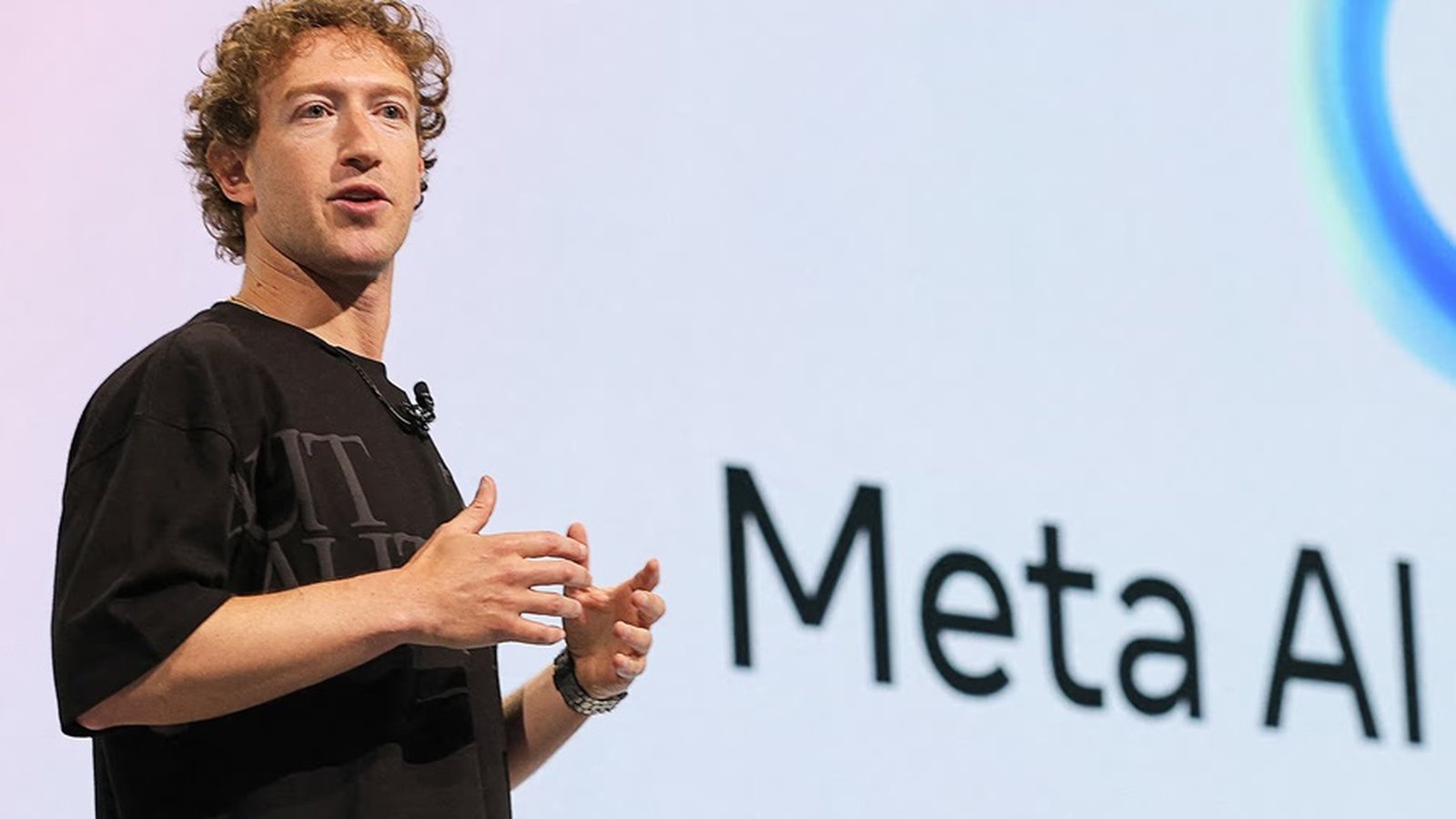
Meta has officially entered the competitive AI developer tools market with the launch of Muse Code, an autonomous coding agent designed to challenge established players like OpenAI and Anthropic. The release, announced via social media and developer platforms, marks a significant shift in Meta’s AI strategy as the company seeks to monetize its massive infrastructure investments through enterprise-focused products. Under the leadership of Alexandr Wang, who oversees Meta Superintelligence Labs, the company is positioning Muse Code not just as a standalone tool, but as a critical component of its broader Muse Spark AI ecosystem.
Strategic shift toward the enterprise developer market
Muse Code distinguishes itself through a multi-agent architecture, which distributes complex programming tasks across specialized sub-agents to improve speed and code quality. This approach is supported by the simultaneous release of Muse Spark 1.2, a foundation model specifically trained to handle coding workflows. According to performance benchmarks shared by the company, including Terminal-Bench 2.1 and DeepSWE 1.1, Muse Spark 1.2 is currently performing at the high end of the market, rivaling top-tier models from Anthropic and Google.
For enterprise users, Meta is introducing a significant privacy feature: the option for zero-data retention. This is a strategic move to address common corporate concerns regarding the use of proprietary code to train third-party models. By positioning this as a core enterprise offering, Meta is directly addressing the hesitation many companies feel when integrating AI into their internal development pipelines.
Aggressive pricing as a competitive lever
Perhaps the most disruptive element of the launch is Meta’s pricing strategy. Rather than competing purely on capability, Meta is utilizing aggressive price points to gain market share. The platform includes a contributor tier that is reported to be more than 10 times cheaper than standard pay-as-you-go options. This strategy reflects the company’s need to capture developer mindshare in a space currently dominated by GitHub Copilot and other established incumbents.
While Meta’s entry into the AI coding agent market provides developers with a high-performance, cost-effective alternative, the company’s long-term success will depend on its ability to prove that its tools can integrate seamlessly into complex, legacy-heavy enterprise environments where brand trust and reliability are often prioritized over raw model efficiency.