


A Record-Breaking Recognition
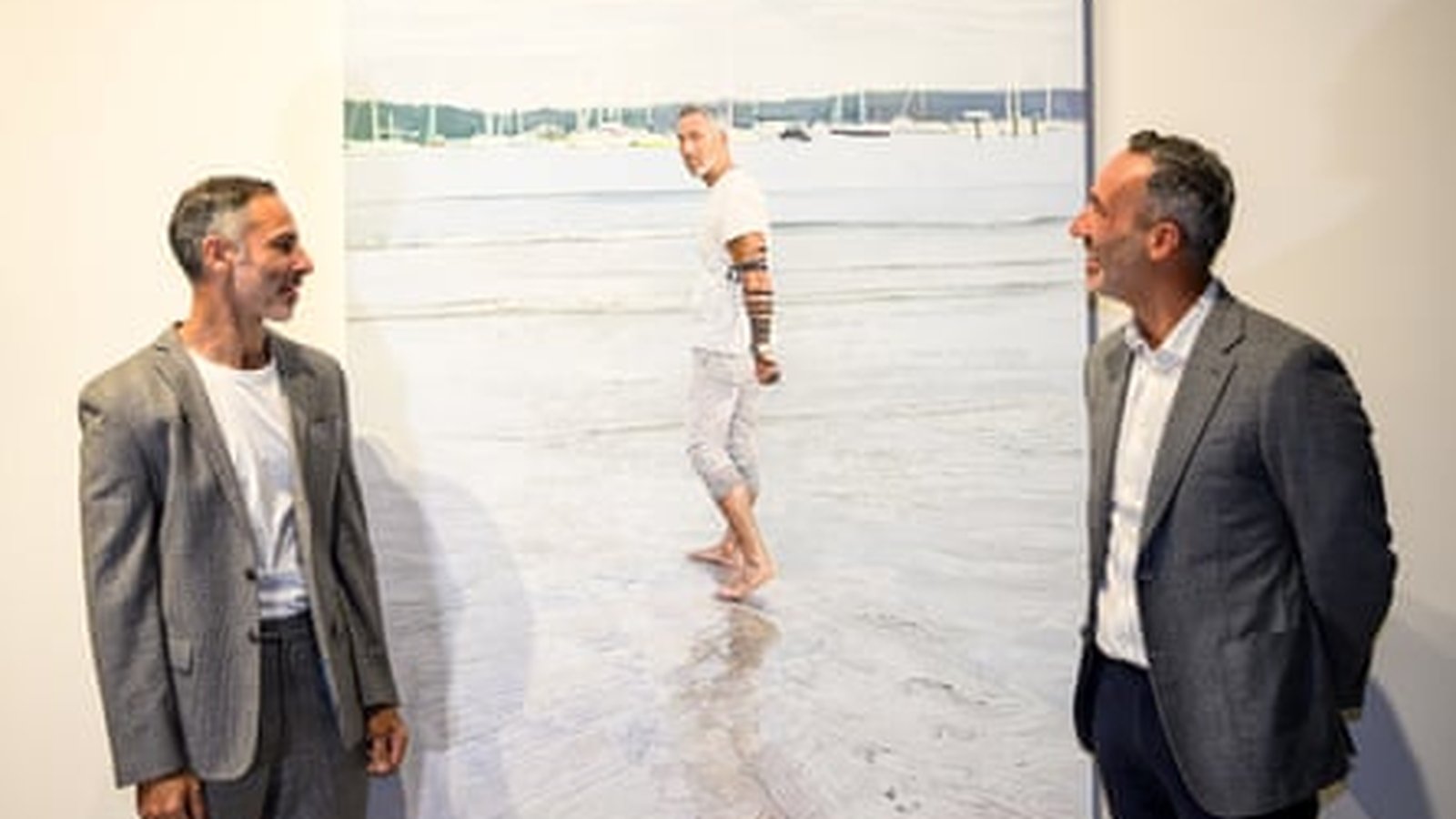
Artist Michael Zavros has been awarded the 2026 Archibald People’s Choice Award for his hyper-realist portrait titled Alex with his tefillin in the sea. The announcement, made on July 30, 2026, at the Art Gallery of New South Wales (AGNSW), follows a record-breaking public vote of 45,769, the highest in the award’s history.
The portrait depicts Alex Ryvchin, the co-CEO of the Executive Council of Australian Jewry. Zavros, a seven-time Archibald finalist, stated that he was moved to create the work following the December 2025 Bondi Beach terror attack. The artist noted that Ryvchin’s leadership during that period of national grief provided a focal point for his creative response.
Symbolism and Identity
The work features Ryvchin standing in the ocean wearing tefillin—small leather boxes containing Torah verses used during prayer. According to Zavros, the sea serves as a symbol of shared human experience, while the tefillin represent the complexities of faith and identity in contemporary Australia. During his acceptance speech, Zavros emphasized that symbols of faith should be used to build connections rather than drive division.
For Ryvchin, the portrait holds profound personal significance. He noted that he and the late Rabbi Eli Schlanger, who was killed in the Bondi attack, had often prayed together using the same ritual items. Ryvchin described the painting as a source of pride for the Jewish community, particularly as the Royal Commission on Antisemitism and Social Cohesion continues its proceedings.
Context of the Archibald Prize
Zavros’s win follows the announcement of the main 2026 Archibald Prize, awarded in May to Richard Lewer for his portrait of Pitjantjatjara elder Iluwanti Ken. The 2026 exhibition, which includes the Wynne and Sulman Prizes, saw a total of 2,524 entries across all categories. The exhibition remains open at the Art Gallery of New South Wales until August 16, before embarking on a regional tour.
Reflecting on the collaboration, Zavros remarked that the process of creating the portrait led him to explore his own Ashkenazi Jewish heritage. The artist and the subject, who share a physical resemblance, have used the platform provided by the portrait to spark conversations about migration, shared history, and the role of leadership in times of crisis.