


Legal Transition Following Tragic Loss
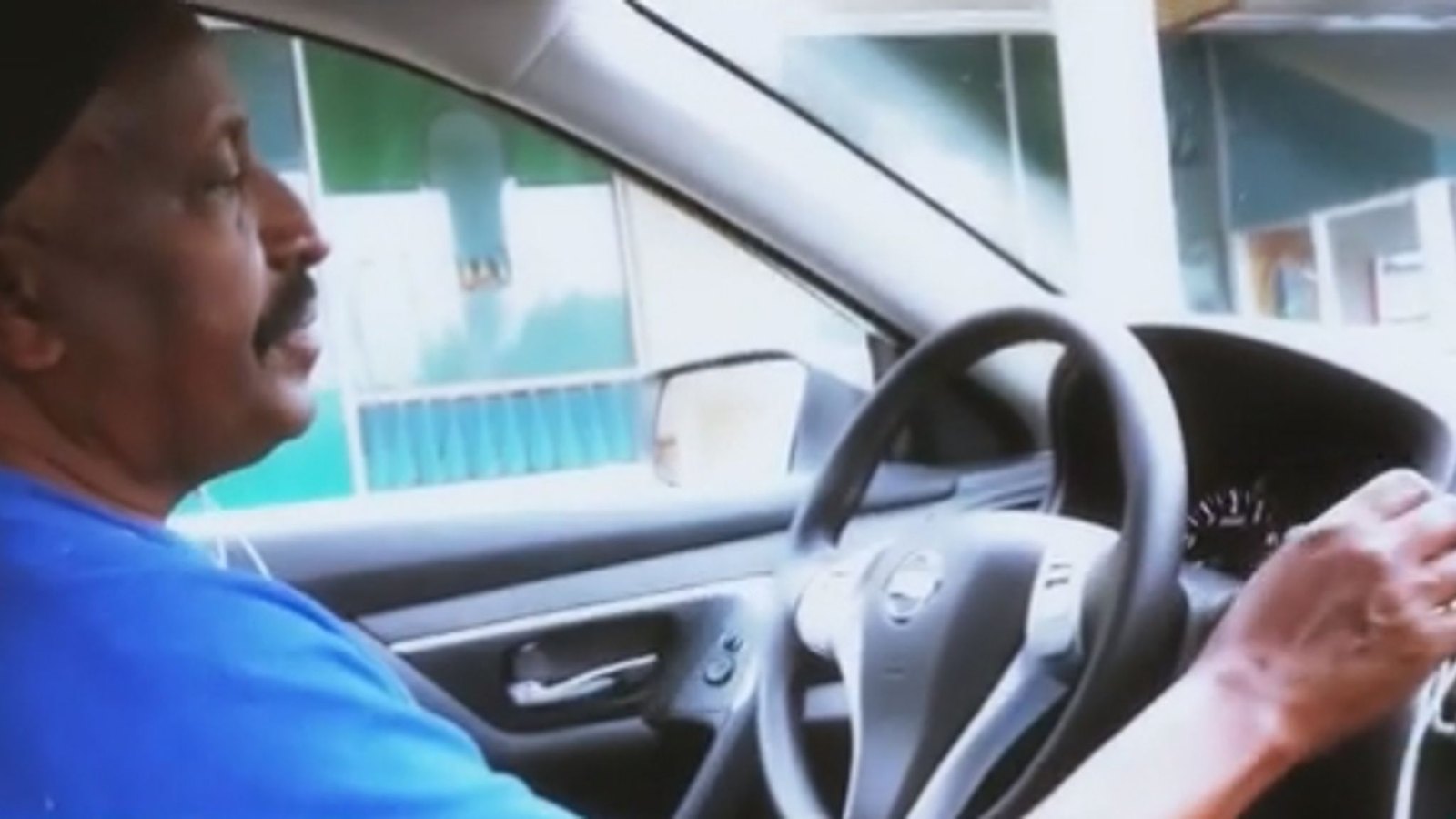
Hennepin County Attorney Mary Moriarty announced on Nov. 28, 2026, that the criminal case against 25-year-old Samit Apurva Patel will be amended to include a charge of second-degree intentional murder. This legal shift follows the death of Mohamed Yusuf, a 51-year-old Uber driver who had been hospitalized since suffering severe injuries during an attack on Nov. 14, 2026, as reported by KSTP. Yusuf, a Somali man and father, had been in a coma after the assault, sustaining multiple life-threatening injuries, including a collapsed lung, spinal damage, and broken bones. His passing has triggered a reevaluation of the legal response, prompting authorities to escalate the initial charges of attempted second-degree murder and first-degree carjacking, CBS News stated. The Hennepin County Attorney’s Office confirmed the update, noting that while the suspect had been released on an $800,000 bond with conditions, the transition of the charges to intentional murder underscores the severity of the outcome for the victim’s family and the community.
The Incident and Initial Investigation
Court documents detail that the incident began following a pickup in northeast Minneapolis. According to the criminal complaint, Yusuf was on a phone call with his brother during the ride. His brother reportedly heard the passenger, identified as Patel, make disparaging remarks after Yusuf stated his name. The situation escalated rapidly, with the brother reportedly hearing Yusuf screaming for help, claiming that he was being choked with a belt, and stating, “He is running me over.” Law enforcement located Yusuf in a ditch near Hopkins Crossroad and Minnetonka Boulevard after using drone heat signatures and tracking his smartwatch. Police found that Patel had returned home, where he later spoke to officers. During that interaction, Patel allegedly admitted to taking an Uber home and claimed responsibility for the incident, suggesting he had been experiencing a mental break.
Stakes of the Bias Investigation
The death of Mohamed Yusuf has reignited a heated public and political debate regarding the absence of a formal hate crime statute in Minnesota. While community advocacy groups, including the Minnesota chapter of the Council on American-Islamic Relations (CAIR-MN), have consistently called for a thorough investigation into potential bias as a primary motivator for the attack, prosecutors have previously faced significant hurdles in reaching the evidentiary threshold required for such an enhancement. Hennepin County Attorney Mary Moriarty has stated that while the office condemns such violence, current Minnesota law does not provide a specific hate crime statute, and prosecutors have struggled to uncover sufficient evidence to prove bias beyond a reasonable doubt. Moriarty previously noted that if they could prove the attack was motivated by bias, the office would charge it that way, but they simply have not found enough evidence to meet the legal standard.
Legislative Scrutiny and Future Advocacy
This gap in the legal framework has led to intensified scrutiny from state lawmakers. Senate Majority Leader Erin Murphy (DFL) has issued a formal statement advocating for legislative reform, emphasizing that crimes motivated by hate are reportedly at an all-time high in the state. Murphy highlighted the necessity of strengthening laws to effectively identify, investigate, and adjudicate these incidents to ensure public safety. In her statement, Murphy noted that Yusuf was killed because his assailant allegedly took issue with his name—the most common name in the world—and that the state cannot accept this reality. Jaylani Hussein, executive director of CAIR-MN, has also commended the initial charges while continuing to plead with the public to provide any additional information regarding the suspect’s behavior that could establish context for the assault. As the legal process transitions into a murder case, community leaders continue to urge the public to provide any information that could clarify the motivation behind the attack. The shift to an intentional murder charge marks a critical procedural update, yet the broader question regarding the legal system’s ability to address hate-motivated violence remains a central point of contention for both the victim’s family and the state legislature. The victim’s family has set up a GoFundMe to support those left behind, describing Yusuf as a devoted father and a hard-working individual who was simply attempting to earn an honest living before the tragic events of November 14 unfolded.
Examining the Procedural Pathway
The transition of the charges against Patel is a significant procedural development that moves the case into a more serious category within the Minnesota judicial system. Prosecutors are now tasked with moving forward on the intentional murder count, which carries different sentencing considerations than the original attempted murder charge. This pivot ensures that the legal system accounts for the finality of the tragedy, even as the debate over the definition of hate crimes in Minnesota remains largely unresolved. The legislative discourse surrounding the case suggests that Minnesota may see a push for bill drafting in the upcoming sessions, specifically targeting the limitations that have prevented prosecutors from pursuing bias enhancements in high-profile violent crimes. For now, the focus remains on the judicial proceedings against Patel, while the family and community mourn a man who became a victim of an act that many continue to categorize as a manifestation of anti-Muslim or anti-Somali bias. The intersection of this specific case with broader state-level legislative frustrations highlights a persistent challenge in the American legal system: the difficulty of translating social definitions of “hate” into the strict, evidence-heavy requirements of criminal law. The case of Mohamed Yusuf remains a focal point for these ongoing discussions regarding public safety, the rights of ride-share drivers, and the protections afforded to minority communities within the state.