


Institutional Escalation and Pending Charges
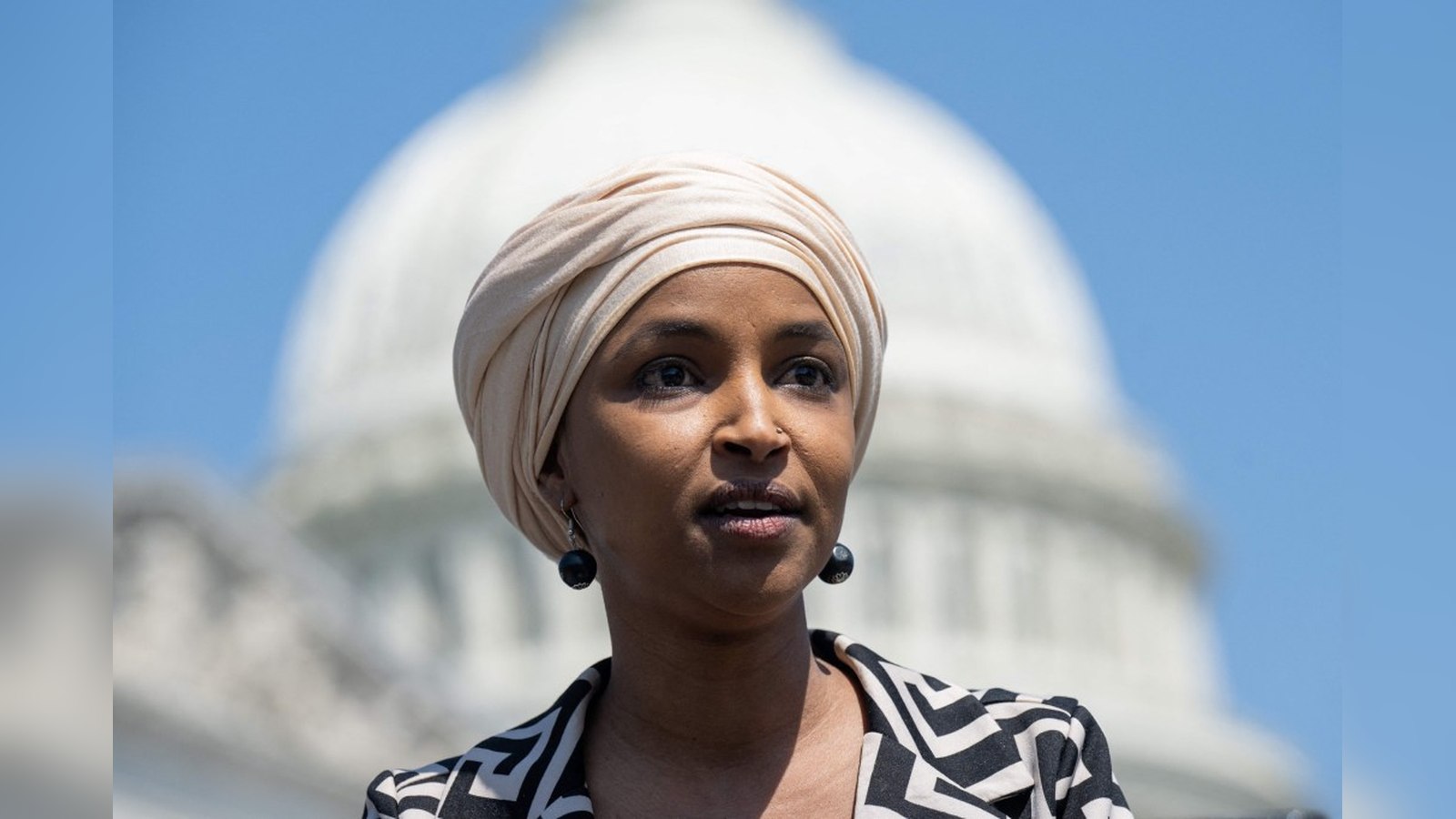
On November 25, 2026, the discussion surrounding Representative Ilhan Omar’s legal standing intensified following public comments from House Oversight Committee Chairman James Comer. Comer, speaking on November 25, predicted that Democratic Representative Ilhan Omar would face a federal indictment, citing an ongoing investigation into her family’s immigration history and financial records, as reported by AOL. The Republican lawmaker alleged that federal authorities possess evidence on “two fronts,” specifically pointing to immigration fraud and welfare fraud as the primary focal points of the Justice Department and the Department of Homeland Security.
While Comer asserted that an indictment is “coming,” he did not present specific evidence or official confirmation from prosecutors to substantiate the claim. Representative Omar has consistently denied any wrongdoing, characterizing the federal investigation as a politically motivated effort to weaponize the Department of Justice against a congressional critic. The probe, which has involved grand jury subpoenas and an October 12, 2026, execution of a search warrant at Omar’s Washington, D.C., home, remains active and largely shielded by procedural secrecy.
The Scope of the Federal Probe
The investigation has drawn significant institutional attention since the October search, during which investigators reportedly seized 17 items, including electronic devices and documents. A federal court recently unsealed 169 pages of redacted documents confirming that the inquiry covers activities dating back to 1980. Reports from the Newsweek indicated that the probe examines the immigration paperwork completed by Omar’s late father, with specific attention directed at whether proper eligibility requirements were met when the family arrived in the United States.
Attorney General Todd Blanche has declined to confirm potential charges, stating in a recent press conference that the Department of Justice does not discuss ongoing investigations. The ambiguity surrounding the inquiry has fueled political debate, with conservative members of Congress, including House Republican Whip Tom Emmer, suggesting that the outcomes could impact Omar’s eligibility to serve in the House. Emmer has argued that if federal authorities determine that Omar’s naturalization process was improperly handled—specifically regarding her age at the time of her father’s naturalization—it would trigger administrative processes that could complicate her status in Congress.
Political and Constitutional Implications
The constitutional requirement that House members hold U.S. citizenship for at least seven years has become a focal point for critics. While there is no official court finding or conviction, the narrative surrounding the potential revocation of citizenship remains a core part of the political discourse. Omar, who was reelected to her Minnesota district on November 3 with 76 percent of the vote, maintains that the investigation has no legal basis. The standoff reflects broader tensions between congressional oversight leadership and progressive members, with both sides awaiting a definitive update from federal prosecutors.
As the legal process continues, observers are watching the grand jury’s next steps. The role of the grand jury is to weigh evidence provided by prosecutors to determine if probable cause exists to return a formal indictment. Until such a step occurs, all claims regarding criminal charges remain speculative. President Donald Trump has stated he is not involved in the matter, deferring the process to the Department of Justice, a position that contrasts with the public commentary offered by Republican leadership in the House. The situation underscores the high stakes of using federal investigative tools against sitting members of the legislature, a practice that continues to draw sharp partisan scrutiny.