


A Season of Escalation
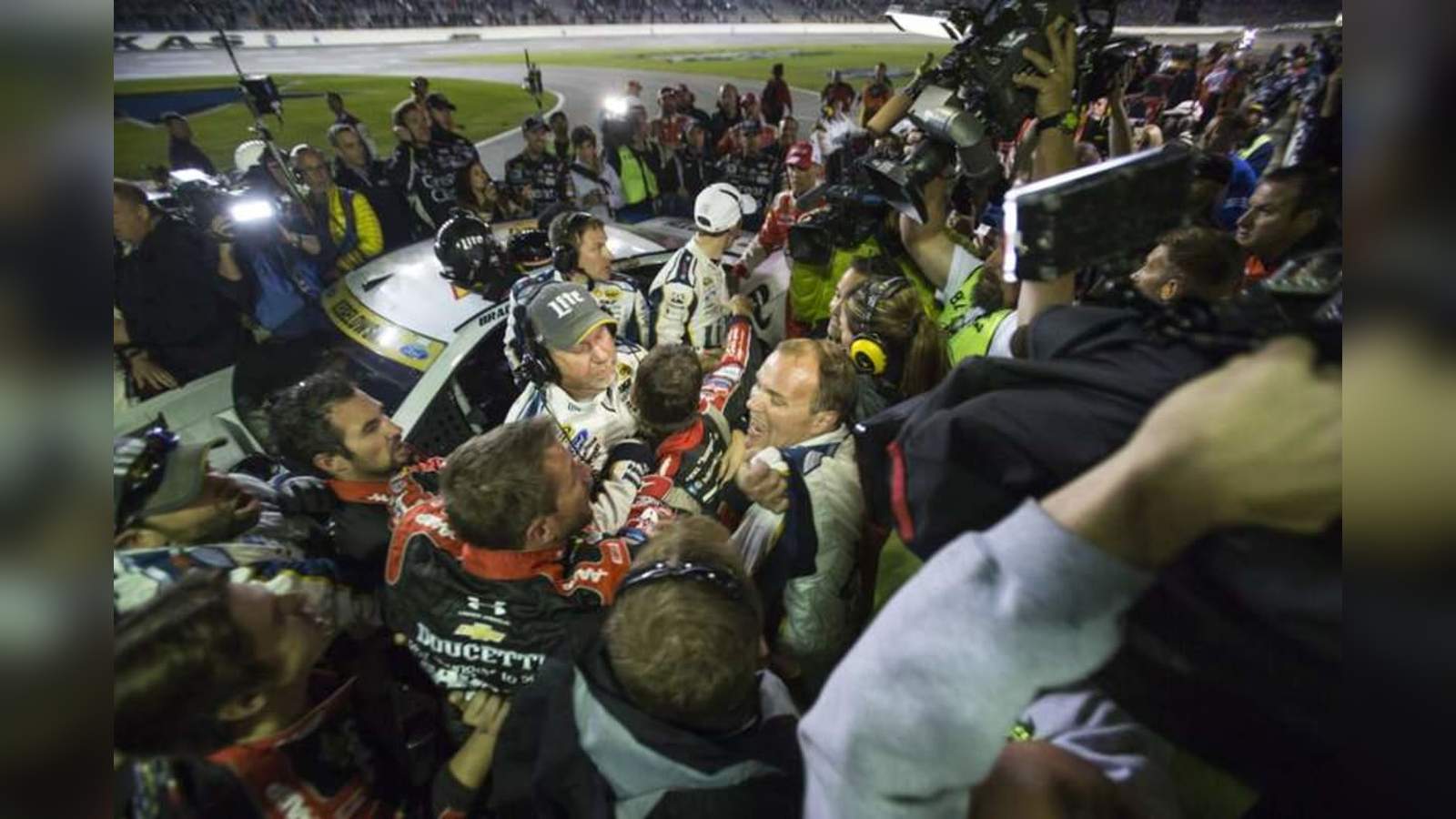
The 2026 NASCAR Cup Series season concluded as one of the most volatile in recent history, characterized by an unprecedented fusion of trackside aggression and formal legal intervention. As documented by AOL, the season moved beyond typical driver-to-driver contact, with incidents ranging from pit-road physical altercations to a high-stakes federal lawsuit involving Joe Gibbs Racing (JGR) and Spire Motorsports. The legal challenge, centered on allegations of proprietary trade secret theft following the departure of former competition director Chris Gabehart, highlights a shift in how organizations manage internal conflicts and competitive intelligence. On November 25, 2026, a federal judge denied a motion by JGR to extend restrictions against Spire, illustrating the limitations of judicial involvement in professional racing personnel matters.
The Hocevar Impact
Much of the on-track friction revolved around Carson Hocevar, who emerged as a consistent catalyst for conflict throughout 2026. Reporting from MotorBiscuit notes that Hocevar’s aggressive driving style, which earned him a $100,000 fine and a suspension from Spire for the season finale following brake-check maneuvers against Austin Cindric at Martinsville, became a defining narrative of the regular season. This rivalry dynamic also permeated his interactions with competitors like Corey Heim, dating back to the 2023 Truck Series, and Ryan Blaney, resulting in physical contact on pit road at Bristol on September 19, 2026.
Institutional and Competitive Stakes
Beyond individual rivalries, the 2026 season underscored a broader struggle for competitive dominance. Toyota’s manufacturers’ success, securing 11 of the first 18 wins in the regular season, forced teams like Ford and RFK Racing to reassess their collaborative strategies. The intersection of these manufacturer battles and the emergence of repeat aggressor patterns—such as the incident between Zane Smith and Hocevar at Phoenix on October 18, 2026, which incurred a $50,000 penalty for Smith—has prompted discussions regarding NASCAR’s current disciplinary framework. While some feuds, such as that between Bubba Wallace and Carson Hocevar, resolved via direct communication, others like the JGR-Spire litigation and the Berry-Blaney brake-check dispute demonstrate a rising trend of external consequences for internal racing conflicts.
Deepening Analytical Framework
The evolution of competitive friction during the 2026 Cup Series campaign demonstrated that traditional internal policing mechanisms within stock car racing are increasingly interacting with external legal and institutional frameworks. Eric Estepp’s breakdown on YouTube, highlighted via AOL, cataloged a wide spectrum of fallout types ranging from immediate verbal warnings to severe multi-thousand-dollar fines and career-impacting suspensions. The systematic ranking of these driver disputes highlights a growing intolerance within the garage and the sanctioning body for actions that cross the line from hard racing into reckless endangerment and deliberate retaliation. The penalty handed down to Josh Berry for his intentional brake-check against Ryan Blaney during the Martinsville Chase elimination race further emphasizes that NASCAR was willing to apply severe championship point deductions alongside monetary fines when telemetry confirmed premeditated hazard on the racing surface.
Legal Precedents and Personnel Mobility
The federal lawsuit between Joe Gibbs Racing and Spire Motorsports represents a watershed moment for organizational conflict management in professional motorsports. Historically, team-to-team disputes regarding personnel migration and technical knowledge were handled through internal industry mediation, gentleman’s agreements, or behind-the-scenes settlements. However, the JGR versus Gabehart litigation brought corporate trade secret law directly into the NASCAR ecosystem. As detailed by MotorBiscuit and AOL, the ongoing legal battle with jury trial demands from both sides establishes a complex legal precedent regarding the ownership of proprietary engineering data and setup philosophies. The federal judge’s November 25, 2026 ruling to deny JGR’s expanded restrictions against Spire underscores the high evidentiary threshold required for an organization to legally restrict an employee’s future mobility within the same racing series, setting a boundary for how far civil litigation can reach into team garage operations.
Driver Dynamics and Escalation Patterns
Carson Hocevar’s involvement in multiple prominent feuds throughout the year cemented his status as the primary focal point of garage tension. Beyond his high-profile run-ins with Ryan Blaney—where Blaney led a race-high 202 laps at Bristol before contact sent him into the wall and relegated him to a 33rd-place finish—Hocevar’s ongoing rivalry with Corey Heim spanned multiple national touring series. Heim’s victory at San Diego and subsequent comments about handing Hocevar a “big fat L” demonstrated how lower-tier hostilities seamlessly transitioned into top-flight Cup Series animosity. Similarly, incidents such as Zane Smith ramming Hocevar’s No. 77 Chevrolet on the Phoenix cooldown lap while ignoring race control directives illustrate how personal animosities frequently eclipsed professional deportment, forcing the sanctioning body to intervene directly with substantial financial penalties.
Manufacturer Influence and Collaborative Pressures
The overarching manufacturer battle between Toyota, Ford, and Chevrolet provided a macro-level framework that magnified individual driver tensions. Toyota’s dominant first half of the season, which included 11 victories out of the first 18 races, compelled rival camps like RFK Racing and Ford performance representatives to re-evaluate their cooperative engineering strategies. Drivers operating within manufacturer stables often found themselves navigating unspoken team-order expectations alongside their personal championship ambitions. This environment fostered intense intra-manufacturer competition, as seen in the aggressive last-lap battle between Tricon Garage teammates Corey Heim and Kaden Honeycutt at Michigan, where Heim defended aggressively by a margin of 0.065 seconds. These collective pressures demonstrated that the 2026 season was shaped not only by interpersonal clashes but also by the relentless engineering and strategic demands of manufacturer supremacy.