


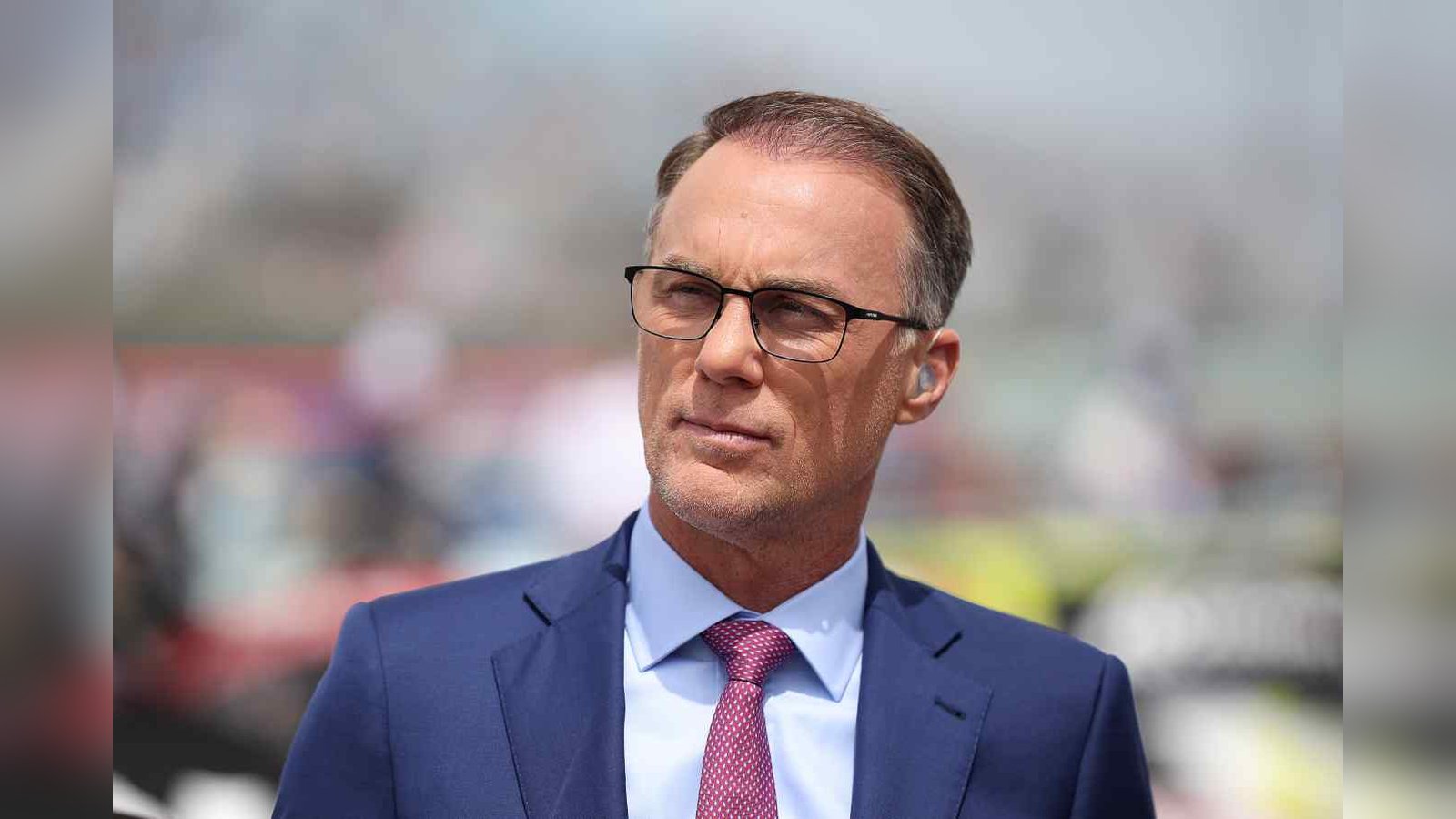
Following Kyle Larson’s securing of his third NASCAR Cup Series title, former champion Kevin Harvick has projected that the Hendrick Motorsports driver possesses the talent and competitive drive necessary to tie the all-time record of seven championships, provided he avoids major injuries in his continued sprint car racing. Harvick delivered the evaluation on a special episode of his Happy Hour podcast, posted Nov. 25, alongside co-hosts Kaitlyn Vincie and Mamba Smith, as reported by MotorBiscuit and detailed by Heavy.com. Larson’s current five-year contract extension with Hendrick Motorsports runs through 2031, at which point he will be 39 years old. However, Harvick and his co-hosts discussed why top-tier drivers frequently continue competing well past their initial retirement expectations, pointing to financial realities and lifestyle factors.
Career Longevity and Financial Realities
Drawing from his own extensive career in which he raced full time in the Cup Series until retiring at age 47 with 60 Cup victories and the 2014 championship, Harvick explained how retirement timelines often shift. “Well, I intended on being done at 42,” Harvick said on the podcast, as cited by MotorBiscuit. “But there is a reality of life and how much you want to save and how you want to live and all those things that come with kids and lifestyles and racing kids and all those things too.” Mamba Smith added perspective on the financial incentives to keep competing, noting that post-retirement compensation checks look different once a driver steps away from full-time racing. Harvick expressed firm belief that Larson will continue racing beyond his current deal, positioning him for a prolonged championship chase.
The Sprint Car Danger and Tony Stewart Parallels
While Larson needs four more titles to join Richard Petty, Dale Earnhardt, and Jimmie Johnson in NASCAR’s exclusive seven-title club, Harvick identified one specific hazard threatening that trajectory. “Here’s the only thing that worries me about Kyle Larson: sprint cars. That’s the only thing that worries me,” Harvick stated, according to Heavy.com. Harvick praised Larson’s immense passion for competing across multiple disciplines, comparing him to three-time Cup champion Tony Stewart. Yet, that same versatility carries significant physical peril. Harvick recalled how Stewart missed the final 15 races of the 2013 season after breaking his leg in an Iowa sprint car crash. Larson co-owns the High Limit sprint car series and, while he trimmed his personal sprint car schedule for the season, he remains deeply connected to the discipline. Harvick noted that while cutting back helps mitigate exposure, remaining active in sprint cars is the sole factor that could abruptly derail a historic seven-title run.
Evaluating the Path Forward
The discussion on the special edition of the Happy Hour podcast, which addressed ten burnout questions regarding the 2027 season and beyond, highlighted the intersection of elite athletic ambition and external hazard. Larson has previously stated that reaching the age of 40 represents his next major personal milestone rather than a hard-and-fast retirement date, noting that the status of his children’s lives will heavily influence his professional timeline. Because his multi-year extension runs through 2031, Larson has an extended window of time to accumulate the four additional championships required to equal the benchmark established by Petty, Earnhardt, and Johnson. Harvick maintained that the driver’s underlying speed and equipment advantage with Hendrick Motorsports leave little doubt about his competitive capacity, leaving health as the singular variable.
Broader Industry Perspectives on Risk and Reward
The analysis from Harvick and his co-hosts underscores a broader conversation within the motorsports community regarding drivers who refuse to confine their racing interests exclusively to the NASCAR Cup Series. Multi-disciplinary competitors often argue that dirt track racing and sprint cars sharpen racecraft and vehicle control under variable grip conditions, yet team owners and veteran observers routinely weigh those benefits against the stark reality of physical vulnerability. In Tony Stewart’s case, his 2013 accident served as a stark reminder of how abruptly a championship-caliber season can be interrupted by a regional dirt track incident. Larson’s decision to trim his personal sprint car schedule indicates an awareness of these competing pressures, even as his ongoing involvement in co-owning and driving within the High Limit series keeps him close to the action. As analysts project the trajectory of Larson’s career into the next decade, the consensus remains that his legacy is entirely within his own control, provided he can navigate the physical hazards of his dirt track pursuits unscathed.