


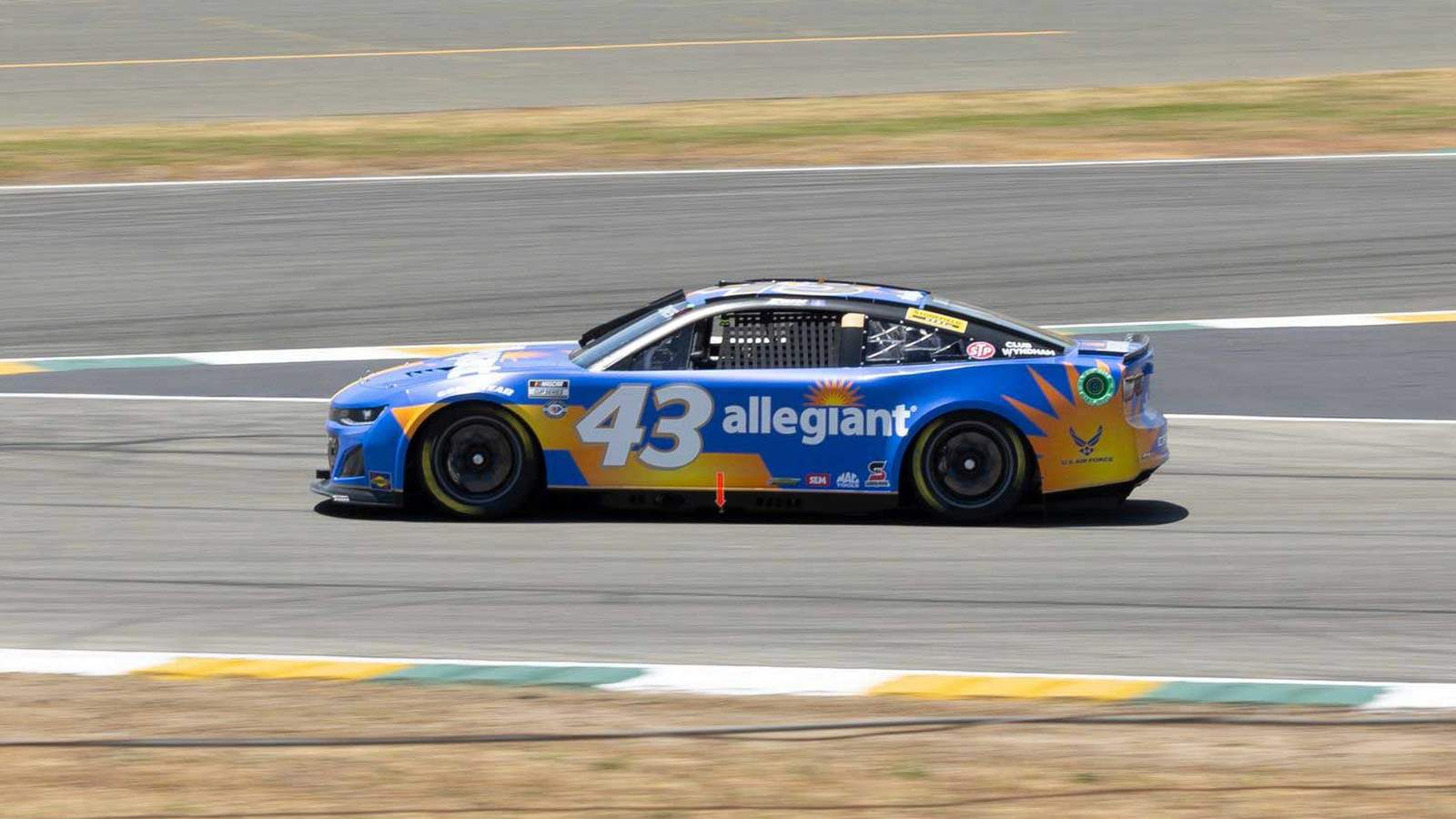
In November 2026, specialized sponsorship agencies guiding beverage and quick-service restaurant (QSR) brands in NASCAR are shifting evaluations away from passive logo exposure toward measurable repeat purchases and app redemptions, according to an analysis published by NetNewsLedger. For everyday, low-cost consumer goods, securing the right series, team, and category rights determines whether a sponsorship generates active store traffic or merely background impressions.
NASCAR reported in September 2026 that its fans are 56% more likely than the average adult to buy from sponsor brands. This high affinity translates into commercial value when structured through tactical planning before contracts are signed.
The Three-Stage Agency Framework
An agency handling a beverage or QSR partnership executes three distinct phases to protect a brand’s investment. First, it secures category rights to verify that no competitor holds existing exclusivity. Second, it builds promotions such as mobile app offers, race-city discounts, and trackside experiences. Third, it measures repeat customer visits, tracking same-store sales and app redemptions rather than relying on broadcast impressions.
According to MRI-Simmons data from July 2026, approximately 83 million U.S. adults are NASCAR fans, including 15 million super fans and 21 million individuals reporting higher engagement than in previous seasons. Because 72% of fans enjoy the unpredictable nature of racing and 70% connect deeply with individual drivers rather than abstract teams, sponsor integration acts as a personal recommendation engine.
Clearing Category Conflicts and Regulatory Hurdles
Before committing capital, agencies audit available inventory across series, team, and single-race levels to prevent costly overlaps. For instance, Hardee’s became NASCAR’s Official QSR partner in 2026—the first since 2008—replacing McDonald’s at 23XI Racing after a gradual reduction in team commitment spanning prior seasons.
Beverage brands face similar scrutiny. Coca-Cola and Busch Light hold Premier Partner positions as of 2026, requiring competing drink labels to verify rights availability. Furthermore, alcohol brands must comply with strict regulatory thresholds; the Beer Institute mandates that alcohol advertisements only run where at least 73.8% of the audience is 21 or older, precluding placements in youth-oriented digital channels like NASCAR’s Roblox environment, where over 60% of users are under 18 according to NASCAR’s 2026 metrics.
Activation and Measurable Return on Investment
Effective QSR activation connects race outcomes directly to consumer behavior. Race-result app offers—such as discounts unlocked by a sponsored driver’s victory—drive mobile engagement and local store visits. Independent agencies with decades of motorsport benchmarking help brands navigate these mechanics, shifting advertising budgets toward verifiable consumer transactions.
Everyday, low-cost purchases such as drinks and fast food benefit most from NASCAR fan brand loyalty, because fans can act on it every week. A fan who sees a sponsor’s car on Sunday can buy that brand’s drink at lunch on Monday and stop at its restaurant on Friday, with no major financial decision in between. The audience is also large. The Cup Series reached over 39 million unique TV viewers in 2026, according to NASCAR. Together, these figures point to a wide group of people who already trust sponsors and buy the same products again and again. An agency’s task is to connect that trust to a specific offer at a specific time.
Sponsor categories change often in NASCAR, so an agency checks what is still available before a brand signs. That check prevents a costly surprise after the contract is already in place. For a restaurant brand, this matters because a series title, a team deal, and a single-race package are separate rights that can sit with different companies. An agency tracks which of those rights are open at series, team, and track level, and then advises on where a brand has room to compete.
Brands new to this topic can look at specific operational goals. Increasing app use pairs with race-result app offers measured by app downloads and redemptions. Lifting local sales relies on race-city deals tracked through same-store sales in race-weekend markets. Bringing fans back depends on track or fan-zone experiences measured by return visits among opted-in attendees.
Before approaching a single team, beverage and QSR brands looking to hire a sports marketing consultant for sponsorships benefit from an independent NASCAR sponsorship agency that has spent over 30 years benchmarking what the different tiers actually have to offer. An independent agency works only for the brand and never for teams or series. It brings over 30 years of experience in motorsport sponsorship, has worked across multiple racing series to compare options fairly, plans promotions during contract talks instead of after the deal is signed, and delivers return-on-investment reports built for leadership so results are easy to present.