


Long before modern laboratories began splicing genes, soil microorganisms were naturally altering the blueprints of essential food crops. Recent scientific findings, including studies published in Planta, have expanded our understanding of horizontal gene transfer by showing that staple foods carry naturally acquired foreign DNA inserted by soil microbes called Agrobacterium. This biological phenomenon demonstrates that genetic modification is not exclusively a human invention, providing vital historical context for modern food science and agricultural biotechnology.
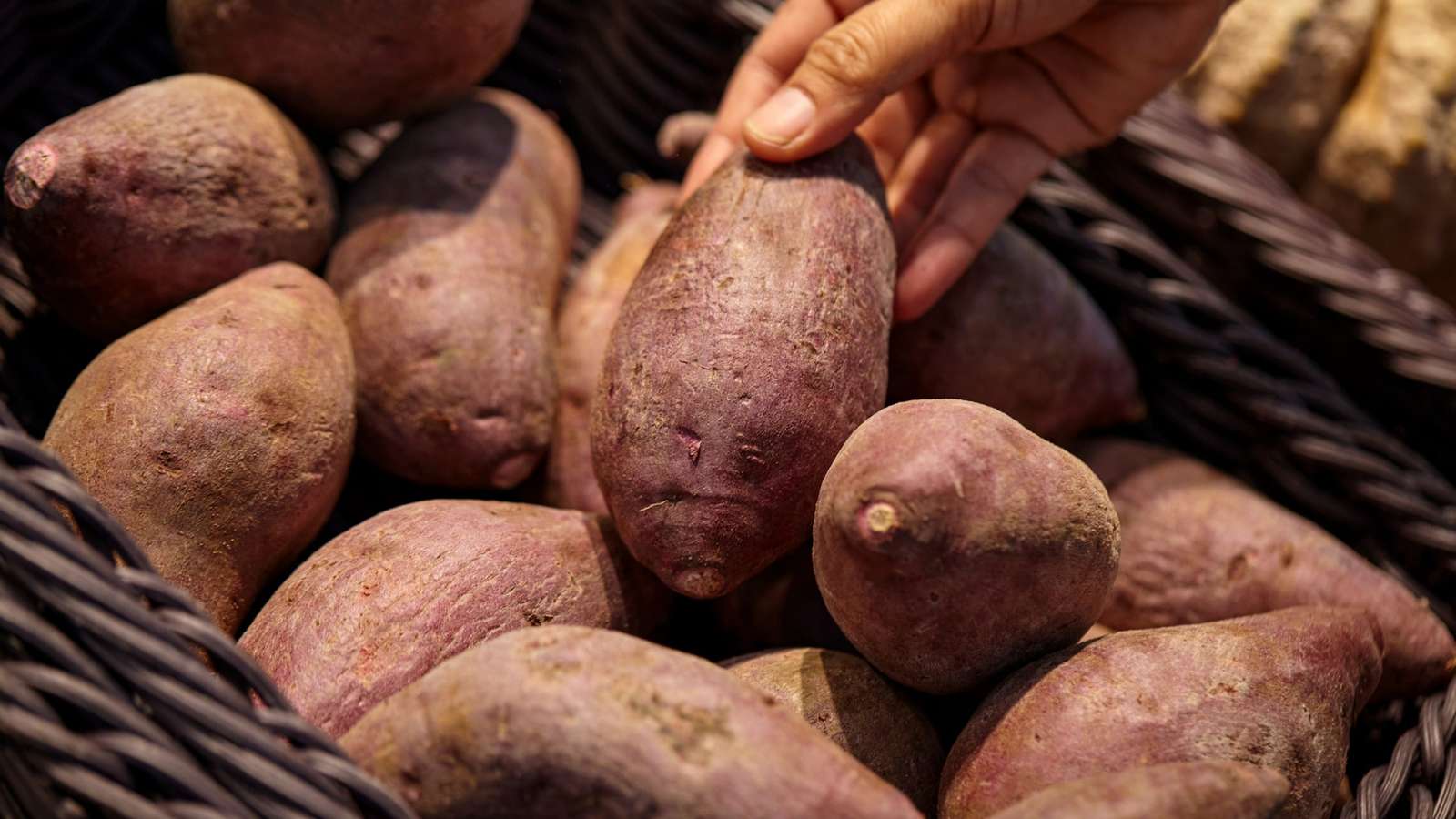
In a landmark discovery initially reported in the Proceedings of the National Academy of Sciences in May 2015, researchers at the International Potato Center in Lima, Peru, and Ghent University found that cultivated sweet potatoes (Ipomoea batatas) from across the globe contained foreign bacterial genes. Virologist Jan Kreuze, who led the 2015 study, noted that these sequences were present in 291 tested sweet potato cultivars spanning the U.S., Indonesia, China, and parts of South America and Africa, but were absent in wild relatives. More recent research published in Planta has further elucidated that these naturally acquired genes help plants withstand temperature fluctuations, defend against pathogens, and reduce oxidative damage, pointing to a deep evolutionary history of natural agricultural resilience.
The Mechanics of Natural Gene Transfer
The driving force behind this natural genetic modification is Agrobacterium, a ubiquitous soil bacterium capable of transferring a segment of its own DNA—known as T-DNA—into host plant cells. When the bacterium infects plant tissue, the T-DNA integrates into the cell’s nucleus, permanently altering the plant’s genome and allowing the host to read and express the foreign genetic material. While this mechanism typically serves the pathogen’s survival in the wild, it can also confer unexpected evolutionary advantages to the plant host.
Scientists believe that over millennia, harmful bacterial genes were gradually lost from the sweet potato genome, while beneficial genes persisted. When ancient farmers in Central and South America began domesticating these roots roughly 8,000 years ago, they inadvertently selected crops carrying traits influenced by these foreign sequences. These genetic additions likely contributed to the development of the swollen, nutrient-rich storage roots that define modern sweet potatoes. Greg Jaffe, a biotechnology expert at the Center for Science in the Public Interest, noted in reporting by NPR that anyone familiar with genetic engineering understands how readily Agrobacterium interacts with plant genomes in natural environments.
Expanding Scope Beyond Sweet Potatoes
While the sweet potato remains a primary case study, recent scientific surveys indicate that natural genetic modification is remarkably widespread across the plant kingdom. In a comprehensive study published in August 2026, researchers identified more than 2,600 species of naturally occurring genetically modified plants, estimating that roughly 12 percent of all land plant species may carry bacterial-inserted DNA. In addition to sweet potatoes, researchers have identified similar genetic signatures in other everyday produce, including cranberries, cinnamon, and various spices, showing that horizontal gene transfer has shaped many plants consumed globally.
According to food and agricultural organizations, the sweet potato ranks as a critical staple crop, particularly in parts of Africa and Asia where it serves as a robust food source when other harvests fail. Understanding that these traits arose naturally provides important context for regulatory bodies and scientists evaluating crop safety. While these discoveries may not resolve all consumer debates surrounding modern commercial GMO practices—which often involve intellectual property and pesticide use—they underscore that the fundamental biological mechanisms underpinning crop engineering have ancient, natural precedents.