


Addressing the Sustainability Gap in Wild-Harvested Plants
A new collaborative framework, the Wild Harvest Improvement Project (WHIP), has been launched to mitigate the risk of extinction for species frequently used in food, medicine, and cosmetics. Developed by the global wildlife trade monitoring network TRAFFIC and the British consultancy Biodiversify, the framework provides a structured pathway for companies and local harvesters to improve the sustainability of their supply chains.
Wild-harvested ingredients, such as argan oil, liquorice, and frankincense, serve as critical economic resources for millions of people. However, these species are increasingly threatened by climate change, habitat loss, and overharvesting. The WHIP initiative aims to bridge the gap between initial sourcing and full-scale sustainability certification, which many producers currently find inaccessible due to high costs and lack of visibility.
Pilot Programs and Strategic Implementation
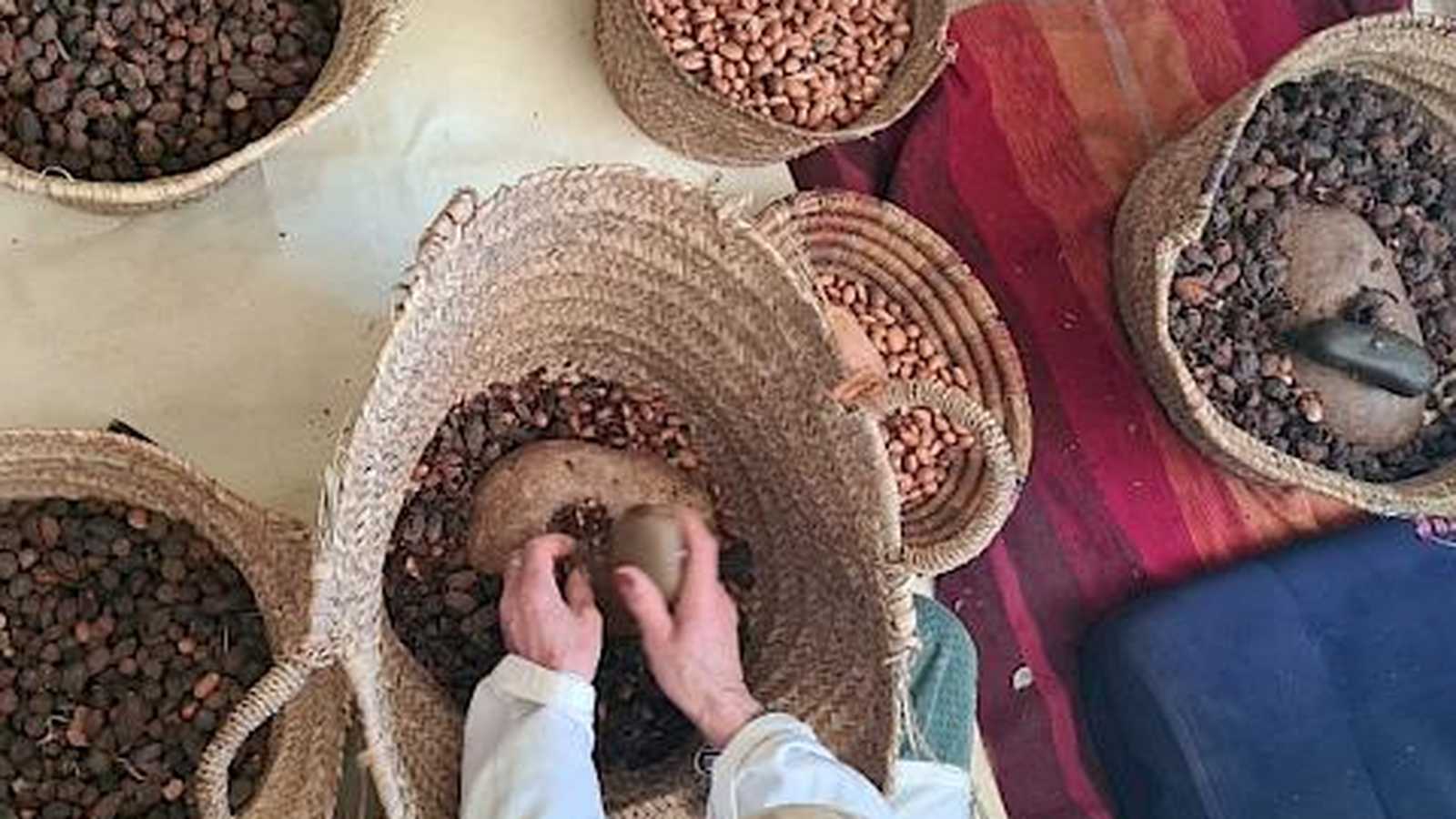
The framework has already been piloted in Morocco, focusing on argan kernels, and in Uzbekistan, targeting liquorice roots. These pilots demonstrated that community-led governance can lead to more equitable trade while protecting biodiversity. The project was funded by the UK Government through the Darwin Initiative and involves a coalition of partners, including the Global Diversity Foundation (GDF), MBLA, and the FairWild Foundation.
Unlike traditional “all-or-nothing” certification models, WHIP functions as a flexible, step-by-step action plan. It requires participants to publicly declare their involvement and provide evidence of incremental improvements in biodiversity management and labor conditions. This transparency allows companies to track their progress and reduce supply chain risks, particularly as global businesses align with the 2030 goals set by the Kunming-Montreal Global Biodiversity Framework.
Next Steps for Industry and Supply Chain Transparency
TRAFFIC is urging companies to assess their exposure to wild-harvest risks by utilizing the WildCheck platform. By identifying “hidden” ingredients that often bypass standard supply chain data, businesses can begin implementing ethical sourcing practices. The initiative emphasizes that sustainability is not achieved by exiting these supply chains, but by investing in the people who manage these ecosystems, thereby ensuring long-term resilience for both the environment and local livelihoods.