


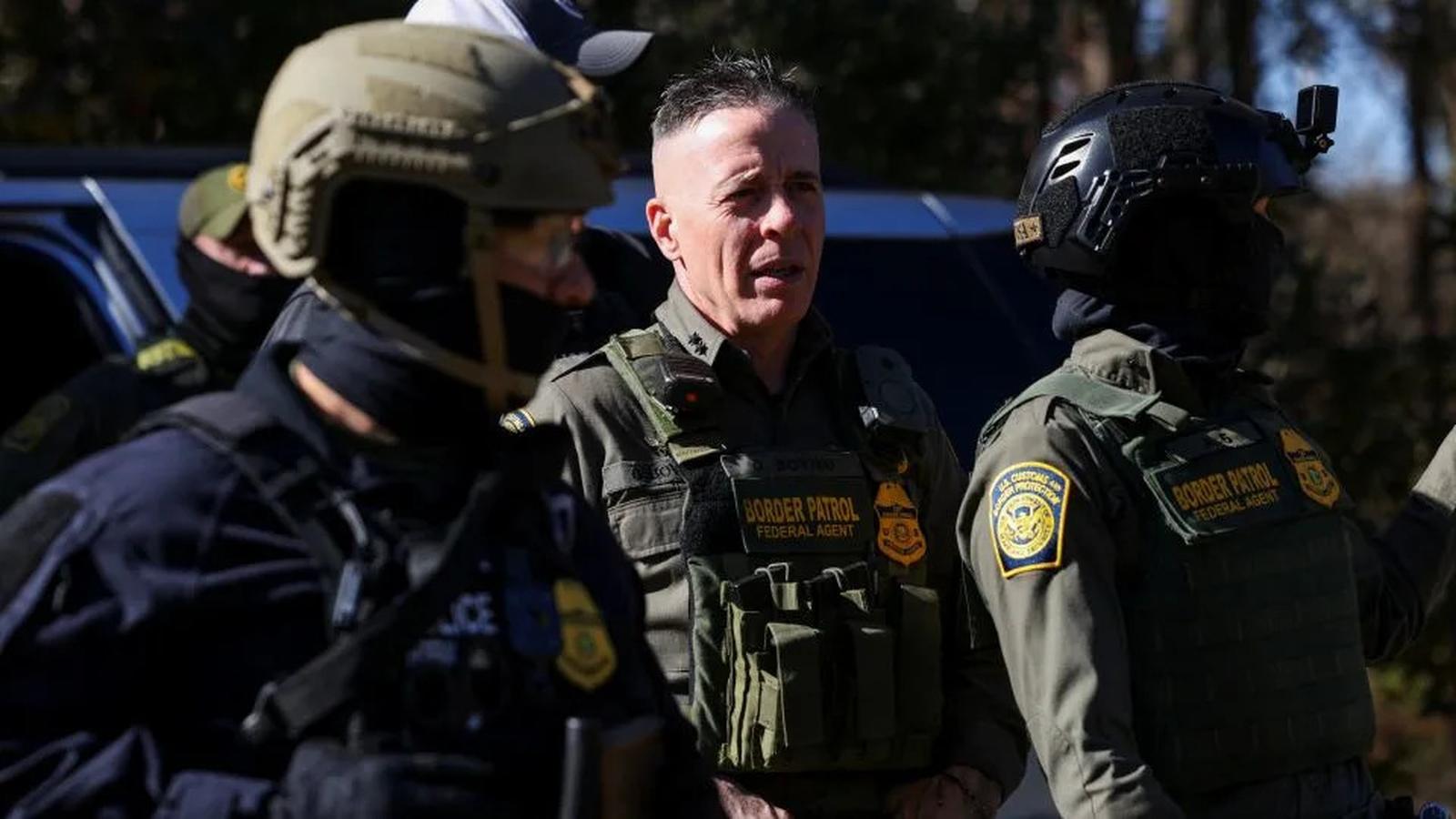
New Enforcement Protocols Take Effect
Beginning October 1, North Carolina will implement two legislative acts, House Bill 496 and Senate Bill 153, which mandate that specific state agencies engage in federal immigration enforcement. The laws, passed earlier this year by the North Carolina General Assembly, require state law enforcement and health departments to establish formal agreements with U.S. Immigration and Customs Enforcement (ICE).
Under the new mandates, the State Highway Patrol, the State Bureau of Investigation, the Department of Public Safety, and the Department of Adult Corrections are required to integrate immigration enforcement tasks into their daily operations. Additionally, the Department of Health and Human Services (DHHS) must now report individuals to ICE who apply for Medicare but fail to demonstrate “satisfactory immigration status,” as reported by the Elon News Network.
Operational Changes and Legal Concerns
The legislation represents a departure from previous voluntary collaborations, such as 287(g) agreements, which historically focused on flagging individuals already in custody. These new laws require agencies to identify potential immigration violations during routine interactions, such as traffic stops. Heather Scavone, an assistant professor at Elon Law, noted that this shift creates significant risks for wrongful detention, particularly for U.S. citizens who are not required to carry proof of citizenship at all times.
“It is asking people who are not subject matter experts to make legal conclusions about the immigration status of individuals, and they are not equipped to do that,” Scavone stated. Legal experts caution that the lack of specialized training for state employees could lead to increased liability and civil rights challenges. Furthermore, there is concern that the DHHS provision could inadvertently report legal residents who are ineligible for Medicare for reasons unrelated to their immigration status, potentially causing unnecessary legal complications for those individuals.
Institutional and Political Stakes
The bills received support from key legislators, including Amy Galey, Stephen Ross, and Dennis Riddell, who argued that the measures are necessary for state border security. Conversely, the North Carolina branch of the American Civil Liberties Union (ACLU) has issued sharp criticism of the legislation. In a press release following the passage of SB 153, the ACLU stated that the laws “deepen the state’s entanglement with a system that spreads fear, confusion and harm,” arguing that the expansion of enforcement responsibilities will lead to further abuse within communities.
As the October 1 deadline approaches, state agencies are finalizing their compliance protocols. The primary challenge remains the potential for inconsistent application of the law, given the broad nature of the reporting requirements and the lack of comprehensive training for non-enforcement personnel.