


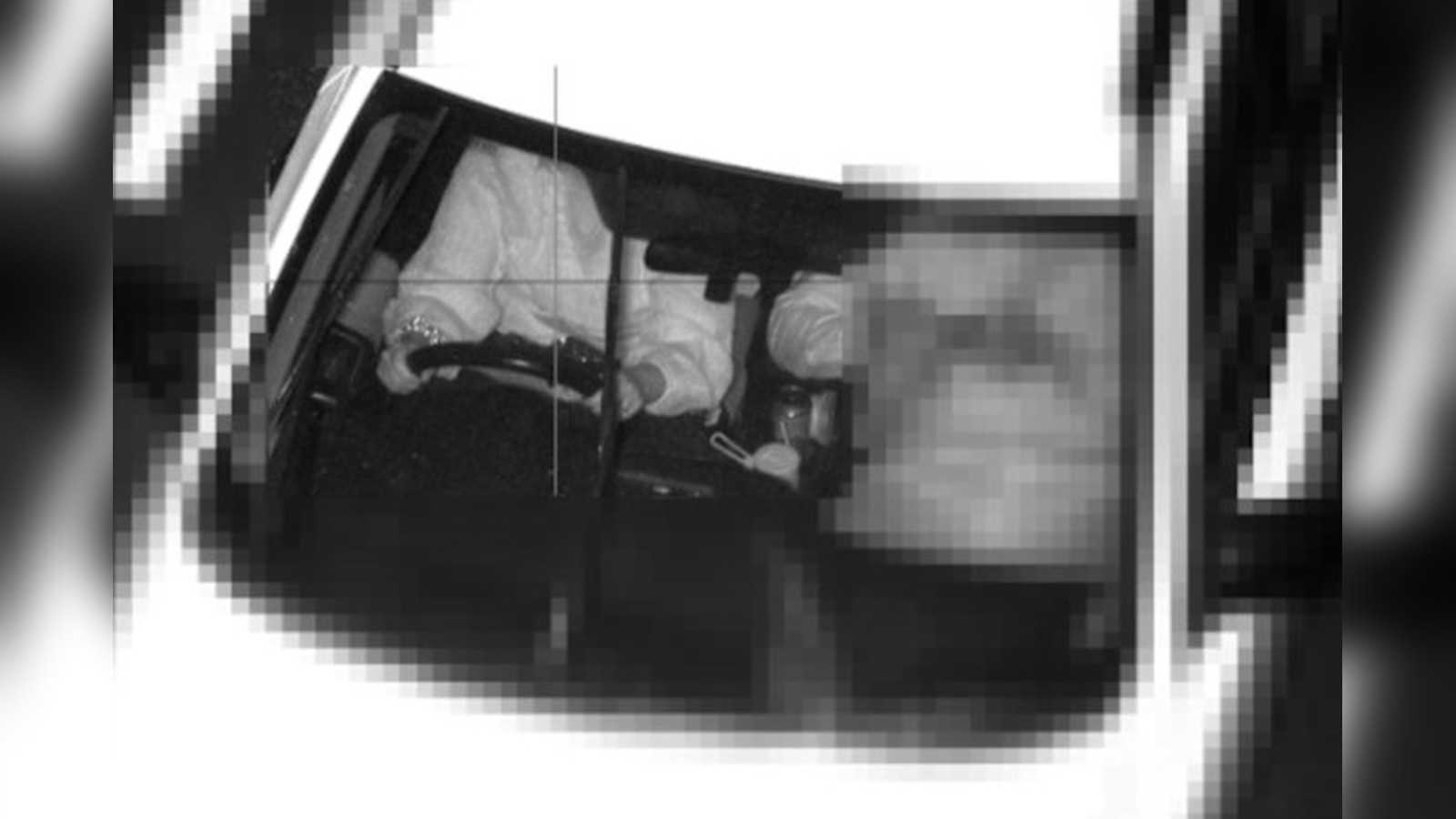
Motorists across New South Wales are pushing back against a wave of automated penalties as a growing number of drivers challenge the validity of AI-powered camera evidence. The dispute has brought renewed scrutiny to the state’s automated road safety program, with critics arguing that blurry and indecipherable images are resulting in unjust fines and unnecessary administrative burdens for motorists.
The controversy is underscored by cases such as that of John, a former lawyer who asked for his surname to be withheld, as reported by Nine.com.au. John’s adult daughter, visiting Australia from England during a rainy weekend in June, was captured by an automated camera on the Pacific Motorway at Calga while driving from Sydney to the Central Coast. The alleged infraction carried a $423 fine and three demerit points. However, John argued that the photos provided by Revenue NSW were insupportable due to torrential rain that washed out the black seatbelt to white and obscured it among clothing folds. He contended that a black windscreen wiper in the heavy downpour may have been mistakenly flagged as an incorrectly worn seatbelt, noting that the vehicle’s own safety alarm would have sounded if the belt had actually been unbuckled.
After submitting an initial dispute, John’s appeal was rejected and accompanied by standard advice detailing proper seatbelt usage—a response he characterized as an insult before requesting a secondary review. His experience mirrors that of other drivers, including Sydney motorist Renee and her partner Dean, who earlier publicised a $423 fine where they claimed the photographic evidence failed to capture a critical detail showing where the seatbelt rested across the shoulder (SSB Crack).
Surging Penalties and Enforcement Model
The rising public frustration coincides with a dramatic escalation in enforcement metrics across the state. According to administrative figures, Revenue NSW has issued 71,916 penalty notices for seatbelt offences this year, generating approximately $59.8 million in revenue. Broader motoring reports, including data from the NRMA, indicate that automated detection cameras have driven a staggering multi-fold increase in penalties compared to prior enforcement baselines, leaving tens of thousands of motorists facing substantial financial hits.
Under the New South Wales enforcement model, mobile phone and seatbelt detection cameras rely on advanced algorithms to scan passing vehicles and flag potential violations. Images flagged by the software are subsequently forwarded for human verification. Revenue NSW maintains that every flagged image undergoes a manual check by trained human operators from Transport for NSW and Revenue NSW before a penalty notice is issued, ensuring that unwarranted fines are intercepted.
Official Stance and Strakes
State officials defend the camera program as a vital public safety initiative designed to curb road fatalities rather than generate revenue. NSW Roads Minister Jenny Aitchison stated that between 2021 and 2025, preliminary data shows 162 people died on New South Wales roads while not wearing an available seatbelt, including 29 lives lost in 2025 alone. “The seatbelt detection camera program is about saving lives,” Aitchison said, emphasizing the lethal risks associated with unrestrained travel.
Despite the government’s emphasis on safety outcomes, motorists and legal observers argue that the reliance on automated systems places an unfair burden of proof on citizens when image quality is compromised. While individuals who believe a fine has been issued incorrectly are encouraged to request formal reviews through Revenue NSW, affected drivers like John maintain that navigating bureaucratic appeal processes over inconclusive evidence remains an avoidable frustration.