


Crisis Escalation in Oleshky
The operation involved dropping about four metric tons of emergency food, water, and medical supplies across 100 distribution points in the besieged city and surrounding villages. Located across the Dnipro River from Kherson, Oleshky has experienced a total halt in regular ground humanitarian access since May as occupying forces expanded minefields and reinforced drone surveillance. Local officials told bne IntelliNews that conditions deteriorated to the point where remaining residents, including 50 children, have resorted to foraging edible weeds, cooking soup with courgette grown in apartment flower boxes, and consuming household pets to survive.
The Logistics of Drone-Based Relief
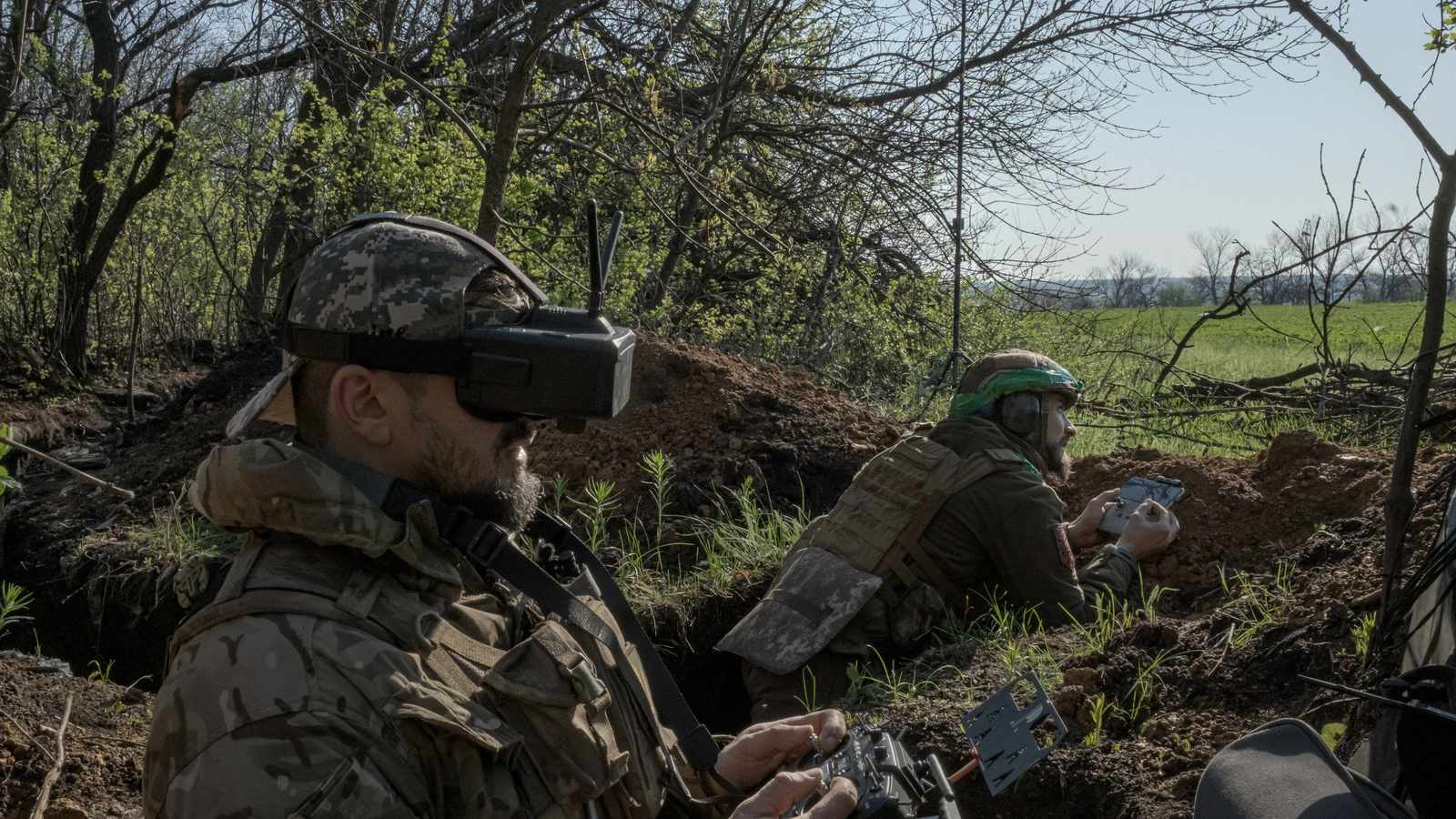
With ground convoys blocked or attacked—including an incident on September 1 where a food convoy came under fire—Ukrainian authorities turned to unmanned aerial vehicles to bypass the strict occupation blockade. Kherson military governor Oleksandr Prokudin stated that the weekend airdrop represented the largest operation of its kind so far. However, local administrators noted that the intervention faces severe limitations, as occupation troops frequently intercept delivered packages and have reportedly arrested civilians attempting to retrieve the provisions.
Diplomatic Pressure and Institutional Stakes
Ukrainian Foreign Minister Andrii Sybiha raised the humanitarian crisis at the United Nations General Assembly in New York, warning of an unfolding catastrophe and accusing Moscow of blocking evacuations and using civilians as human shields to deter potential counteroffensives. Meanwhile, Kremlin spokesperson Dmitry Peskov acknowledged the critical situation in Oleshky but placed the blame on Ukrainian forces, alleging that Kyiv was obstructing relief efforts meant for local inhabitants. As winter approaches, regional administrators warn that the lack of infrastructure, electricity, and basic provisions threatens the immediate survival of everyone remaining in the settlement.