


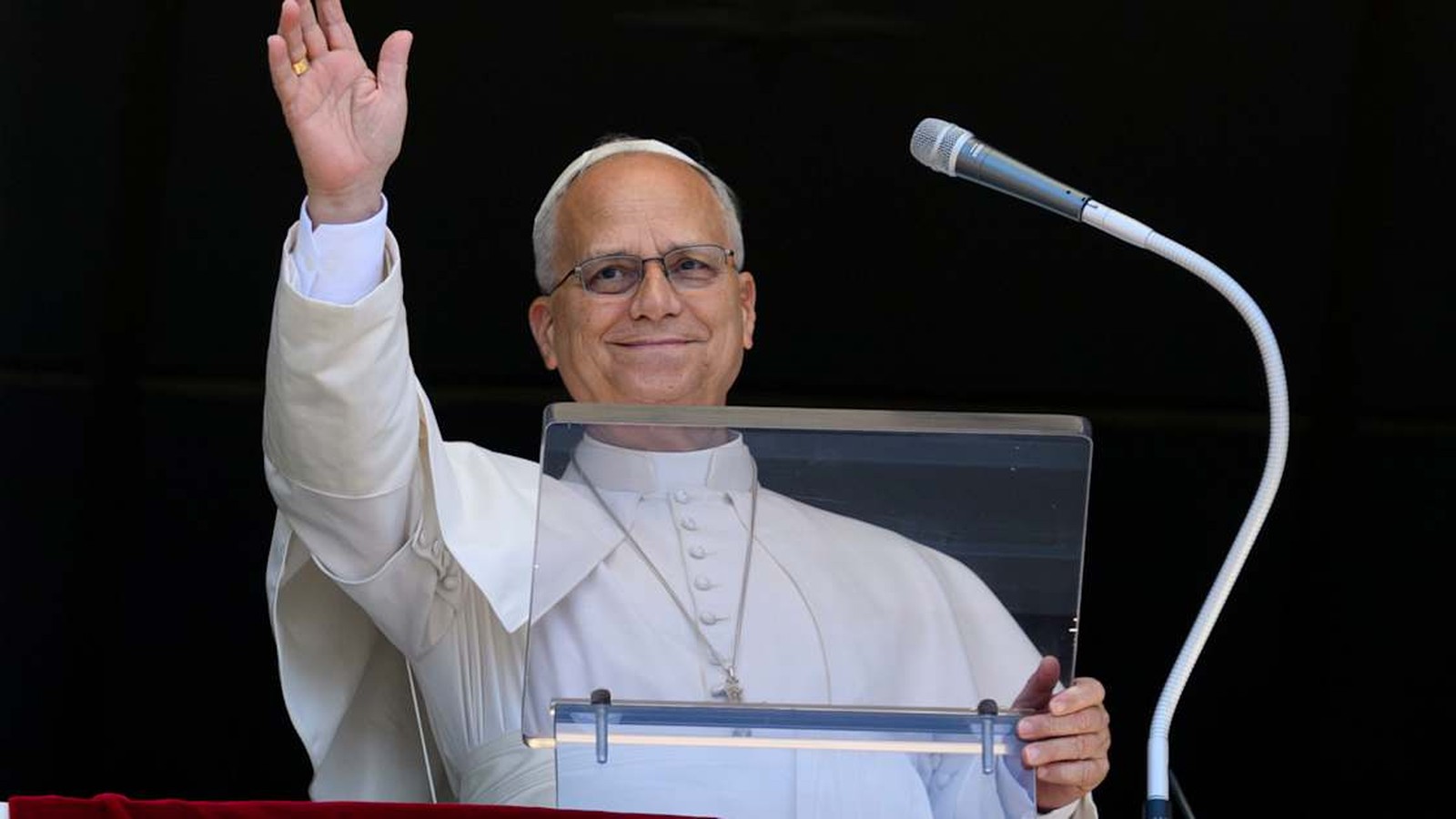
A Shift in Papal Governance
Pope Leo XIV has begun his summer residency at the papal retreat in Castel Gandolfo, concluding a whirlwind first half of 2026. The Vatican confirmed that all audiences are suspended until July 27, as the Pontiff transitions to the Apostolic Palace overlooking Lake Alban for a period of reflection and rest.
The past few months have marked a departure from initial expectations of a quiet papacy. Since his election in May 2025, Leo has evolved from a leader focused on internal learning to a decisive global statesman. Biographer Austen Ivereigh noted that while Leo initially showed hesitation regarding international affairs, he has recently emerged as a “guardian of the global conscience,” particularly in his vocal opposition to the ongoing war in Iran and his critique of the international legal order.
Global Stance and Institutional Reform
Leo’s recent activities have centered on high-profile interventions. On July 4, he visited the Sicilian island of Lampedusa to honor migrants who lost their lives seeking safety in Europe. This gesture served as a pointed message to both European and U.S. leaders, emphasizing the moral obligation to welcome and integrate those fleeing hardship.
His influence is further evidenced by his recent encyclical, “Magnifica Humanitas,” which calls for strict regulation of artificial intelligence, specifically prohibiting the delegation of lethal decisions to autonomous systems. Within the same document, Leo issued a historic apology for the Vatican’s 15th-century role in facilitating the trans-Atlantic slave trade—a move that has reignited discussions on historical accountability.
Domestically, Leo has demonstrated a firm hand in governance. Last Thursday, the Vatican declared the Society of St. Pius X (SSPX) to be in formal schism following the illicit consecration of four bishops. By excommunicating the group’s leadership, Leo has signaled a commitment to maintaining ecclesiastical unity, asserting that his focus on dialogue does not preclude the enforcement of canon law.