


Clinical Strategies for Spinal Health During Transit
As of November 24, 2026, medical specialists are emphasizing proactive physical management to address the widespread issue of travel-induced back pain. Data from long-term research highlights that back pain remains a leading global cause of disability, with over half a billion cases recorded worldwide by 2020. According to DNYUZ, experts from the Cedars-Sinai Spine Center and Northwestern University note that travel disrupts critical movement routines, increasing the risk of both chronic flare-ups and acute injuries. Physiatrist Andrew Bach of the Cedars-Sinai Spine Center attributes travel-related pain to the unique physical demands of transit, such as repetitive bending, prolonged sitting in unsupportive seats, and the strain of carrying heavy luggage. The combination of sustained static positioning and unfamiliar physical tasks creates significant spinal stress. Furthermore, medical experts point out that the associated stresses of navigating tight schedules and airports—coupled with frequent sleep disruption—can heighten the nervous system’s sensitivity to physical discomfort, worsening potential back issues.
Ergonomic Adjustments and Proactive Movement
To mitigate these risks, specialists recommend several tactical adjustments. Packing light is the foundational strategy; Dr. Bach suggests utilizing a fanny pack to avoid the uneven weight distribution caused by single-shoulder bags. Maintaining weight balance is essential to prevent muscle tension that often follows carrying heavy totes or laptop bags. Dawn Brown, an assistant professor of physical therapy and human movement sciences at the Northwestern University Feinberg School of Medicine, highlights the necessity of pre-travel activity. Dedicating ten minutes to walking or gentle stretching before entering a car or boarding a plane helps hydrate spinal discs and increases overall mobility. This preparation is critical for the body to withstand the static loading of a long travel day.
Managing Transit and Post-Travel Recovery
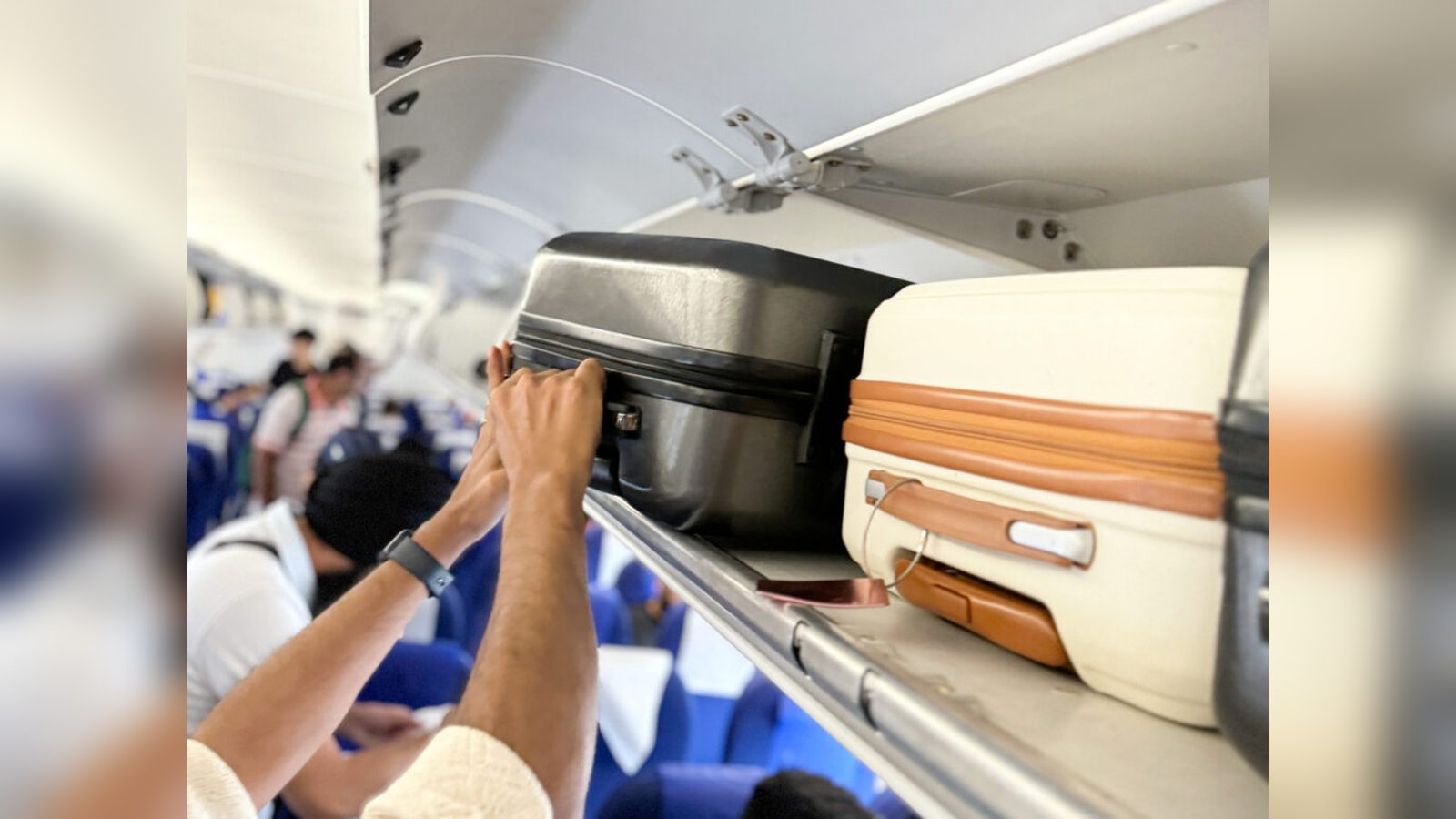
During transit, experts advise frequent, small-scale movements. Physical therapist Ethan Triplett of Orlando Health Rehabilitation and Sports Medicine Center emphasizes the importance of shifting positions, even while seated. If space is limited, subtle twists or adjustments can alleviate disc compression. For added support, placing a rolled-up jacket or travel pillow against the lumbar curve promotes a neutral spine, reducing the strain caused by slouching. Regarding luggage, travelers are cautioned to lift with their legs rather than their backs, keeping all heavy items as close to the body as possible to maximize spinal stability, as lifting while twisting significantly increases the risk of injury.
If discomfort persists after arrival, medical professionals advise against total rest. Instead, gentle movement, such as easy walking or targeted stretching, is recommended to manage muscle stiffness. Over-the-counter anti-inflammatories, including acetaminophen or ibuprofen, may also assist in recovery. Andrew Hanna, a specialist at the Back & Neck Health Center at MemorialCare Long Beach Medical Center, notes that most travel-related back pain resolves within a few days. However, he warns that if symptoms do not improve after four weeks or if pain continues to return, travelers should seek a professional medical evaluation to rule out underlying spinal conditions that require dedicated clinical treatment.