


Strategic Rationale for the Benghazi Strike
The Ukrainian government has formally defended a drone strike conducted against Russian naval vessels in the Libyan port of Benghazi, framing the operation as a legitimate exercise of its right to self-defense under Article 51 of the UN Charter. The attack, which took place on the morning of November 22, 2026, targeted the Russian corvette Merkuriy and the cargo vessel Angara. Kyiv’s foreign ministry asserts that these vessels are integral components of Russia’s military logistics, used to transport weaponry that sustains the ongoing war against Ukraine. Foreign Ministry spokesperson Heorhii Tykhyi explicitly rejected claims that the strike expanded the geographical scope of the conflict, maintaining instead that Ukraine is entitled to strike military targets—including warships and supply vessels—regardless of their location, whether on Russian territory or in international waters, as reported by Meduza.
Operation Details and Institutional Impact
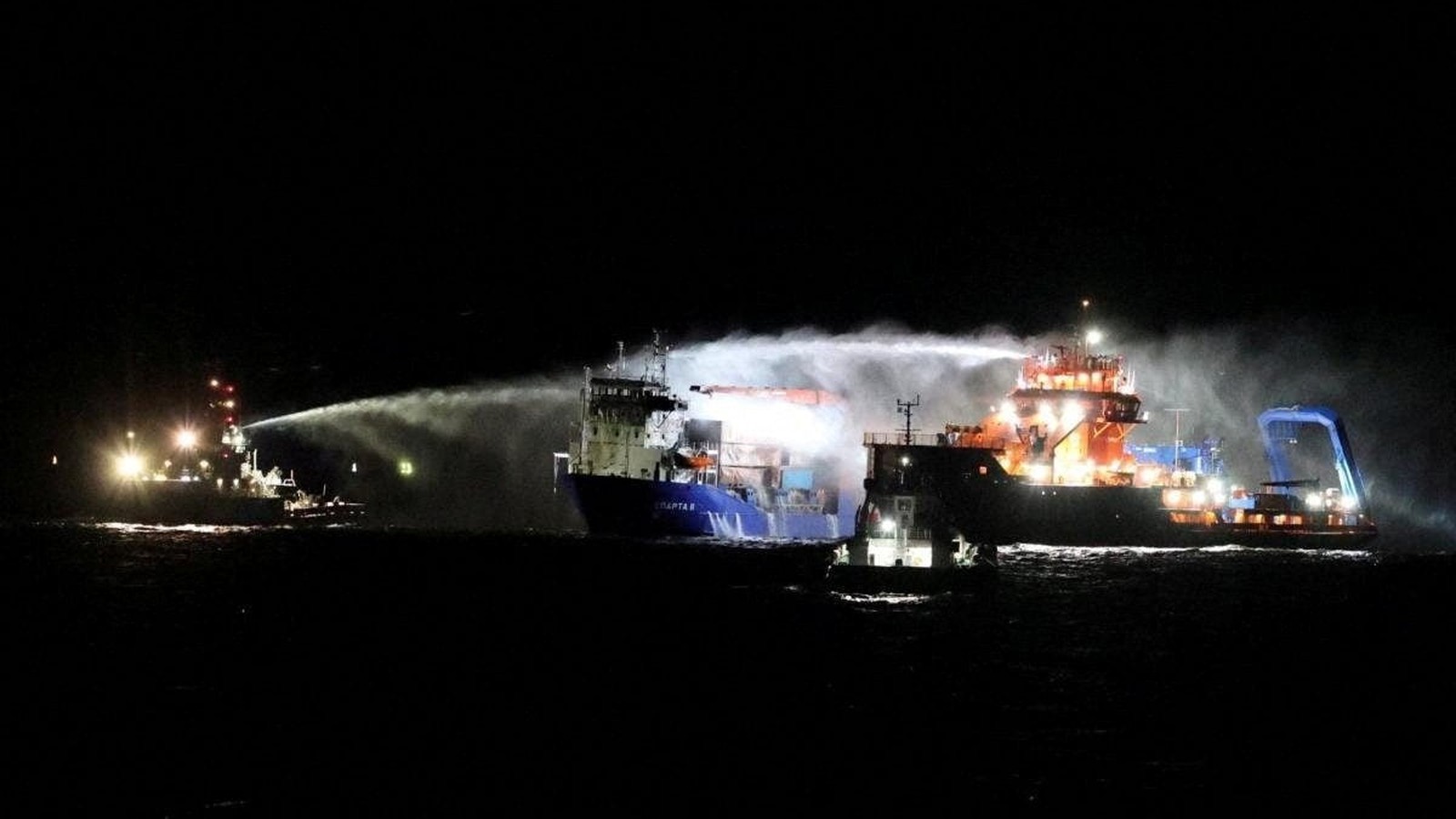
According to sources familiar with the mission, Ukrainian forces monitored the movements of these vessels for several months prior to the strike. Seven naval drones were reportedly deployed from a vessel in the Mediterranean Sea. The impact was significant for the Russian corvette Merkuriy, which suffered secondary explosions of its onboard weaponry, including torpedo tubes and Kh-35 missiles. The cargo ship Angara, which is already under both U.S. and European sanctions, was also struck but remained afloat, as documented in an article by TimesLIVE. While Ukrainian officials confirmed the operational success of the strikes against these military supply chains, international reporting from Al Jazeera has indicated that both Russian and Libyan citizens were killed in the incident, although precise death tolls remain unverified.
Geopolitical and Diplomatic Consequences
The Kremlin has refrained from directly addressing the incident, with officials suggesting that inquiries regarding the status of the vessels be directed to the Russian Ministry of Defense. This silence stands in stark contrast to the explicit justification provided by Kyiv, which claims that Russia’s use of foreign civilian infrastructure for military purposes is the primary factor that placed the region at risk. The strike marks an escalation in the maritime dimension of the conflict, signaling that Ukraine views the Russian “shadow fleet” and its naval logistical support systems as vulnerable targets far beyond the traditional front lines of the war. As the situation develops, observers are watching for potential diplomatic reactions from Libyan authorities and further updates regarding the status of the damaged vessels and the total casualties sustained during the operation.