


A Call for Regional Stability Amid Escalation
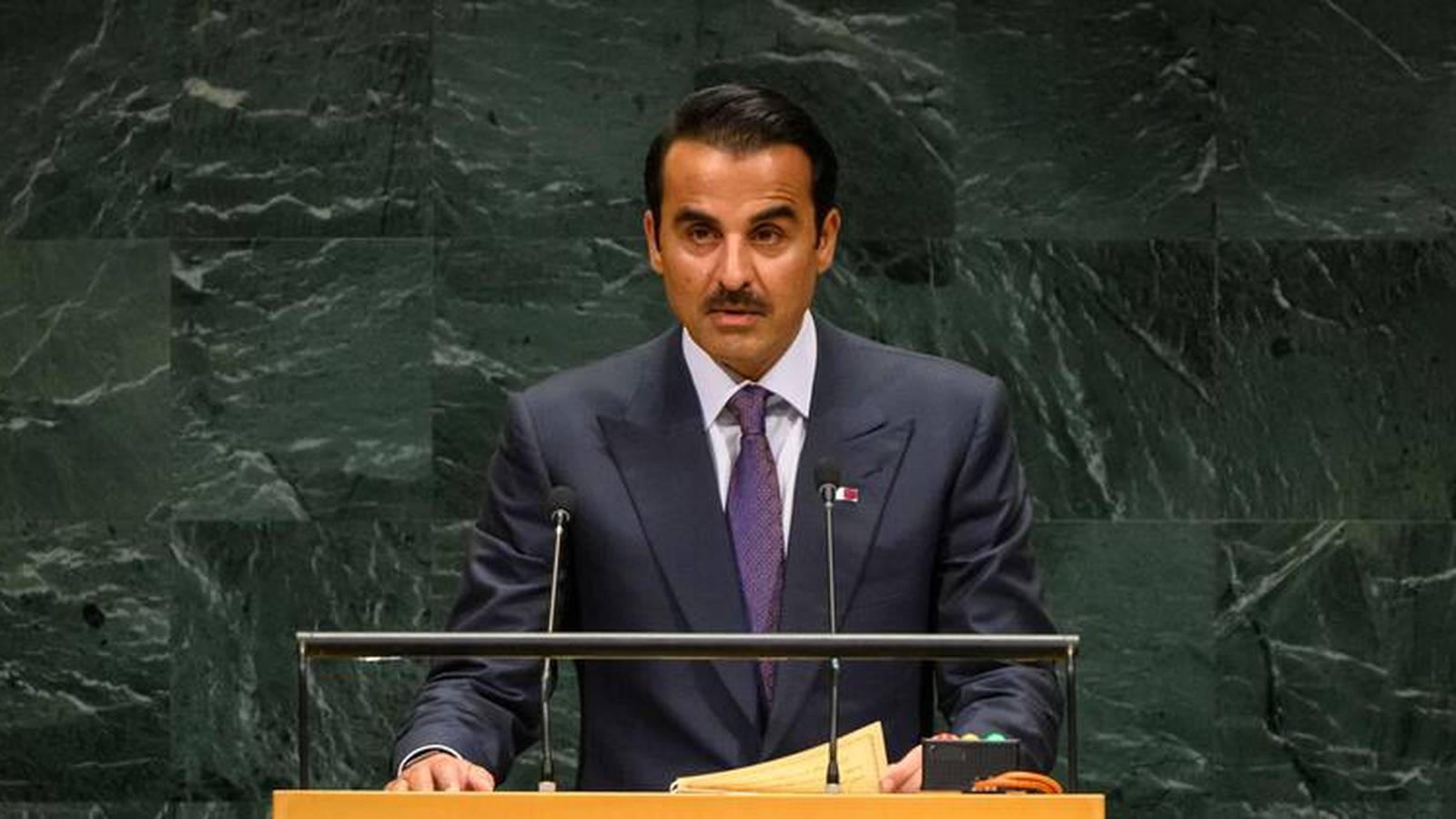
At the 2026 United Nations General Assembly (UNGA) in New York, Qatar’s Emir Sheikh Tamim bin Hamad Al Thani warned that the Gulf region is navigating its most dangerous phase in recent history due to the ongoing US-Israel war on Iran. Addressing the assembly on Tuesday, the Emir advocated for the urgent establishment of a regional collective security system, arguing that the absence of such a framework has fueled the current crisis, as reported by UN News.
The Emir’s address centered on the necessity of reopening the Strait of Hormuz to maritime traffic to prevent further economic and energy instability. The conflict, which escalated significantly following military actions on February 28, has disrupted key energy routes, leading the Emir to describe the current state of affairs as a direct result of long-term diplomatic stagnation. According to The New Arab, Sheikh Tamim emphasized that the path to a peaceful solution must not be ignored, stating that the current maritime tensions threaten the prosperity of the entire region.
Diplomatic Fronts and Humanitarian Concerns
Beyond the immediate Gulf crisis, Sheikh Tamim addressed broader regional conflicts, including the situation in Gaza, which he characterized as a “genocide in every sense of the word.” He argued that international talk of a just order remains hollow as long as the Palestinian issue is treated as a “blind spot.” His remarks were delivered on the same day as US President Donald Trump’s address, where the latter reiterated threats toward Iran, suggesting the potential for total military action while simultaneously hinting at post-midterm election diplomatic possibilities, as noted by Al Jazeera.
On the sidelines of the assembly, Qatar’s diplomatic efforts were multifaceted. President Recep Tayyip Erdogan of Turkiye met with the Qatari Emir to discuss energy supply security. Turkish Energy Minister Alparslan Bayraktar confirmed that the discussions focused on diversifying energy routes and mutual investments, signaling a tightening of energy-security cooperation between Doha and Ankara.
Institutional Positioning
Sheikh Tamim also utilized the UN platform to reiterate support for state institutions in Syria, Sudan, and Lebanon. Regarding Lebanon, he condemned Israeli military actions and stressed the importance of upholding United Nations Security Council Resolution 1701. The Qatari position reflects a strategy of leveraging diplomatic neutrality to mediate between conflicting regional actors, though the Emir’s blunt criticism of the current international order highlights growing frustration with the efficacy of existing global governance mechanisms.
As the UNGA sessions continue, the divide between the US-led coalition—focused on anti-cartel initiatives and military pressure on Iran—and the regional powers calling for a de-escalation of maritime and territorial conflicts remains stark. The immediate challenge for Doha will be maintaining its role as a bridge-builder while the Strait of Hormuz remains a central point of contention for global energy markets.