


A Pivotal Transition for RFK Racing
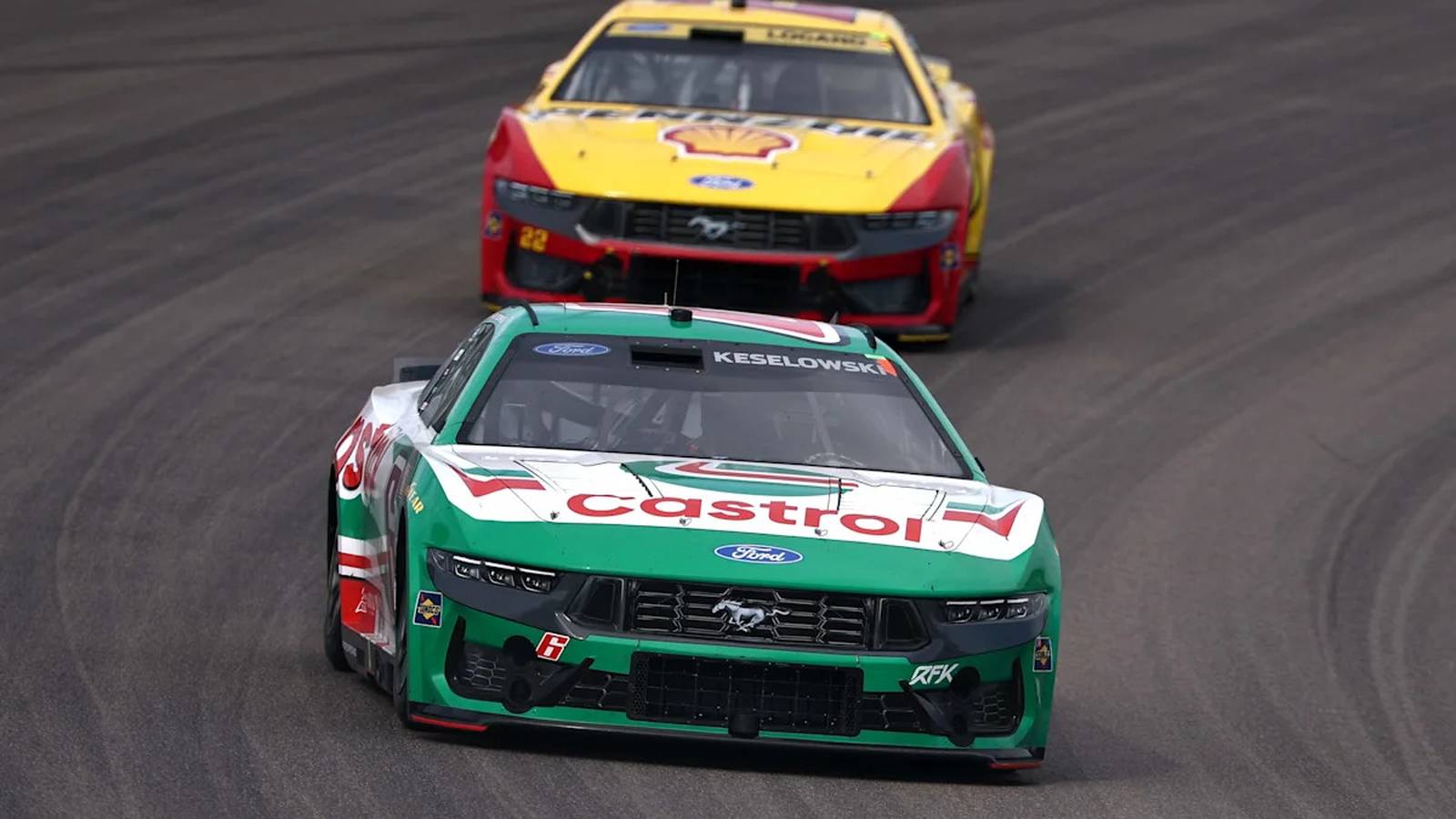
RFK Racing is entering a period of significant organizational and competitive realignment as the team prepares for the 2027 NASCAR Cup Series season. Following the announcement that 2012 Cup Series champion and co-owner Brad Keselowski will depart at the conclusion of the 2026 campaign, the organization is navigating a complex search for a new driver to pilot the flagship No. 6 Ford. This departure marks the end of a transformative era for the team, which rebranded as Roush Fenway Keselowski Racing in 2021 when Keselowski joined as both a driver and a minority owner.
The split, confirmed by team president Chip Bowers, stems from a strategic divergence regarding the veteran driver’s role. While RFK Racing sought to shift Keselowski’s focus toward long-term competition leadership and organizational management, the driver expressed a clear desire to remain in the cockpit on a full-time basis, as reported by Heavy. The team is now tasked with replacing not only a championship-caliber driver but also a key figure in its competition department, while simultaneously navigating the nuances of his outgoing ownership stake.
Emerging Candidates and Global Speculation
In the absence of an official shortlist, speculation regarding the No. 6 seat has intensified. NASCAR spotter Freddie Kraft recently fueled rumors on the Door Bumper Clear podcast, noting that he has repeatedly heard the name of an Australian Supercars driver linked to the vacancy. While Kraft did not identify the individual, the suggestion has drawn immediate attention to drivers with previous NASCAR experience, including Cam Waters and Brodie Kostecki, according to Yahoo Sports.
Cam Waters, who drove for RFK Racing’s Stage 60 program at Sonoma Raceway in 2024, has been identified as a strong candidate given his existing rapport with the team. Similarly, Brodie Kostecki, who has competed for Richard Childress Racing in the Cup Series, represents a driver with established familiarity with the NASCAR landscape. While Broc Feeney has also been mentioned in industry circles as a potential prospect, no formal link has been established by the team. RFK Racing has engaged CAA Sports to assist in the broader driver search, signaling a rigorous approach to a selection process that could define the team’s competitive trajectory for the coming years.
Operational Stakes and Charter Uncertainty
Beyond the driver search, the organization faces fundamental questions regarding its grid footprint. RFK Racing intends to maintain a three-car operation in 2027, with Chris Buescher and Ryan Preece expected to anchor the lineup. However, the team currently holds only two charters. Securing a third remains a primary objective; failing to do so would force one of the entries to compete as an open car, which carries significant financial and competitive implications. The search for a new head of competition further complicates the team’s off-season agenda, as they look to replace the institutional knowledge Keselowski provided.
For his part, Keselowski has signaled that he is not necessarily retiring from the sport. He has publicly stated that he plans to consider his options over the next 60 days, leaving open the possibility of returning to an ownership role or pursuing a new driving opportunity. As noted by Heavy, industry insiders suggest that Keselowski’s preference for organizational control may influence his next move, though no firm plans have been announced. As the 2026 season concludes, the focus remains on whether RFK can successfully bridge the gap between its current identity and the post-Keselowski future.