


Stricter federal and state rules for the Supplemental Nutrition Assistance Program (SNAP) have reduced the number of Texas students eligible for free school lunches, with thirty campuses in San Antonio’s North East Independent School District losing access to the free meal initiative, local station KSAT reported.
The loss of universal free meal coverage on affected campuses has forced area families to adjust their household food budgets as the academic term gets underway. In response, local nutrition advocates are stepping in to help parents manage rising grocery expenses while maintaining dietary standards for children.
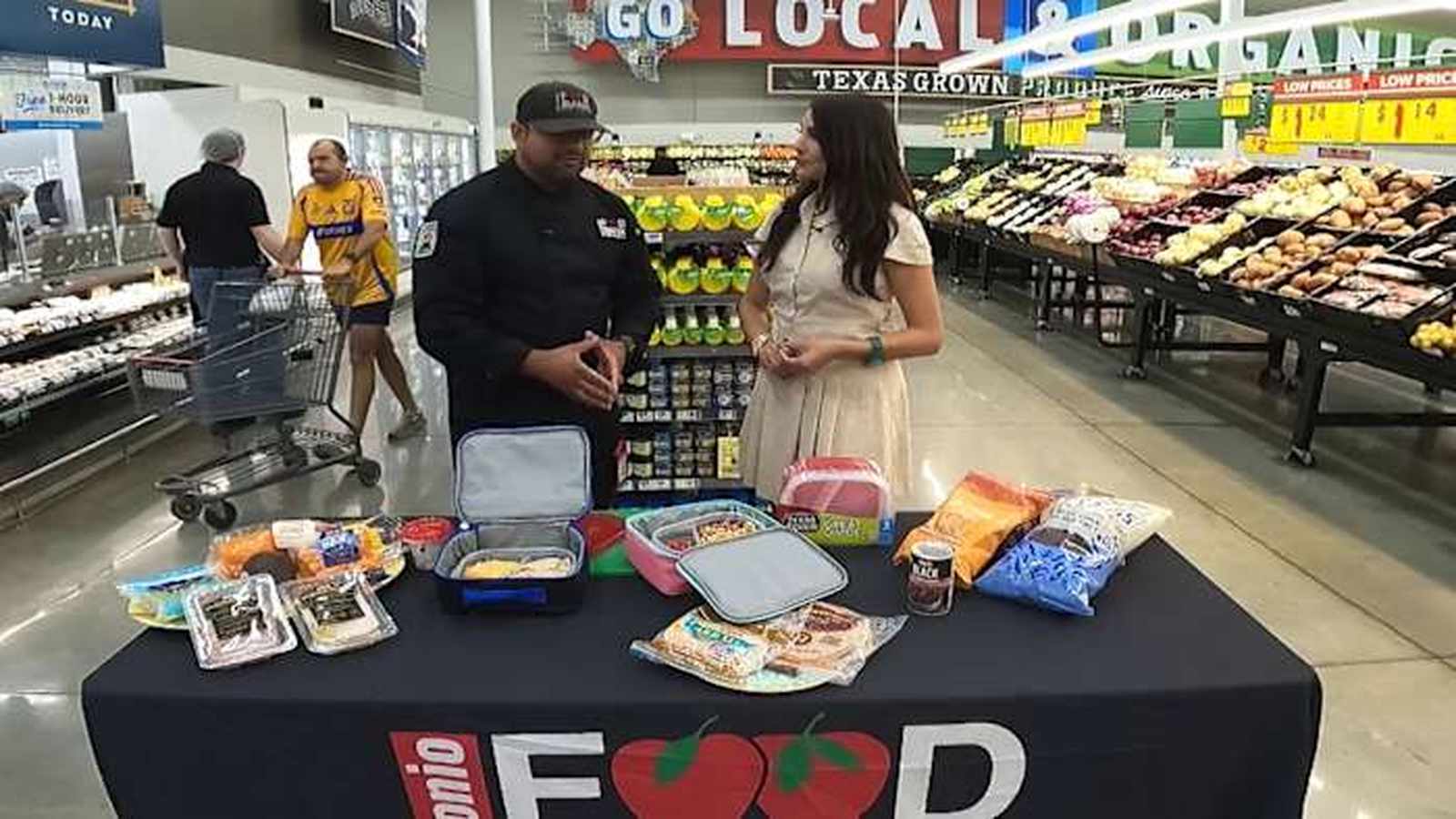
Luis Ricardo Crompton, a nutrition education coordinator with the San Antonio Food Bank’s Culinary Health Education for Families program, emphasized that preparing low-cost lunches at home does not require sacrificing nutritional value. Crompton demonstrated several accessible recipes using affordable store-brand staples, such as those from regional grocer H-E-B, to keep meal costs minimal.
Key recommendations include utilizing plant-based proteins like three-bean salads and preparing vegetable turkey wraps using low-sodium ingredients. According to Crompton’s estimates, basic lunch components—including tortillas priced at $2 to $3 and fresh vegetables like carrots and celery at $1 to $1.50—offer substantial savings compared to pre-packaged items. He also highlighted homemade items, such as hummus and an avocado-banana chocolate mousse costing roughly $2 to $3 to prepare, as practical alternatives for families managing tighter budgets following the policy shift.